First Colombia-Venezuela summit since Maduro’s ouster
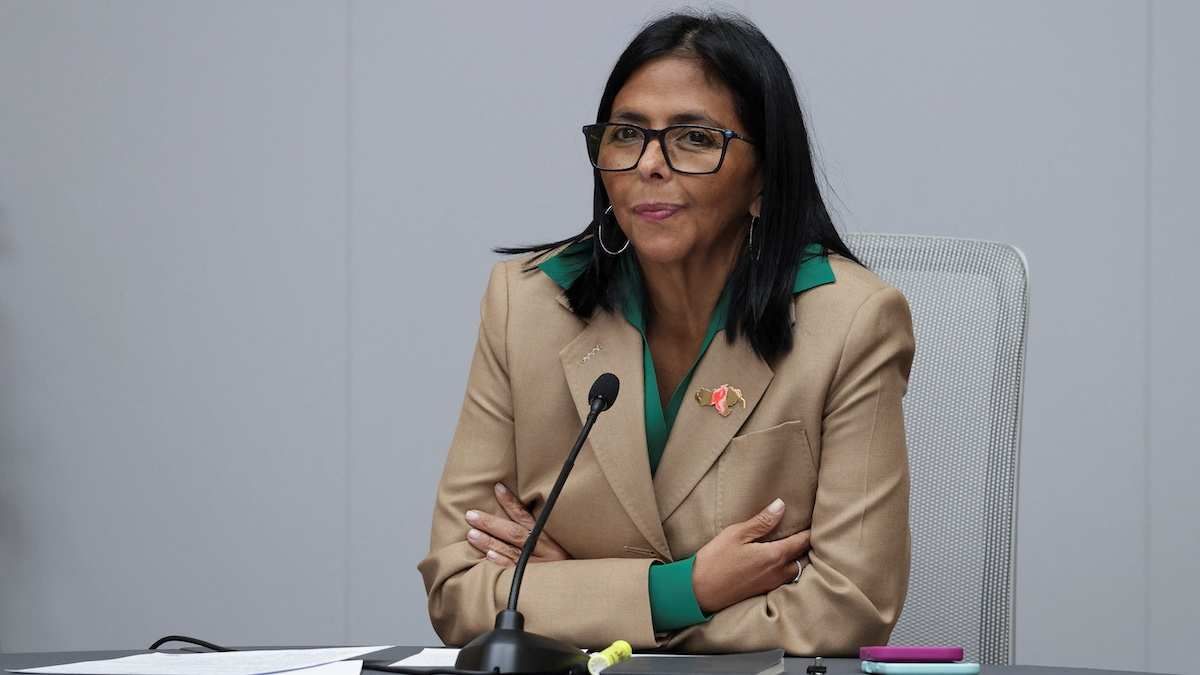
Colombian President Gustavo Petro meets in Caracas today with Venezuela’s acting President Delcy Rodríguez, their first encounter since the US deposed Rodríguez’s former boss, Nicolás Maduro, and effectively installed Rodríguez as a viceroy. Petro, a left-winger who has clashed repeatedly with US President Donald Trump despite Bogotá’s close ties to the US, sharply criticized that operation. Top on the agenda is security: Petro wants more Venezuelan help to rein in guerrilla and drug groups operating along the long, porous Colombian-Venezuelan border. Rights groups have accused Caracas of supporting some of those organizations in the past. Bogotá and Caracas have a history of close relations, with millions of people holding dual citizenship. Some 3 million Venezuelan refugees currently live in Colombia, more than in any other country.
Iran says Pakistan talks are back on – but will they even matter?
Iran’s Foreign Minister Abbas Araghchi is reportedly planning to fly to Islamabad today for a second round of talks with the Americans. There are a few hurdles that Araghchi, who has long been the international face of the Islamic Republic, will need to climb. First, it’s not yet clear whether the US has agreed to these talks – US Vice President JD Vance had been scheduled to fly to Pakistan this week, but postponed his trip. The US plans to maintain its blockade, even though Iran has said that ending it is a key condition for discussions. Finally, with the Islamic Revolutionary Guard Corps consolidating its power in the wake of Ali Khamenei’s killing, Araghchi’s own position within the Islamic Republic appears to be weaker, according to the New York Times. If Araghchi did reach a deal with the US, would the IRGC commanders even listen?
Is the US about to hand Argentina a major piece of good news?
Mention the Falkland Islands, or “Islas Malvinas,” to an Argentinian, and the response will likely be loud and clear: they belong to Argentina, even though the United Kingdom has de facto control over these Atlantic Ocean territories that are thousands of miles from its borders. Virtually every Argentine president, Javier Mileiincluded, has laid claim to the islands. Argentina even invaded the territory in 1982, but British forces – with US help – batted them away during a 10-week campaign. Now, a Reuters report says that Washington is considering changing its stance on the islands, which sit next to large oil deposits, as punishment for their refusal to help with the Iran war. The US currently recognizes that the UK essentially controls the islands, and the UK government – which is going through its own internal crisis right now – would very much like to keep it that way.