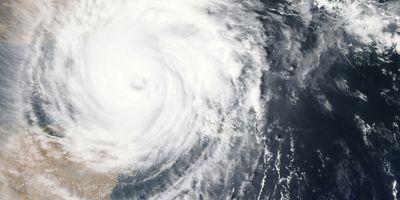
Artificial intelligence models are getting better at predicting the paths of hurricanes.
Earlier this year, a model called GraphCast from Google’s DeepMind AI lab was able to accurately predict the path of Hurricane Beryl, forecasting that it’d take a turn away from Mexico and hit Texas. That prediction was correct — and came a week earlier than conventional meteorological models. Meanwhile, the European Centre for Medium-Range Weather Forecasts’ own AI model correctly predicted that Hurricane Francine would hit Louisiana before traditional models. These models can process large amounts of historical data to make their forecasts, while other models such as Nvidia’s FourCastNet work by modeling the entire Earth.
Still, while AI weather models appear good at tracking the direction of hurricanes, they struggle with determining other factors such as the intensity of the storms. So, at least in the near term, these models will work alongside human modelers rather than replace them.
More For You
Algerians are headed to the polls today to elect their next members of parliament. However, hopes for true democracy look more remote than ever.
Most Popular
In addition to the health concerns from the Ebola outbreak, the UN is sounding the alarm on a potential development crisis in Africa sparked by the disease.
The protests in the small Balkan country were touched off by the start of construction on a seaside luxury resort linked to US President Donald Trump’s son-in-law, Jared Kushner.