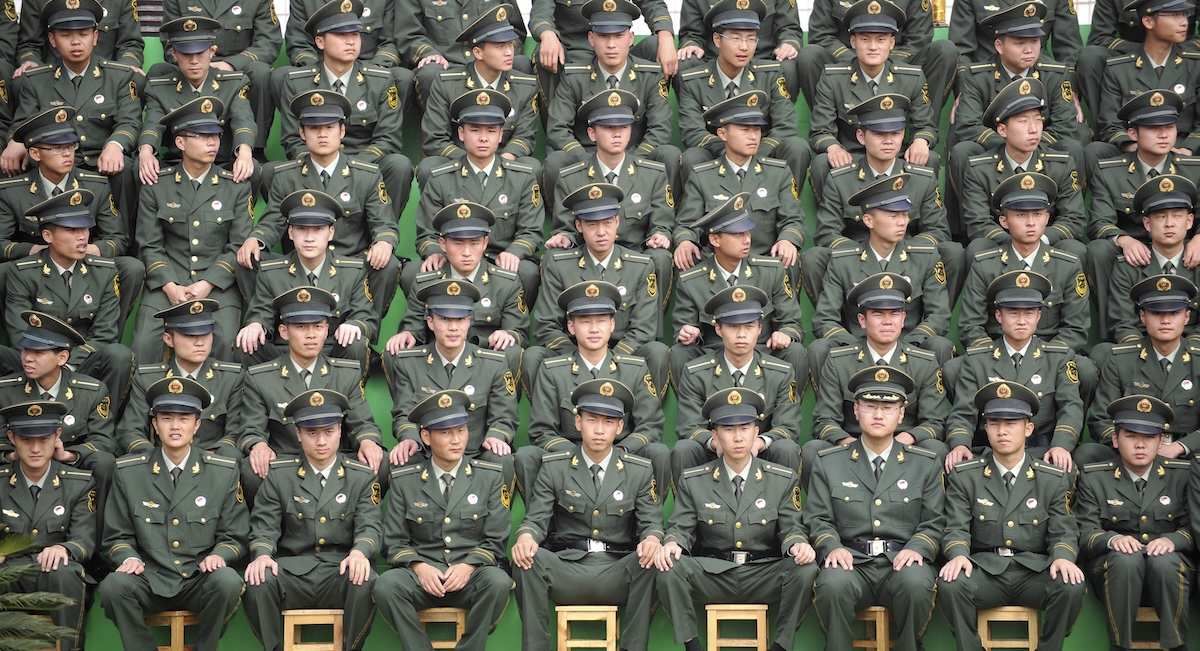
China wants the Iran conflict to end – but could it still benefit?
Given that China is the world’s top oil importer, and oil prices continued to surge this week as energy facilities in the Middle East were struck, it’s no surprise that Beijing again called for an end to the Iran conflict on Friday. That doesn’t mean that the CCP won’t gain anything from this war. First, the US is draining its military resources and shifting some air defense systems away from South Korea – which is near China. What’s more, Iran’s closure of the Strait of Hormuz could provide Beijing with a preview of what would happen if it blocks Taiwan in the future. “China is learning how Taiwan is responding to a potential energy shortage,” said Eurasia Group’s regional expert Ava Shen. “And the closure of the Strait of Hormuz really highlights Taiwan’s energy vulnerability.”
Slovenia isn’t the main character of its own election
The 1.7 million registered voters of Slovenia, a small country in the Balkans, will head to the polls this Sunday for the parliamentary elections. However, the contest is as much about other countries as it is about Slovenia. Liberal Prime Minister Robert Golob argues that former PM Janez Janša, a right-wing populist who is Golob’smain challenger, poses a threat to the European Union – he would potentially side with Hungarian PM Viktor Orbán amid his standoff with the bloc. Janša, meanwhile, depicts the incumbent as corrupt, citing recordings allegedly obtained and released by a private Israeli intelligence firm that appear to show leading Slovenian officials discussing illegal lobbying and the misuse of state funds. Golob’s allies say it shows that Janša is collaborating with foreign entities to reclaim power, a claim he denies. The former PM is currently the favorite to win: he leads in polls by a hair.
Ukraine helps its friends, but can it help itself?
Ukraine
dispatched over 200 drone experts this week to help US allies in the Gulf fend off Iranian attacks. Ukraine
says European allies have also requested support to defend their interests in the Middle East. Helping its friends by leveraging its battle-tested knowledge of how to cheaply produce and deploy drones is one thing, but whether Ukraine has anything to gain from this assistance is another. Kyiv could leverage its expertise by brokering agreements that strengthen its defense industry, a strategic move at a time when Russia is benefiting from a revenue boost from the shock to energy prices caused by the Iran war. Ukraine’s assistance may also strengthen its relationship with the US amidst ongoing trilateral peace talks.