
The race to build humanity's future in space, with Chris Hadfield
The race to the Moon is back – but reaching it is only the beginning. Astronaut Chris Hadfield joins Ian Bremmer to explore how cheaper technology, private industry, and growing US-China competition are transforming humanity’s ambitions in space – from permanent lunar settlements to eventually putting people on Mars.
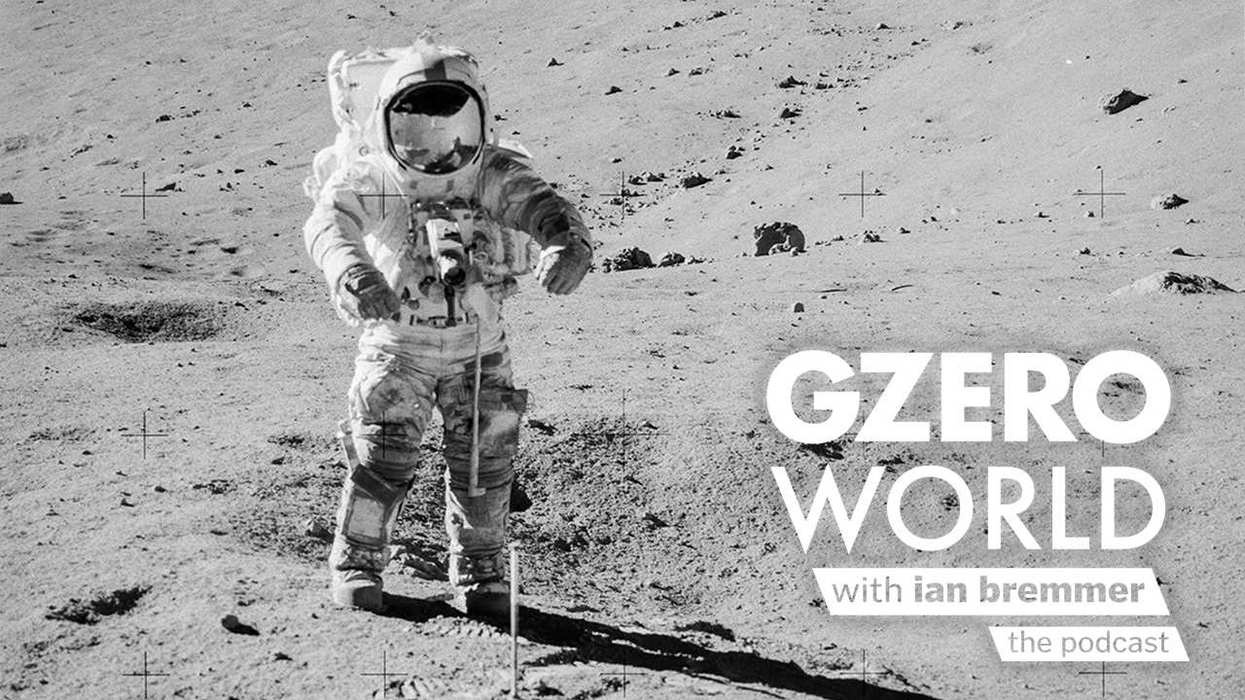
More than half a century after humans last walked on the Moon, the next era of space exploration is taking shape. Getting there is cheaper, private companies are playing a much bigger role, and discoveries like vast reserves of lunar water have made the prospect of establishing a permanent presence on the Moon far more realistic.
Ian Bremmer sits down with Canadian astronaut Chris Hadfield to talk about what this new space age could look like. They discuss the growing competition between the US and China, whether rivals can cooperate on the lunar surface, and who gets to write the rules as governments and companies begin looking beyond simply planting a flag.
Hadfield also breaks down the practical challenges of living on the Moon – from powering a settlement through long lunar nights to the unanswered question of whether humans can develop normally in low gravity. He explains how private companies are turning space into a commercial marketplace, why regulation will inevitably struggle to keep pace, and why robots alone can never satisfy humanity’s drive to explore Mars.
And drawing on nearly six months aboard the International Space Station, Hadfield reflects on the surprisingly wonderful experience of sleeping in zero gravity, circling Earth 2,600 times, and how seeing the planet from above fundamentally changed his perspective on humanity and our place in the universe.