What We're Watching
EU eases sanctions on Syria
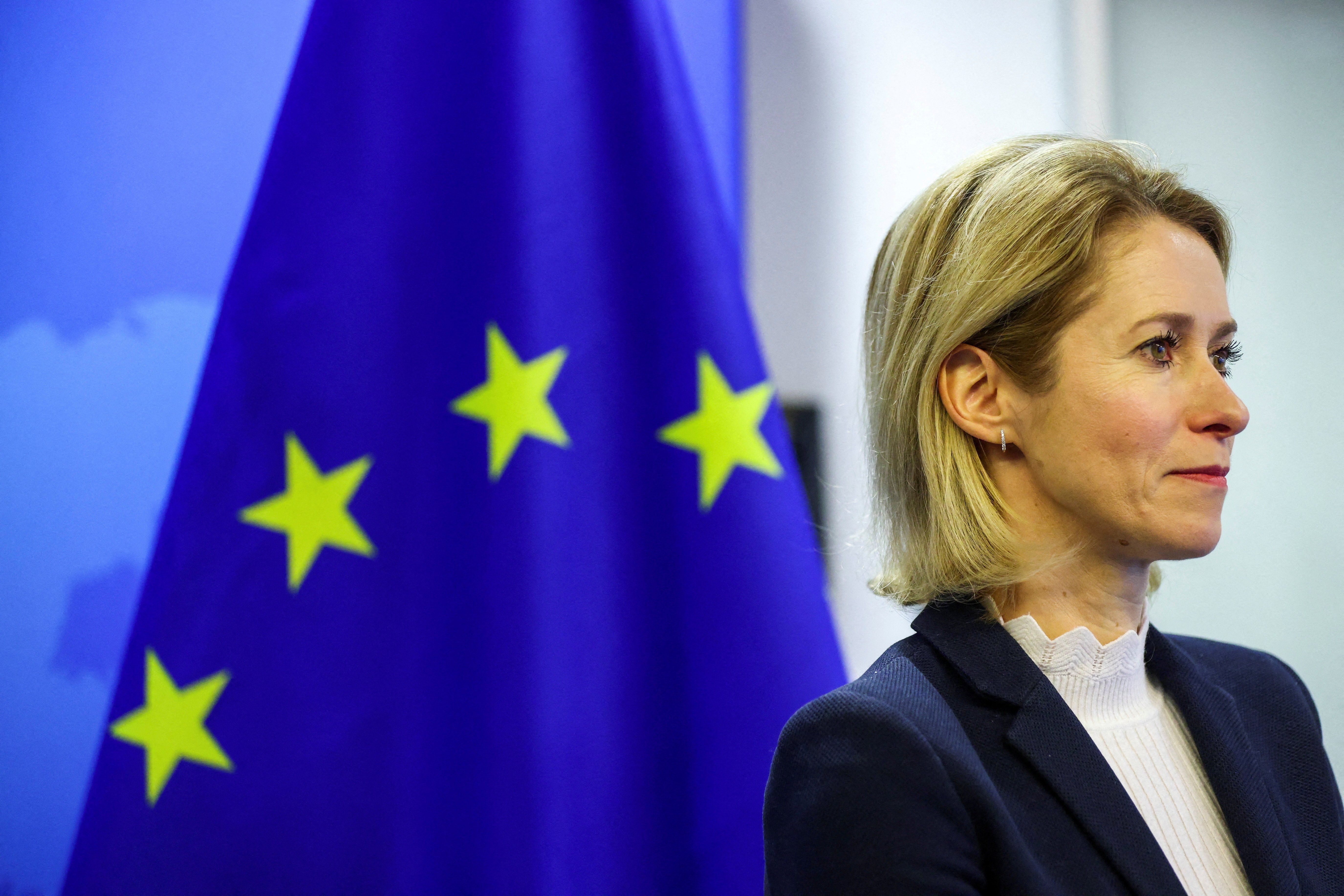
EU High Representative for Foreign Affairs and Security Policy Kaja Kallas.
REUTERS/Johanna Geron/File Photo
The European Union agreed on Monday tostart easing sanctions on Syria in light of the ousting of President Bashar Assad in December. At a meeting of European ministers in Brussels, Kaja Kallas, EU High Representative for Foreign Affairs, announced a gradual lifting of sanctions, starting in areas key to reconstruction, such as energy, transport, and financial services.
Kallas emphasized that the decisioncould be reversed, however, if “wrong steps are taken” – code for backsliding on human rights. And sanctions willnot be lifted against Syria’s new rulers, members of Islamic militant group Hayat Tahrir al-Sham, or HTS. According to Dutch Foreign minister Caspar Veldkamp, “They’re the new ones in power. We want to see how their words are translated into actions.”
Could other countries follow suit? All eyes are now on the US, which designated Syria a terrorist entityin 1979 and joined the EU in imposing strict sanctions against the Assad regime in 2011. In early January, the US Treasury issueda six-month general license, which authorized some energy transactions and humanitarian aid butdid not lift sanctions.
Trump has not specifically pronounced himself on Syrian sanctions, but based on the record of his first administration, observers believe thatsanctions will continue to be used against threat actors such as Iran – suggesting that HTS should distance itself from Tehran if it wants them lifted by Washington.From shopping to services, consumer spending is showing strength across categories. Holiday shopping got an early start, and it’s not just higher earners filling their carts. Bank of America Institute sees continued spending growth recovery for lower- and middle-income households. See what’s driving the trends.
Garment workers in Bangladesh have taken to the streets over the past week, demanding higher wages and forcing more than 600 factories to shut down nationwide.
As AI creates new opportunities, the people who understand a community best play an important role in determining how those opportunities take shape. Across the US, Microsoft is supporting AI literacy classes as part of a new program developed in collaboration with the Public Library Association, working through trusted local institutions to help people build practical AI skills. By pairing new technology with local knowledge, the initiative is helping communities explore how AI can support their needs and open new possibilities, while putting local leaders and organizations at the center of that work. Read the full story here.
We’re breaking down the three main issues that could help decide tomorrow’s elections: the cost of living, Israel, and AI.