Hard Numbers

Hard Numbers: Trump administration lowers refugee limit, 6,7 enshrined in the dictionary, Jamaica’s preparedness paid off in Hurricane Melissa
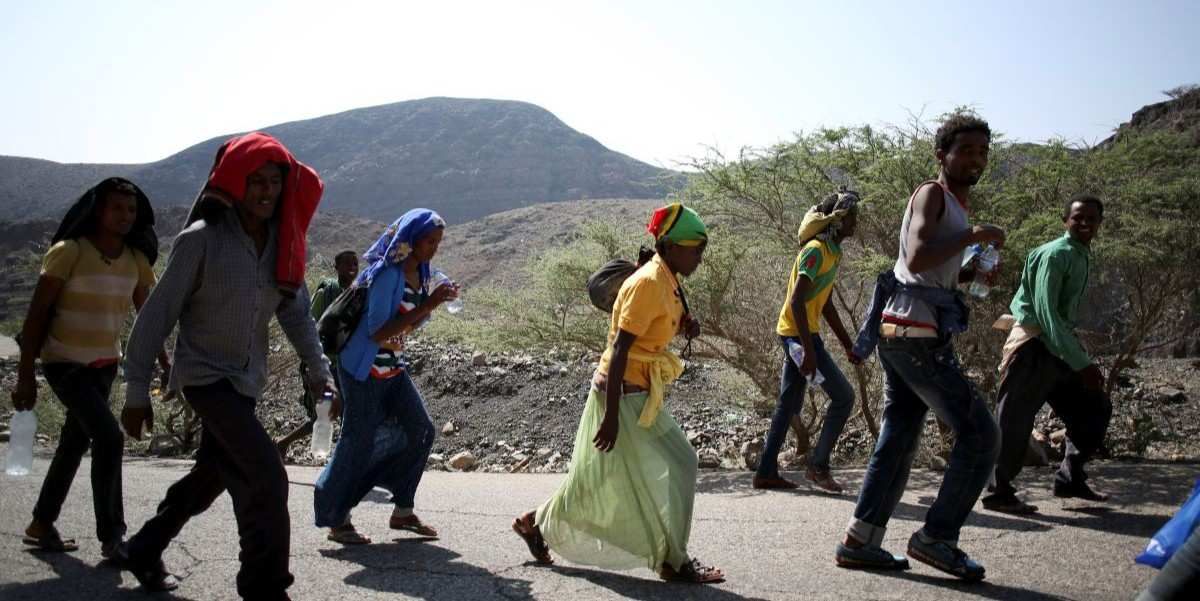
​Illegal immigrants from Ethiopia walk on a road near the town of Taojourah February 23, 2015. The area, described by the United Nations High Commissioner for Refugees (UNHCR) as one of the most inhospitable areas in the world, is on a transit route for thousands of immigrants every year from Ethiopia, Eritrea and Somalia travelling via Yemen to Saudi Arabia in hope of work. Picture taken February 23.
Illegal immigrants from Ethiopia walk on a road near the town of Taojourah February 23, 2015. The area, described by the United Nations High Commissioner for Refugees (UNHCR) as one of the most inhospitable areas in the world, is on a transit route for thousands of immigrants every year from Ethiopia, Eritrea and Somalia travelling via Yemen to Saudi Arabia in hope of work. Picture taken February 23.
REUTERS/Goran Tomasevic

7,500: The Trump administration will cap the number of refugees that the US will admit over the next year to 7,500. The previous limit, set by former President Joe Biden, was 125,000. The new cap is a record low. White South Africans will have priority access.

6,7: Nobody knows what it means, but every kid says it and every parent can’t stand it. Now it’s Dictionary.com’s “word” of the year.

820 million: Hurricane Melissa devastated Jamaica’s farms, homes, and infrastructure — but the country’s robust disaster preparedness saved lives and limited chaos. While the rebuilding will take time, the government prepared for the disaster for years within a multilayered financial safety net that swiftly unlocked $820 million in emergency funds, insurance, and loans to aid recovery.

More For You

Saudi Crown Prince Mohammed bin Salman receives UAE President Mohammed bin Zayed Al Nahyan, in Saudi Arabia, on September 3, 2025.
IMAGO/APAimages via Reuters Connect

To understand the deepening rift between the UAE and Saudi Arabia, following the UAE's exit from OPEC, GZERO spoke with Gulf expert Firas Maksad. He breaks down the tensions between Abu Dhabi and Riyadh and what "OPEC-xit" means for the region.

The President of Argentina, Javier Milei (bottom left), gestures in response to comments from deputies, alongside Secretary of the Presidency Karina Milei (bottom right), Minister of Human Capital Sandra Petovello (top left), and Minister of Economy Luis Caputo (top right), during the Chief of Cabinet's management report session in Congress. (in Buenos Aires, Argentina on April 29, 2026).
Silvana Safenreiter/NurPhoto

Right-wing leaders have been consolidating power across Latin America, driven by voter frustration with rising organized crime. However, with another batch of elections coming this year and next, the right's winning streak could be under threat.