What We're Watching
Justice in UK Post Office scandal comes too late
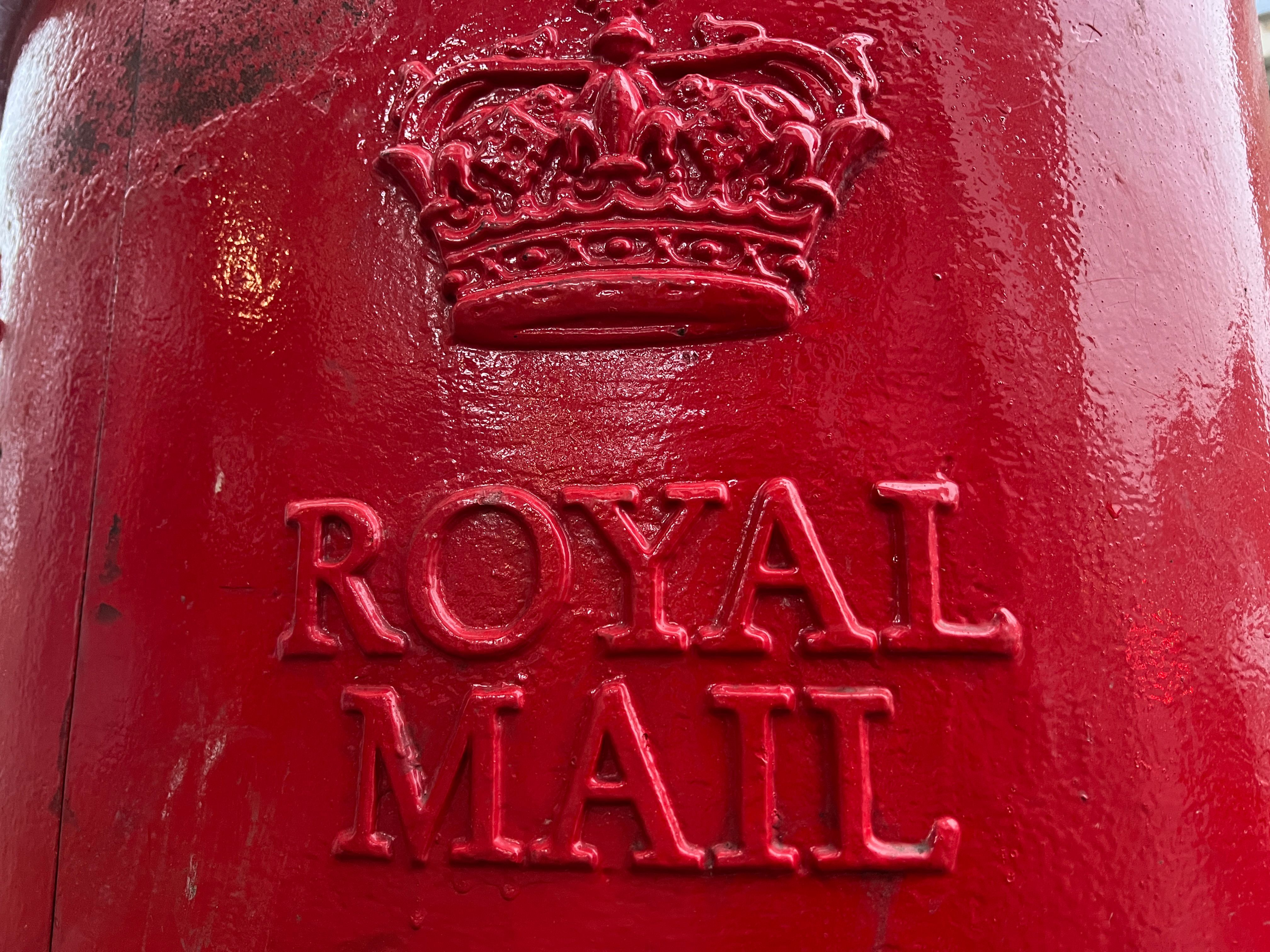
A Post Office branch in Edinburgh, Scotland, United Kingdom, on Wednesday Jan 19, 2023.
(James Hill/EYEPRESS)
Between 1999 and 2015, 3,500 postal workers in the UK were accused of theft, fraud, and false accounting. Forced to repay the money, they fell into bankruptcy and financial ruin. For many, the convictions resulted in prison sentences, addiction, and even suicide.
They were all innocent.
In reality, the Post Office was using financial software that had a habit of misreporting substantial sums of money. Although the truth was discovered in 2010, the Post Office continued to relentlessly pursue and prosecute postal workers until 2019, when a group of 500 of them won their case in the High Court. To date, only 93 of the estimated 700 wrongful convictions have been overturned.
It took until Wednesday for Prime Minister Rishi Sunak to offer a blanket acquittal to the wrongly accused – one that will take effect by the end of the year. Why now? Sunak was likely responding to a new TV drama about the scandal, which is spurring public outrage at the PM, who gave the Japanese company behind the faulty software billions of pounds of contracts after they were known to be responsible for the accounting errors.
Brits didn’t need another reason to be mad at Sunak. His Conservative Party is already polling terribly because of a poor economy and nationwide feeling of general dysfunction.
According to Eurasia Group’s Mujtaba Rahman, “the narrow path to victory doesn’t exist anymore for Sunak.” Even if he manages to delay the election until November, Rahman expects the Labour Party to win the majority.
When eager minds need a weekend pass to an unforgettable museum, we are there. Learn more.
America used to be the anchor of the global humanitarian system, David Miliband tells Ian Bremmer on GZERO World, but after the US pullback of foreign aid, the world is confronting the consequences of what happens when that anchor is pulled up.
In the Pacific Northwest, acoustic monitoring is helping detect endangered southern resident orcas and alert nearby vessels in real time. By combining underwater sensors, edge computing, and AI, Microsoft and conservation partners are helping ships reduce noise and collision risks in critical feeding areas. The initiative offers a glimpse of how emerging technologies can support biodiversity conservation while balancing environmental and commercial interests. Read the full story here.
In his latest Quick Take, Ian Bremmer asks whether the United States should be pushing countries to choose between American and Chinese technology as the AI race accelerates.