US and allies desperately try to cool frightened oil markets
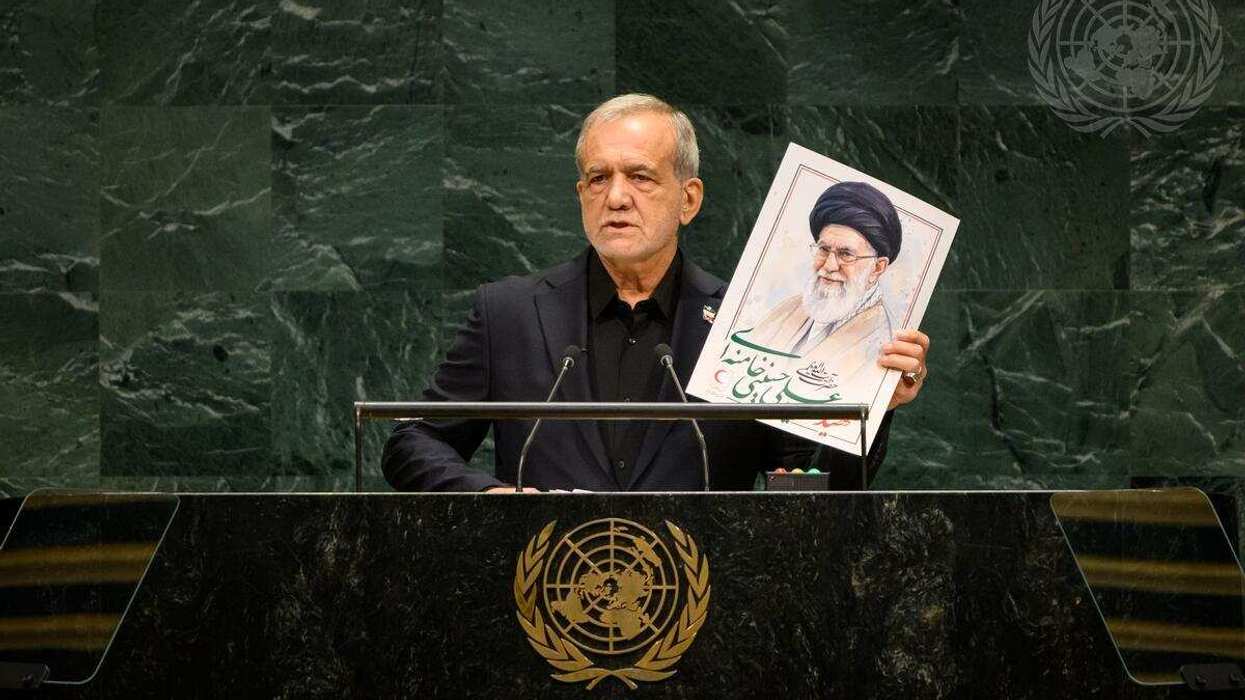
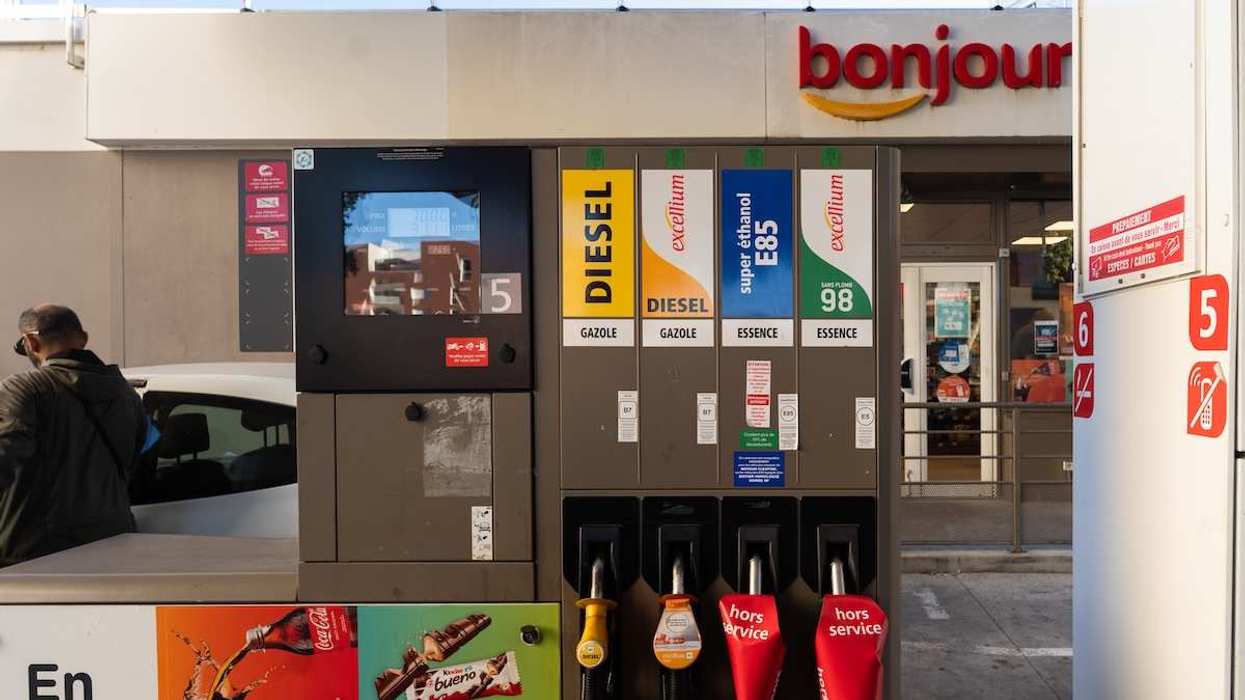
Iran has been upping its threats against the world’s oil supply, striking at least one cargo ship yesterday and reportedly laying mines in the Strait of Hormuz, the waterway near Iran through which 20% of global oil supply passes. Its military command even suggested that the world should prepare for prices of $200 per barrel. Seeking to ease supply concerns and cool prices, the International Energy Agency confirmed on Wednesday that its 32 members – which include the United States – would collectively release 400 million barrels of oil from its strategic reserves. This would be more than double the previous record set in 2022 following Russia’s full-scale invasion of Ukraine. The massive drawdown suggests that these countries believe the Strait will remain mostly closed for a while yet.
Chile to swear in right-wing president in major shift
José Kast, an ultraconservative elected in December on pledges to deregulate the economy, slash immigration, and crack down on crime, takes control today of South America’s fourth-largest economy. The political pendulum swing is a dizzying one — Kast succeeds the tumultuous term of socialist Gabriel Boric — reflecting a broader rightward trend in Latin America these days. But Kast steps into the job at a trying time: Chile, the world’s largest copper producer, faces huge economic uncertainties tied to the war in Iran, which has pushed up oil prices and set inflationary fears soaring. The Chilean peso, which had gained roughly 10% in the last six months prior to the US and Israel strikes on Iran, has already lost half of that momentum since the conflict began.