Depot bombing, Strait of Hormuz constraints send oil prices surging
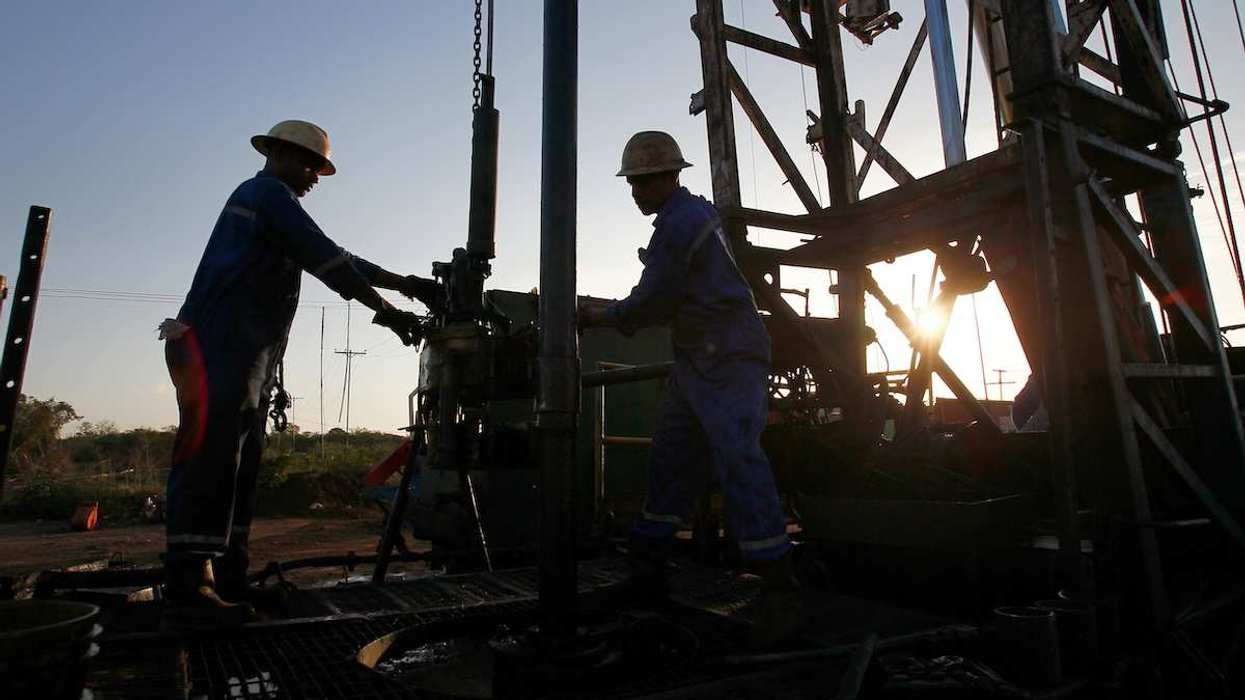
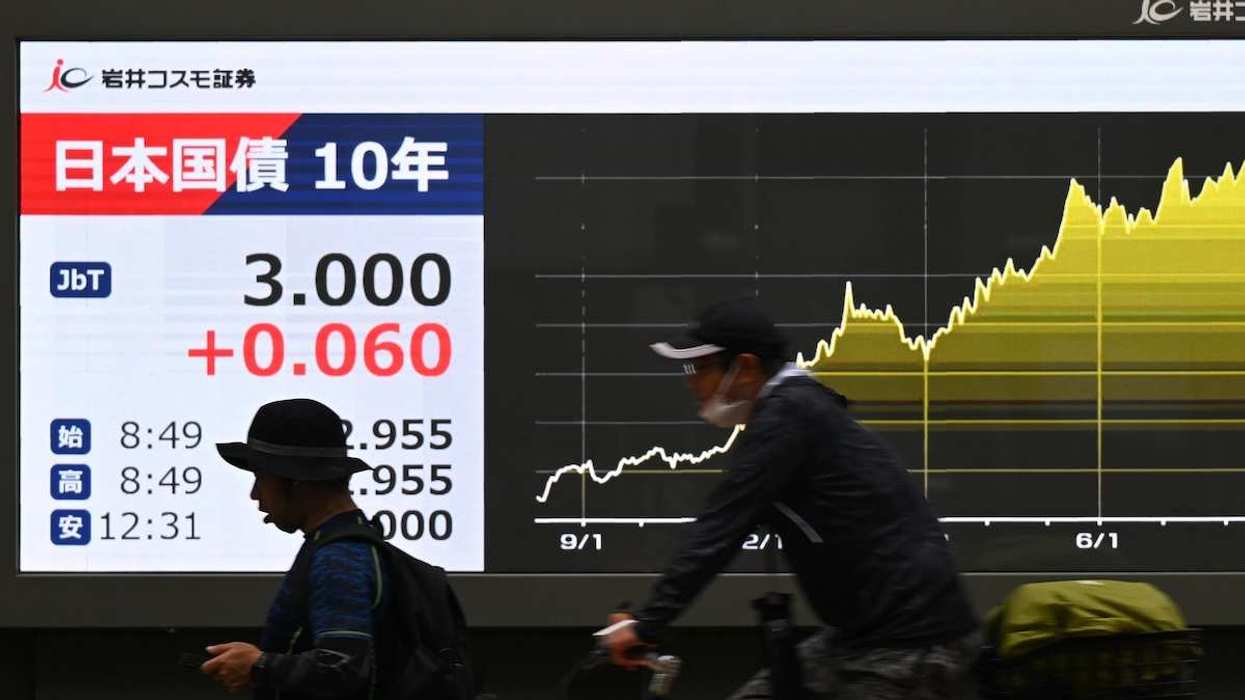
Oil prices skyrocketed above $100 per barrel on Monday – nearly hitting $120 at one point – after Israel bombed fuel depots outside Iran’s capital of Tehran and data showed oil production along the Persian Gulf tanking due to the near-closure of the Strait of Hormuz. US President Donald Trump said last week he was open to having the US Navy escort all fuel tankers through the Strait, through which 20% of the world’s oil supply passes. Analysts believe, though, that this may only have a limited effect. The secondary effects of high crude prices, if they are sustained, will be huge: there could be higher overall inflation (including greater energy and food costs), which itself may prompt the Fed to increase interest rates, likely slowing the economy. As Republicans are in power, this would be a devastating blow to GOP hopes for a successful midterm election in November.
Turkish opposition leader’s trial begins
Suspended Istanbul mayor Ekrem Imamoglu is one of hundreds of defendants on trial, beginning today, for what prosecutors say is a broad network of graft and kickbacks that bilked billions of dollars from the budget of Turkey’s largest city. Critics say the trial is designed to keep Imamoglu from challenging strongman President Recep Erdoğan in the 2028 election. Imamoglu, who represents the Republican People's Party (CHP), Turkey’s largest opposition party, won the Istanbul mayorship in 2019, in a major upset to Erdoğan, himself a former mayor of the city. Imamoglu was arrested last year, just days after announcing his intention to run for president. How serious is the national government about keeping him out of public life? If convicted, he could face more than 2,000 years in prison. Yes, you read that right, two thousand.
Green wave in the heartland of Germany’s auto industry
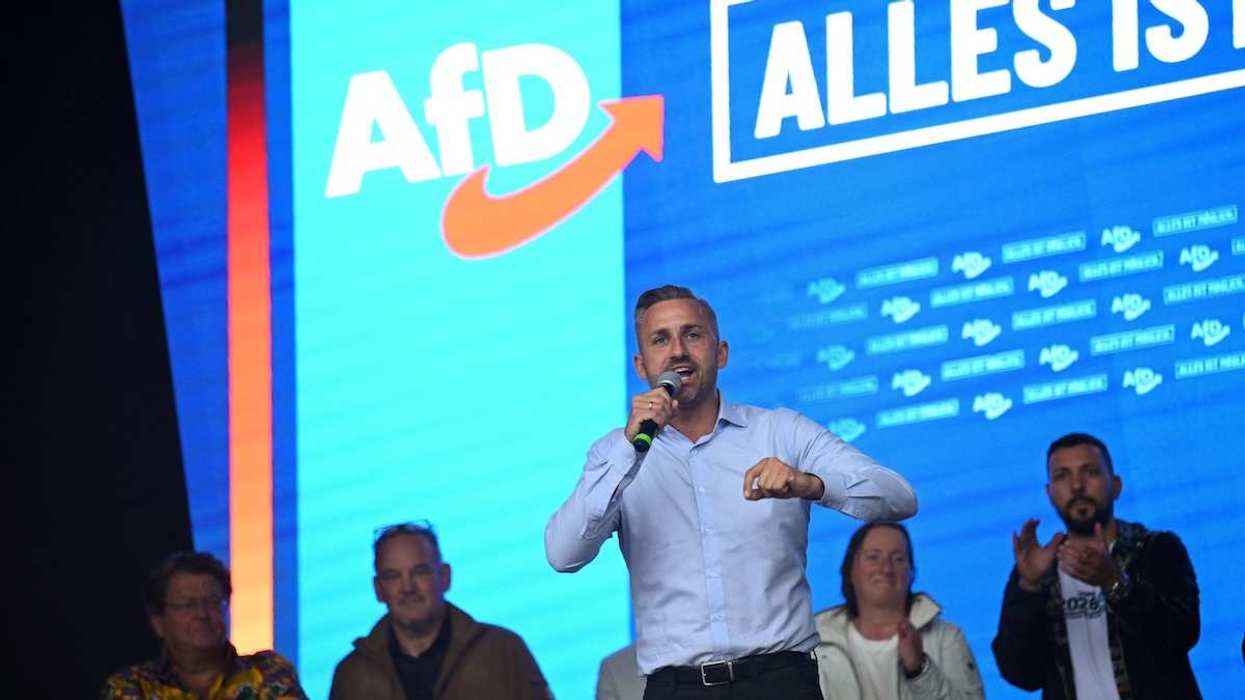
Germany's center-left Greens pulled off a surprise win in Baden-Württemberg on Sunday, with former agricultural minister Cem Özdemir coming out on top in the industrial, business-minded state. It's a significant upset for Prime Minister Friedrich Merz’s center-right Christian Democrat Union (CDU): the state is a traditional stronghold. It's also the beating heart of Germany’s auto industry – with Mercedes-Benz and Porsche based there. The result reflects growing anxiety over Chinese electric vehicles competition hollowing out Germany's auto sector, giving traction to the Greens' climate agenda and Özdemir's pragmatic, centrist appeal. The far-right Alternative for Germany (AfD) came in a strong third at 18%, nearly doubling its 2021 result. With four more state elections ahead over the next few months, the outcome shows a strong anti-incumbent streak in the electorate that could weaken the current governing coalition.