What We're Watching
Shigeru Ishiba to be Japan’s next prime minister
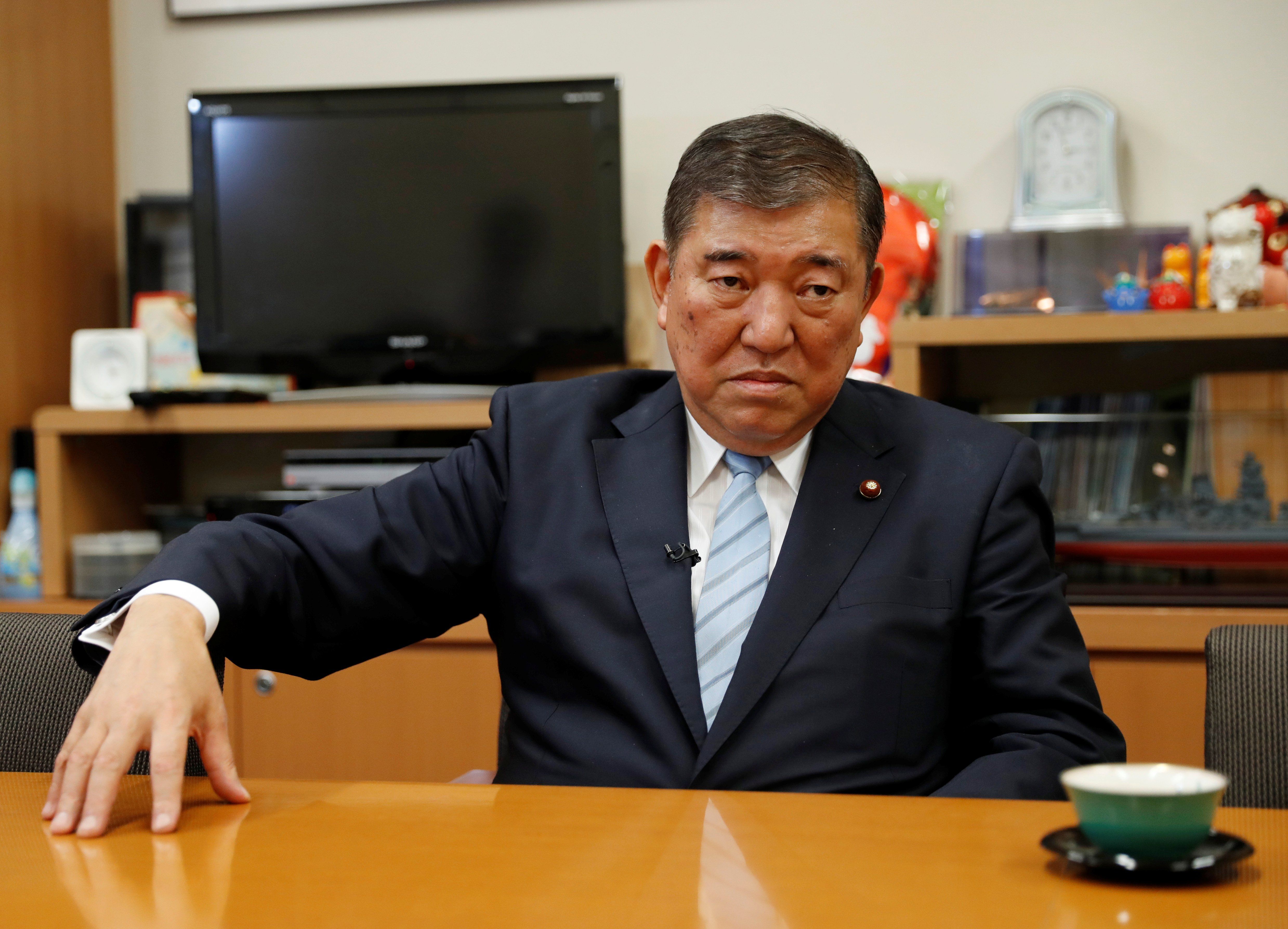
Japan's ruling Liberal Democratic Party lawmaker Shigeru Ishiba speaks during an interview with Reuters at his office in Tokyo, Japan August 31, 2020.
REUTERS/Kim Kyung-Hoon
Japan's ruling Liberal Democratic Party lawmaker Shigeru Ishiba speaks during an interview with Reuters at his office in Tokyo, Japan August 31, 2020.
Shigeru Ishiba has won the leadership election of Japan’s governing Liberal Democratic Party in a tight second-round run-off Friday morning and is set to become the country’s next prime minister.
5th time’s a charm. Ishiba is the former defense minister who has failed four times previously for the top job. He beat the runner-up, Sanae Takaichi, who would have become the first female prime minister if she had won, by a margin of 215-194. The election came after Prime Minister Fumio Kishida announced his decision to resign in August amid a series of corruption scandals within the LDP.
What are his policies? Like all the candidates, Ishiba supports a strong US alliance and Taiwan’s sovereignty, and is hawkish on China – he even supports the creation of an Asian version of NATO.
What’s next: On Tuesday, Kishida and his Cabinet ministers will resign. Ishiba, after being formally elected in a parliamentary vote, will then form a new Cabinet later in the day. We’re expecting him to call general elections before the year is out to try to take advantage of his honeymoon period to grow his power in the Diet.
China has defied Western sanctions for years and buys as much as 90% of Iran’s oil exports.
Think you know what's going on around the world? Here's your chance to prove it.
President Bola Tinubu faces strong headwinds in his bid for a second term.
Critics have said that Zelensky – now in his seventh year in office – has been in power for too long.