GZERO North
Canada challenges US softwood duties
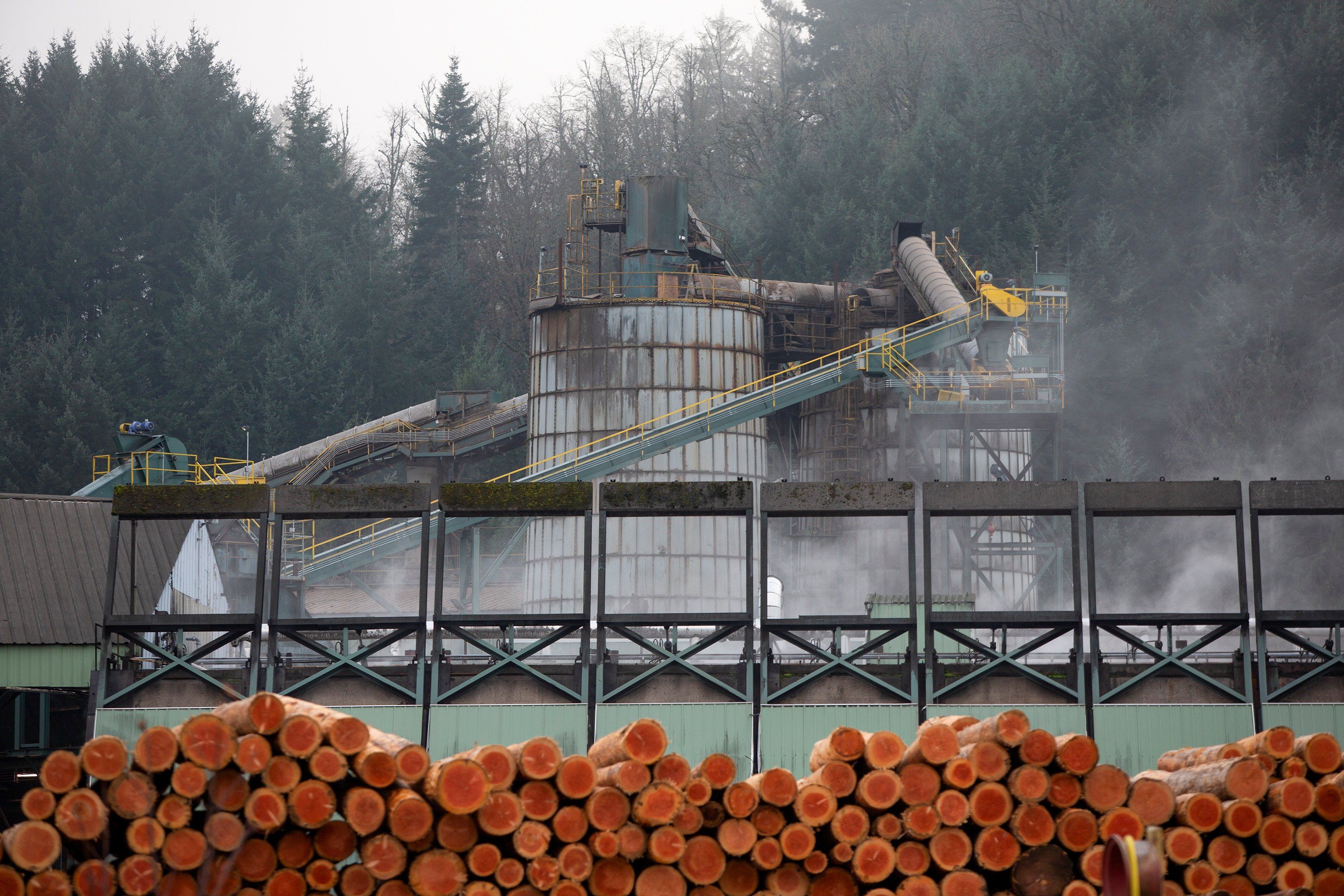
Logs and lumber are stored at one of the Freres Lumber facilities in Lyons, Oregon,
Reuters
Canada has filed for a judicial review of last month's US Commerce Department decision to extend import duties on Canadian softwood lumber tariffs, a nearly 8% fee charged by the US government on imports from Canadian sawmills.
American home builders import about $8 billion worth of Canadian lumber a year. But American lumber producers resent what they see as unfair competition from Canada – they say Ottawa unfairly subsidizes the lumber sector because much of the land is owned by the Canadian government, which charges stumpage fees to lumber producers. In turn, the US producers, most of whom produce on private land, have convinced Washington to impose the duties (and have done so for decades).
The two sides remain at a standoff: Trade Minister Mary Ng said the American duties are “unfair, unjust, and illegal,” while the U.S. Trade Representative's office called for Canada to “address the underlying issues related to subsidization and fair competition.”
The two countries reached an agreement on the matter in 2006, but it expired in 2015, after which the Americans imposed duties that Canada has been challenging ever since – and Canada’s softwood producers reportedly paid more than $8 billion in lumber duties to the U.S. between 2017 and 2022.
Canadian industry leaders urged Trudeau’s government to make a deal with Joe Biden when he traveled to Ottawa in March, but the Canadian side signaled before the meeting that no deal was expected. Since Biden needs to wrangle votes on Capitol Hill from politicians whose constituents are threatened by the Canadian competition, his hands will likely remain tied.
As America celebrates 250 years, Bank of America is proud to honor our shared history. Discover our commitment.
In his latest Quick Take, Ian Bremmer examines the stability of US-China relations and why he believes the period of relative calm between the two countries may be coming to an end.
Netanyahu said Israel won’t pull back from Gaza until Hamas gives up its weapons—a nonstarter for Hamas, which insists it won’t disarm until Israel withdraws first.
Artificial intelligence now contributes to more than half of cybercrime in Africa