GZERO Europe
EU keeps borders open for Russians but tightens visa rules
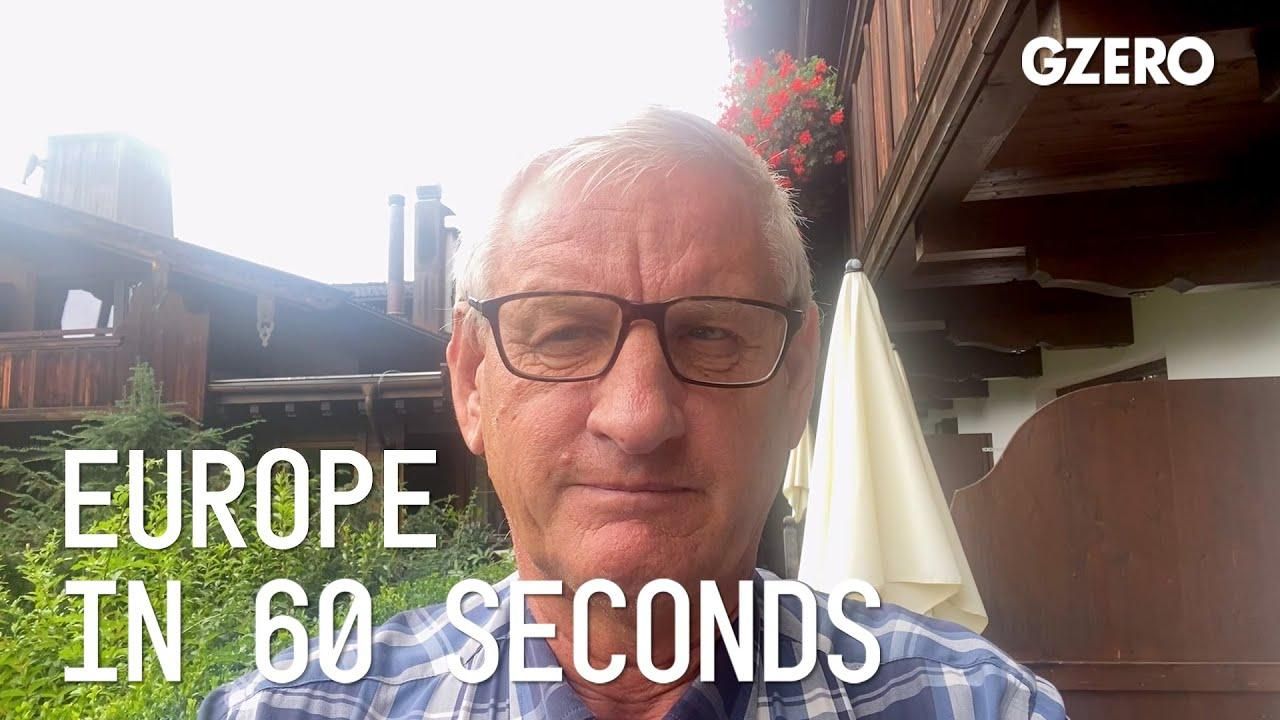
EU To Remain Interested in Keeping Borders Open to Russian Tourists | Europe In :60 | GZERO Media
Carl Bildt, former prime minister of Sweden, shares his perspective on European politics.
Will the EU close its border to Russian tourists?
No, it will be more difficult to get a visa if you are a Russian, but I think we have an interest in keeping our borders open. There's roughly, I think, 400,000 Russians who've left Russia since the invasion, and they've done it because they don't consider the Russia to be the country where they want to spend their future. There might be more of those coming, and we should keep the borders open for them.
How is the Ukrainian counter offensive in the Kherson region moving?
That, we simply don't know. A counter offensive of this sort, and there's no doubt that the Ukrainians have started one, they are trying to advance, they might be advancing. But I will say it's going to take a week or so until we know. There are all the signs that the Russians are trying to reinforce, and that's a good sign that they are getting nervous and they are on the defensive.
At the 2026 AI for Good Global Summit in Geneva, Robert Opp, Chief Digital Officer at the United Nations Development Programme (UNDP), explores whether artificial intelligence can help countries make progress amid growing development challenges and shrinking resources.
At the 2026 AI for Good Global Summit in Geneva, Switzerland, Frederic Werner, AI for Good co-creator and chief of strategic engagement at ITU, explains why optimism about artificial intelligence is growing across many developing countries even as skepticism rises in Europe and North America.
In his latest Quick Take, Ian Bremmer weighs in on President Trump’s intervention with FIFA after US star Flo Balogun received a red card suspension ahead of the team’s match against Belgium.
How do the choices of the past help us navigate the future? Microsoft's new video series explores pivotal moments in US history and the decisions that helped shape innovation, opportunity, and progress. By connecting historical turning points to today's technology and policy questions, the series offers a perspective on the choices that continue to shape what comes next. Watch the first episode here.