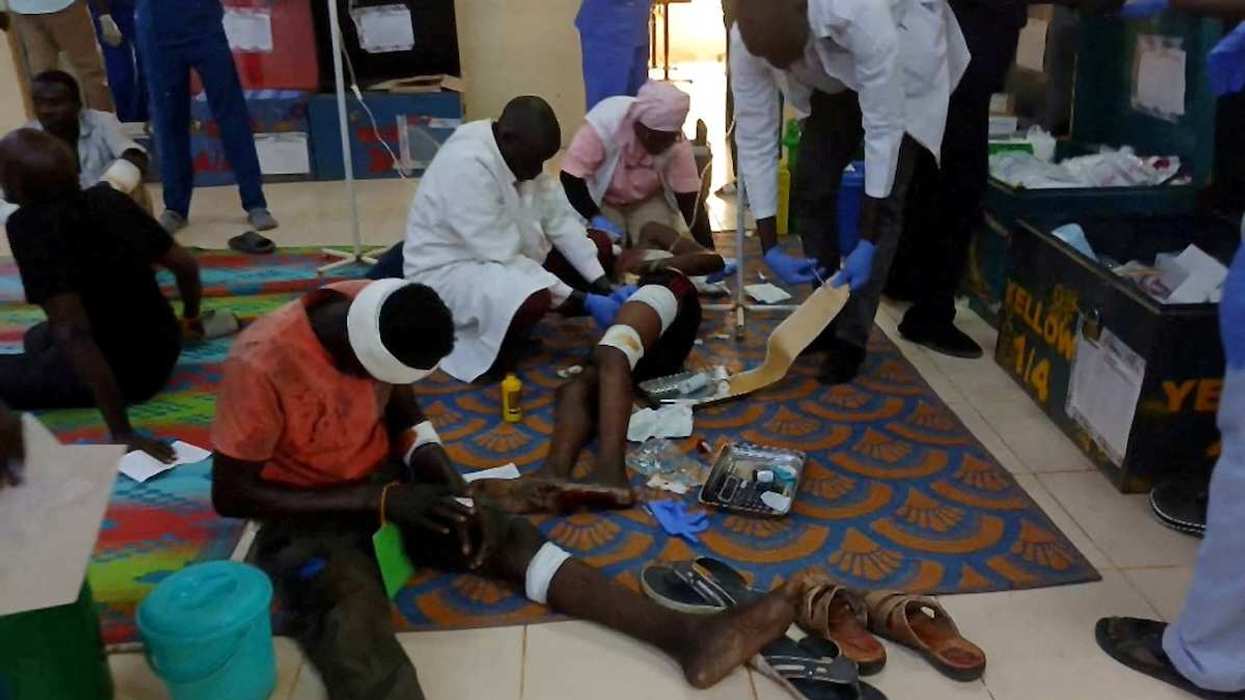
The Ebola outbreak in the Democratic Republic of Congo crossed a grim threshold over the weekend. The World Health Organization said on Saturday the outbreak reached 3,605 cases, making it the DRC’s largest Ebola outbreak ever. Less than three months in, it is also the fastest-growing outbreak in the history of the virus.
For comparison, the country’s second largest Ebola outbreak, from 2018 to 2020, took about 18 months to reach the same number of cases. Only the 2014-2016 Ebola epidemic across West Africa was larger, infecting more than 28,000 people and killing more than 11,000 over two and a half years. The current outbreak, caused by the rare strain called the Bundibugyo virus, has already claimed more than 1,500 lives since it began in May.
Health officials say the crisis is being fueled in part by conflict in the region. Most cases are being reported in the Ituri province, where violence has persisted since 2021, when Rwandan-backed M23 rebels resumed their offensive against Congolese government forces. Nearly one million people there are currently displaced by fighting, and dozens of armed groups now operate across the region.
The fighting has made containing the outbreak far more difficult. Renewed violence along the Ituri-North Kivu border has forced more families to flee affected communities, making it harder for health workers to identify cases and trace contacts before the virus spreads. Many displaced people also lack access to healthcare, clean water, shelter, and food. Meanwhile, health workers are facing deep mistrust of Congolese authorities and conspiracy theories circulating on social media. As a result, the WHO warns the true number of infections is likely even higher than what’s been reported.
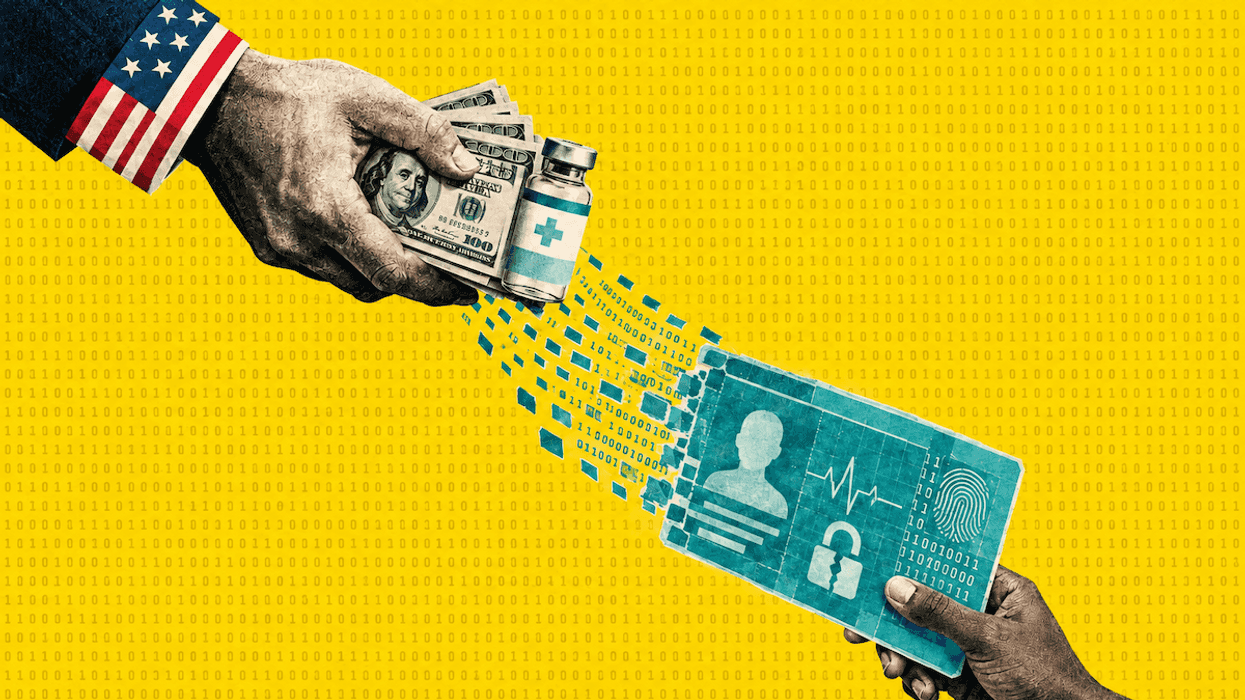
The region’s capacity to respond has also been weakened by shrinking international aid. USAID, which was shuttered in 2025, had funded local networks with years of experience responding to Ebola outbreaks. That loss comes at a critical moment: the UN says the Ebola response in the DRC needs to triple in size to contain the outbreak, yet its broader $2.1 billion humanitarian appeal is only 45% funded.
There’s currently no treatment for the Bundibugyo strain of Ebola. While clinical trials for a vaccine began in July, researchers don’t know how long it will take to be successful. Until then, containing the Ebola outbreak in the DRC is a race against time – made harder by conflict, displacement, and dwindling resources.