Skip to content
Search

Latest Stories

Analysis

Alberta nixes independence - but immigration is the real story

Supporters of the Forever Canadian group, who want Alberta to remain in Canada, wave Canadian flags as they wait for the results of a non-binding referendum on Alberta sovereignty in Edmonton, Alberta, Canada October 19, 2026.

Supporters of the Forever Canadian group, who want Alberta to remain in Canada, wave Canadian flags as they wait for the results of a non-binding referendum on Alberta sovereignty in Edmonton, Alberta, Canada October 19, 2026.

REUTERS/Todd Korol
Make us preferred on Google

Alberta is staying in Canada. After a long night of ballot counting, with some polling stations open until 10:30 pm due to long lines and late starts, voters in the oil-rich western Canadian province decisively rejected taking steps toward independence.

Seventy-six percent voted to remain part of Canada, while 24% voted to initiate a secession process. The results mirrored opinion polls taken throughout the campaign and dealt a serious blow to separatists, some of whom had predicted getting as much as 55% of the vote.

But the more important results may have come from the nine other questions on the referendum ballot that have received considerably less attention.


Tighter borders. More than half of Albertans voted in favor of new provincial powers to limit immigration. Similar shares supported restricting publicly funded services for non-citizens and non-residents, as well as imposing waiting periods or additional fees on temporary residents seeking health benefits. This last issue marks a major departure in a country where universal health care is a defining feature of national identity.

Election security. An even clearer majority of Albertans, roughly 63%, supported requiring voters to present a passport, birth certificate, or citizenship card to vote in provincial elections. Supporters of the measure — which echoes Donald Trump’s stalled Save America Act — argue that it would protect electoral integrity, while critics warn it could disenfranchise eligible citizens who lack ready access to the required documents.

Tensions with Ottawa incoming. Unlike the electoral rule changes, which the Albertan government can implement directly, the immigration proposals will need to be negotiated with the federal government in Ottawa.

That will fuel tensions between Alberta Premier Danielle Smith and Canadian Prime Minister Mark Carney at a time when Carney is trying to present a united front in Canada’s ongoing tariff war with the US.

Immigration will be the wedge issue. Immigration anxieties are familiar in both America and Europe, where governments face growing public concern over housing shortages, strained social services, and their capacity to absorb and assimilate newcomers. But they create a particular dilemma for Alberta and, by extension, Canada.

Alberta’s powerful oil industry and natural resources are a critical component of Canada’s broader economic and geopolitical ambitions. Ottawa wants to advance major energy and infrastructure projects, including a new west coast oil pipeline that would expand Canada's access to overseas markets.

But Alberta’s oil-driven economy depends heavily on immigration and temporary workers to support production, construction, and infrastructure development. Carney even recently mused about increasing immigration levels to build new energy infrastructure. At the same time, Canada faces persistent labor shortages that more immigration could partly ease, a trade-off that Carney’s cabinet is already discussing.

Alberta’s referendum results, as well as the recent outcome of Quebec’s provincial election, which immigration skeptics won, show that voters in key regions of the country prefer to keep immigration numbers down.

What happens next? Alberta’s separatists have vowed to press ahead despite their defeat. Smith’s United Conservative party will hold a convention in November, and polls show just over half of its members support separation. However, the greater issue is how the federal government will navigate Alberta’s demands for greater autonomy on issues core to broader Canadian ambitions — and manage the possible political fallout.


More For You

Washington’s controversial new approach to foreign aid
What do countries receiving US foreign aid owe Washington? Since returning to power in 2025, the Trump administration has drastically changed the answer to this question, pursuing an ‘America First’ philosophy that is dramatically more transactional: the US will give you money, but you must give the US something valuable in return.In the [...]
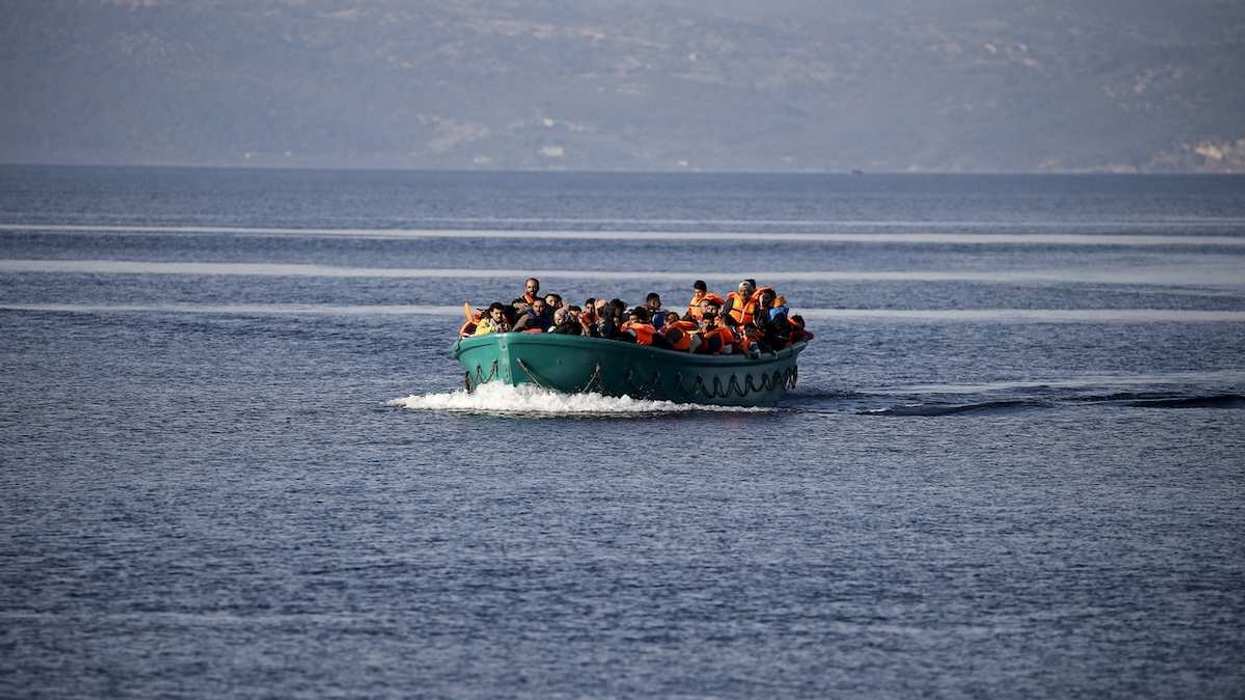
Refugees and migrants arrive on an overcrowded boat on the Greek island of Lesbos, November 10, 2015. Since the start of the year, over 590,000 people have crossed into Greece, the frontline of a massive westward population shift from war-ravaged Syria and beyond.

Refugees and migrants arrive on an overcrowded boat on the Greek island of Lesbos, November 10, 2015. Since the start of the year, over 590,000 people have crossed into Greece, the frontline of a massive westward population shift from war-ravaged Syria and beyond.

REUTERS/Alkis Konstantinidis
Anti-immigration political parties are making big gains across Europe these days. Germany’s Alternative for Germany (AfD) party just won two major state parliamentary elections, campaigning in part on mass deportations of undocumented immigrants. Spain’s far-right Vox party continues to grow in popularity, especially after a recent surge of [...]
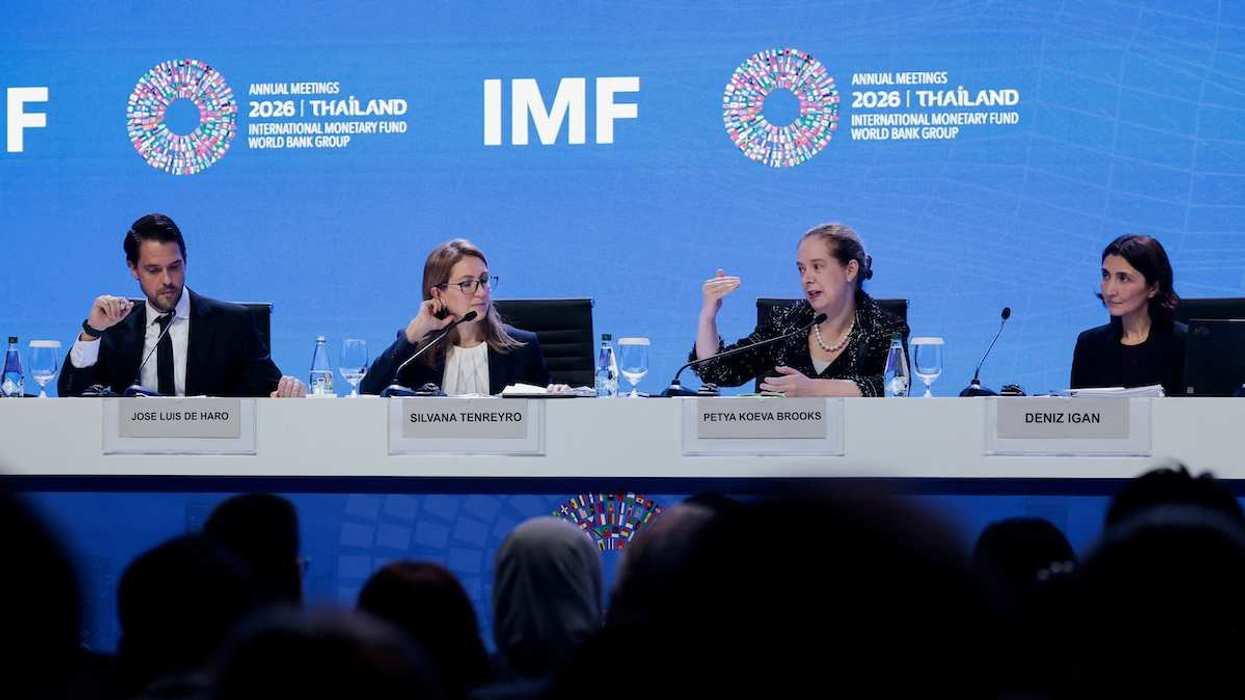
MF Communications Officer Jose Luis De Haro, Director of the Research Department at the IMF Silvana Tenreyro, Deputy Director of the Research Department at the IMF Petya Koeva-Brooks and Division Chief at the Research Department of the IMF Deniz Igan attend a press briefing during the IMF/World Bank 2026 Annual Meetings at Queen Sirikit National Convention Center (QSNCC)

IMF Communications Officer Jose Luis De Haro, Director of the Research Department at the IMF Silvana Tenreyro, Deputy Director of the Research Department at the IMF Petya Koeva-Brooks and Division Chief at the Research Department of the IMF Deniz Igan attend a press briefing during the IMF/World Bank 2026 Annual Meetings at Queen Sirikit National Convention Center (QSNCC) in Bangkok, Thailand, October 13, 2026.

REUTERS/Patipat Janthong
The people tasked with safeguarding the world’s financial stability are gathering in Bangkok, Thailand, this week. Central bankers, finance and development ministers, private sector leaders, civil society representatives, and academics from nearly 200 countries are attending the IMF-World Bank’s annual meetings to discuss soaring public debt, the [...]
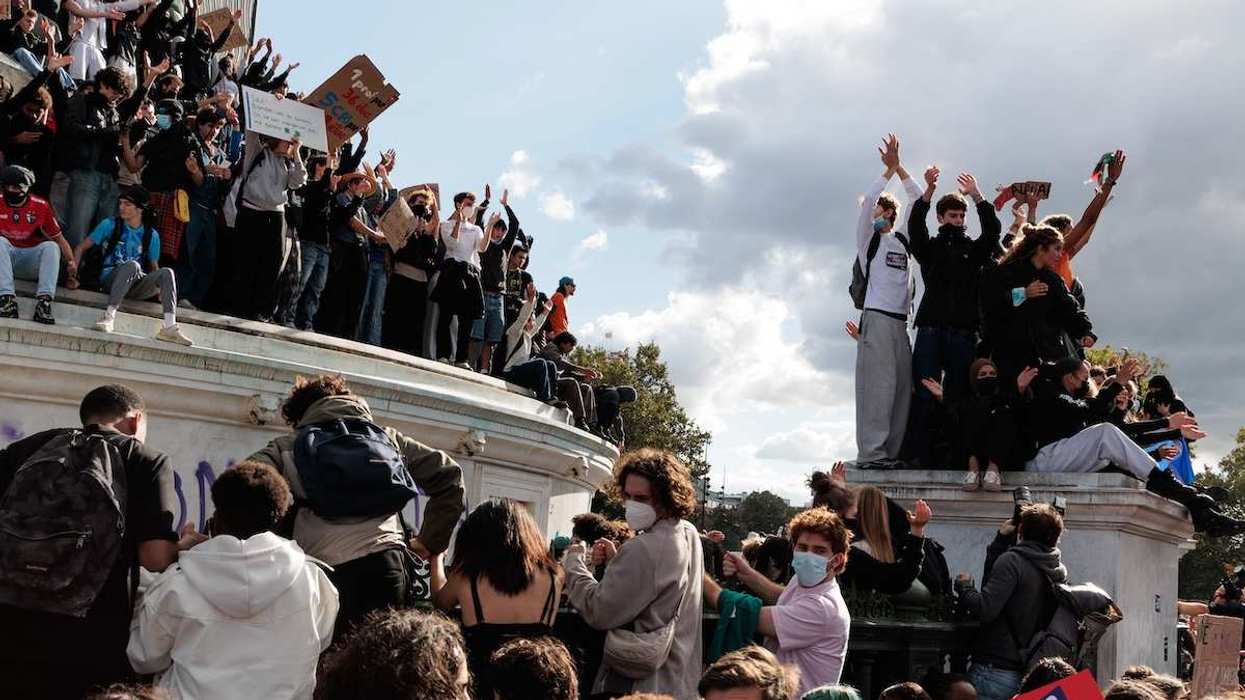
Students stand on the July Column during a high school and college student protest at Place de la Bastille in Paris, Ile-de-France, France, on October 8, 2026.

Students stand on the July Column during a high school and college student protest at Place de la Bastille in Paris, Ile-de-France, France, on October 8, 2026.

Gauthier Bedrignans / Hans Lucas via Reuters Connect
Many will associate that line with the classic musical “Les Misérables” set during the French Revolution. But today, it encapsulates the feeling of millions of students across France: miserable – and enraged. For weeks, students have walked out of classrooms and poured into the streets. What began last month as anger over teacher shortages, [...]