The people tasked with safeguarding the world’s financial stability are gathering in Bangkok, Thailand, this week. Central bankers, finance and development ministers, private sector leaders, civil society representatives, and academics from nearly 200 countries are attending the IMF-World Bank’s annual meetings to discuss soaring public debt, the impact of the Iran war, rising oil and food prices, inflation, and the economic impact of AI.
But another issue is also worth watching: the IMF’s relationship with the United States.
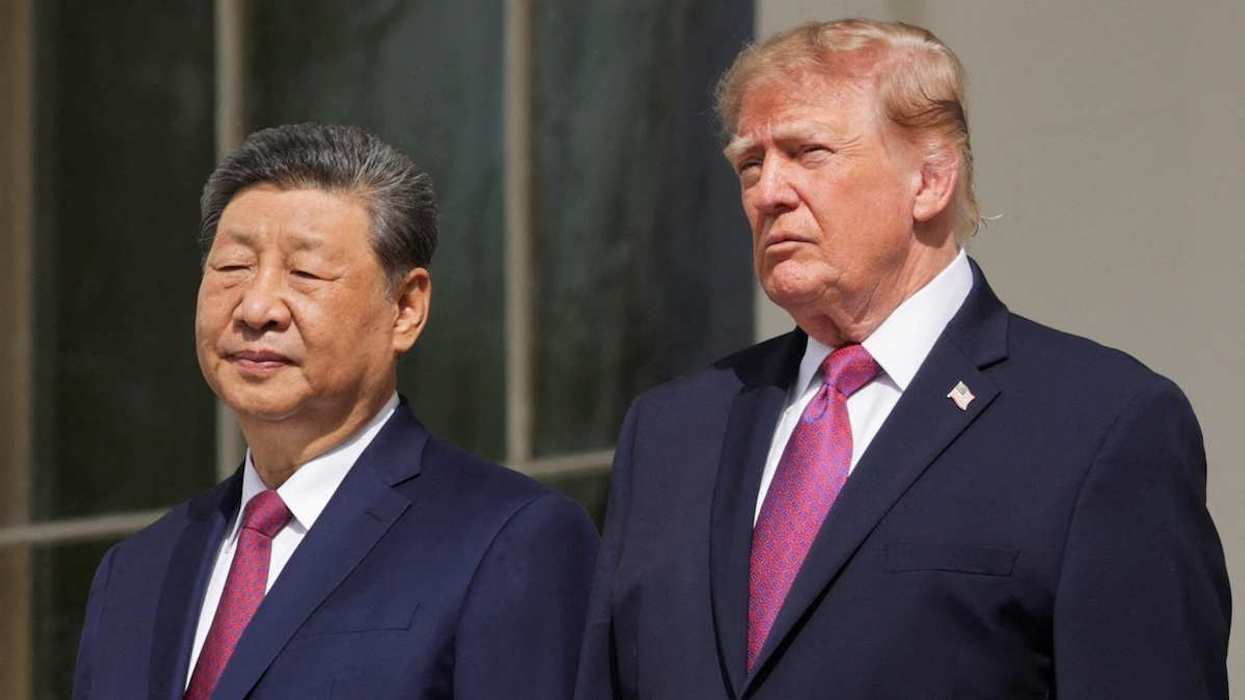
It’s well known that President Donald Trump is no fan of international institutions. Early in his second term, he withdrew the US from 66 international bodies, including the Intergovernmental Panel on Climate Change, the UN Population Fund, and the International Law Commission. Since then, he has cut funding to the UN, threatened to leave NATO, and repeatedly attacked the multilateral system that Washington helped create and lead for 80 years.
Yet the IMF has largely escaped this ire. In fact, the Trump administration’s relationship with the organization has become surprisingly friendly. Nowhere is that more evident than in US Treasury Secretary Scott Bessent’s rhetoric. In April 2025, Bessent accused the organization of “mission creep,” saying it devoted too many resources to “climate change, gender and social issues.” Under pressure from the administration, the IMF scaled back its focus on several of those issues. And one year later, Bessent struck a different tone: “I think we are very aligned now.”
Bessent is skipping this year’s IMF meetings in Bangkok, with a senior official citing unspecified “domestic engagements.” But his absence does little to diminish the administration’s influence over the institution. That raises a question: how much has the IMF changed – and how much further can it go to retain US support without compromising its independence?
The evolution of a beautiful friendship? Despite his early criticisms, Bessent signaled in 2025 that the US would not withdraw from the IMF. Instead, the administration would push both the IMF and the World Bank to create a “sustainable international economic system” that better serves the US and other countries.
Since then, the IMF has made several changes that Washington welcomes. In April 2026, Bessent praised the IMF’s renewed emphasis on economic stability and willingness to address American concerns about China. Meanwhile, member countries reportedly felt pressure to “self-censor” and avoid discussing climate issues. This month, the Treasury Department welcomed the IMF’s decision to consolidate its climate and gender units into a broader economic policy department and remove certain issues from its work program.
Those changes extend to personnel. Last year, the IMF appointed Bessent’s former chief of staff, Daniel Katz, to the organization’s second-highest position. This fall, the IMF reportedly removed economist Ricardo Reis from the running for Chief Economist after he criticized Trump’s tariffs. The job went to Silvana Tenreyro, another economist who also criticized tariffs but was seen as less confrontational toward Washington.
Why the Trump administration likes – and needs – the IMF. Unlike the UN General Assembly, where every member receives one vote, the IMF’s governance structure gives countries voting power based on their financial contribution. America’s financial commitment to the IMF is over $180 billion, making it the Fund’s largest shareholder and giving it roughly 16% of voting power. Because major institutional decisions require an 85% majority, the US effectively possesses a veto. That makes the IMF an attractive vehicle for advancing American influence during geopolitical and financial crises.
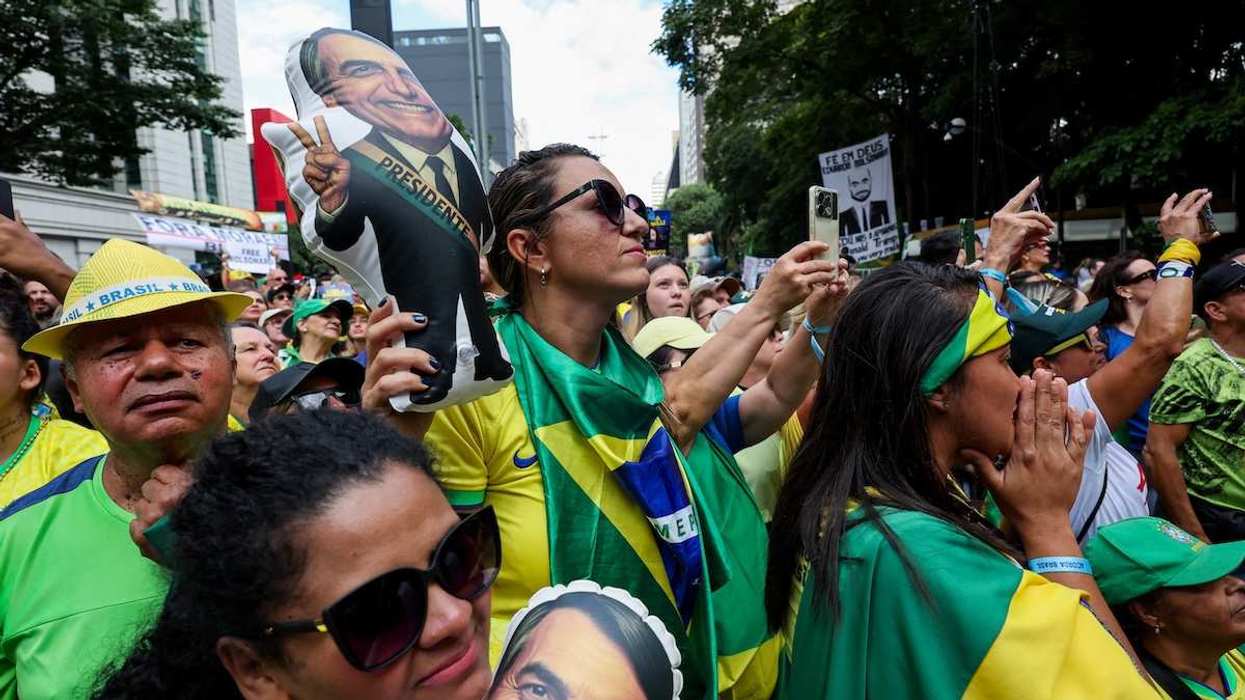
Take Argentina, whose President, Javier Milei, is one of Trump’s closest international allies. In spring 2025, Argentina’s central bank was running low on US dollars, without which it could not stabilize its currency or meet its international obligations. At the US’s urging, the IMF agreed to lend Argentina $20 billion on the condition that it implement economic reforms. Washington also provided another $20 billion in financial assistance ahead of the country’s 2025 midterm elections – which Milei’s party won.
China offers another example. Washington has long pressed Beijing to curb its reliance on exports and industrial subsidies to generate economic growth. The IMF has increasingly echoed those concerns. In its 2025 annual review of the Chinese economy, IMF Managing Director Kristalina Georgieva called on Beijing to shift toward domestic consumption after its trade surplus exceeded $1 trillion. The IMF confirmed it was responding to Washington’s advocacy for “an orderly rebalancing” of the global economy.
A useful tool for the US – but will the IMF let itself be used? The Trump administration’s approach to the IMF illustrates an important caveat to its hostility toward multilateralism. It does not necessarily oppose international institutions. It opposes those it cannot influence or whose priorities conflict with the administration's. The IMF is different. Its financial resources, expertise, and legitimacy can reinforce American strategic objectives, while US voting power gives it considerable control over the institution’s policy direction and resource deployment.
For the IMF, the challenge is keeping Washington engaged without becoming an extension of US economic policy. The ultimate test will be whether the IMF can criticize American economic policies as freely as it can criticize those of other countries. If not, the institution may have to choose between maintaining American support and preserving something more valuable: its credibility.