For weeks, tens of thousands of people in India – most of them young people – protested outside the Jantar Mantar, a historic observatory in New Delhi, to demand the resignation of the country’s education minister, Dharmendra Pradhan.
Swaraj Sriwastav, a 28-year-old cinematographer from Mumbai, was among the crowd on July 20, laughing in unison and holding up handmade posters. He was 900 feet from India's Parliament building when police used batons to break up the demonstration. “They don’t shoot tear gas straight at you. They loft it, like kicking a football,” he said. But the crowds kept coming back every day.
Five days later, they got what they asked for.
This past Saturday, Pradhan announced his resignation, becoming the first senior minister in Narendra Modi’s 12 years in office to resign due to public pressure. His resignation became a rallying cry for the group leading the demonstrations, the Cockroach Janta Party, a movement born online two months earlier out of Gen Z frustration over jobs and leaks of high-stakes entrance exams. What started as a meme berating the comments of the Chief Justice of India, Surya Kant, who called young Indians “cockroaches” and “parasites” incapable of finding employment, quickly sparked protests in Mumbai, Pune, and Bengaluru, echoing decades-long frustration with the country’s institutions.
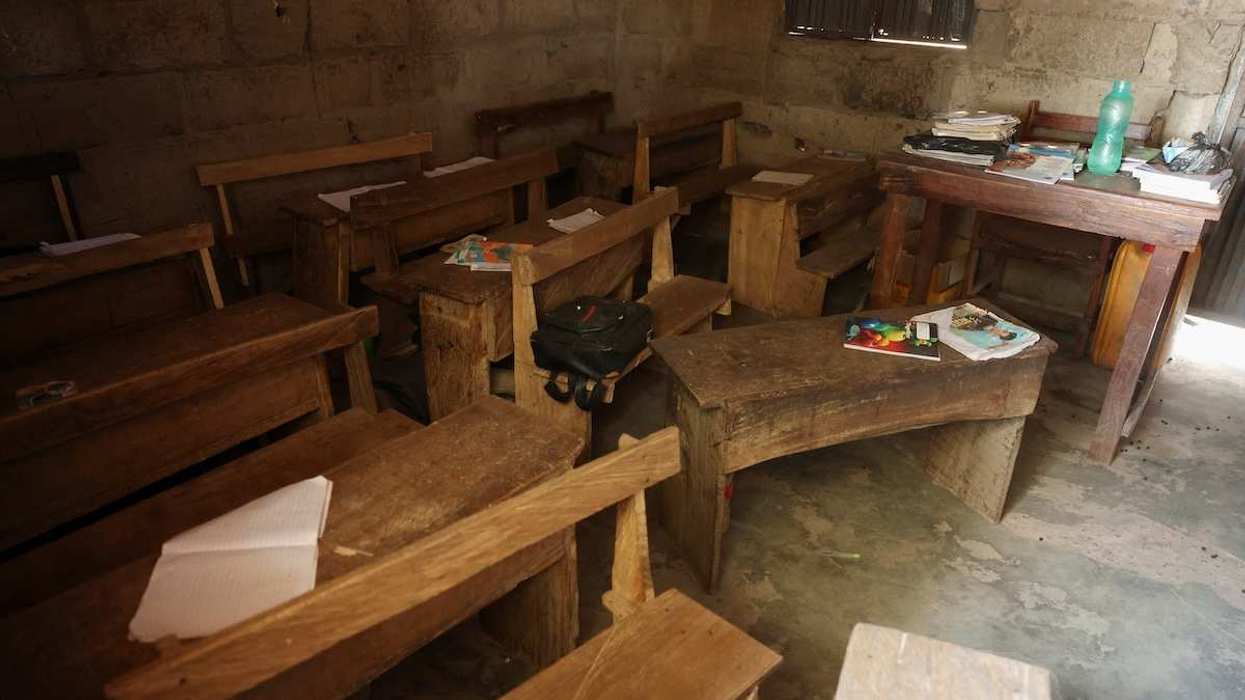
The trigger was bureaucratic before it was political. In May, more than two million students took NEET, a highly competitive exam for roughly 130,000 medical school seats. Within days, reports surfaced of questions being leaked over WhatsApp, forcing millions back into preparation. The mounting pressure and the leak led to at least a dozen students dying by suicide.
It wasn’t the first leak. Rahul Gandhi, leader of the opposition, claimed in a press conference earlier this month that there have been over 150 paper leaks in the last decade. India’s National Crime Records Bureau reported that 14,488 students died by suicide in 2024, rising roughly 80% from 8,068 cases in 2014, when Modi first came to power.
Anger at the National Testing Agency, which has run India’s marquee exams since 2019, has also been building for years. In 2024, the NEET-UG leak brought similar street protests and parliamentary demands for Pradhan’s resignation. But nothing changed – until now.
The movement quickly gained support in record numbers, with CJP’s Instagram gaining over 22 million followers in just two weeks after it was created in May. It’s put Modi’s ruling party, the Bharatiya Janata Party, under intense scrutiny.
“Digital life and its conversion into political action is now a highly identifiable phenomenon," says Shruti Kapila, professor of history and politics at the University of Cambridge. The CJP’s movement used satire and humor to amplify their message and demand accountability. On social media platforms like Instagram, the young crowd made reels, posted carousels of posters and digital art that quickly became viral.
Four days into the protests, Modi posted a social-first video addressing students directly, hoping to defuse the movement. For the average 20-year-old in India, most of their experience of the Indian government has been Modi’s centralized decision-making. Any decision his government makes automatically becomes “a lightning rod” for issues like crime and safety, inflation, and education, according to Pramit Chaudhuri, head of Eurasia Group's South Asia practice.
This week, the outcry over the exam leaks became too loud for Modi to ignore. On Thursday, India’s Lok Sabha, the lower house of Parliament, passed an Anti-Leak Paper Amendment Bill that imposes a fine of up to Rs. 50 lakh (approximately $52,000) and a 10-year prison sentence for those found guilty of involvement in future leaks.
Is there a political cost for Modi and the ruling party? With two-thirds of the country under 35, over 67% of the 11 million graduates unemployed, the youth support for the ruling party has been declining since 2019, as economic expectations have fallen short.
The stakes are particularly high for next year, when two BJP strongholds, Uttar Pradesh and Gujarat, go to the polls. Uttar Pradesh alone has one of the youngest electorates in the world, with tens of millions of residents under 30. Rising youth dissatisfaction could open space for a younger party like the Aam Aadmi Party — or simply keep voters home.
“The BJP tends to feel threatened if protesters erode electoral support,” Chaudhuri said. But the Gen Z-led movement may not be rejecting Modi and the BJP, but rather, the traditional politics itself. Kapila explains the standout factor is that the CJP has “not relied on an 'older' or any established political actor for any leadership.” Whether Abhijeet Dipke, the founder of CJP, will organize the online movement into a pressure group or a political party is unclear.
Yet, for India’s youth, the CJP remains a banner, and a name to rally under. And Pradhan’s resignation remains the floor, not the ceiling. As the crowd claims it to be a small win, the energy on the ground is far from spent; it’s just a question of where it goes next.