Trump adds Israel caveat to Saudi nuclear deal
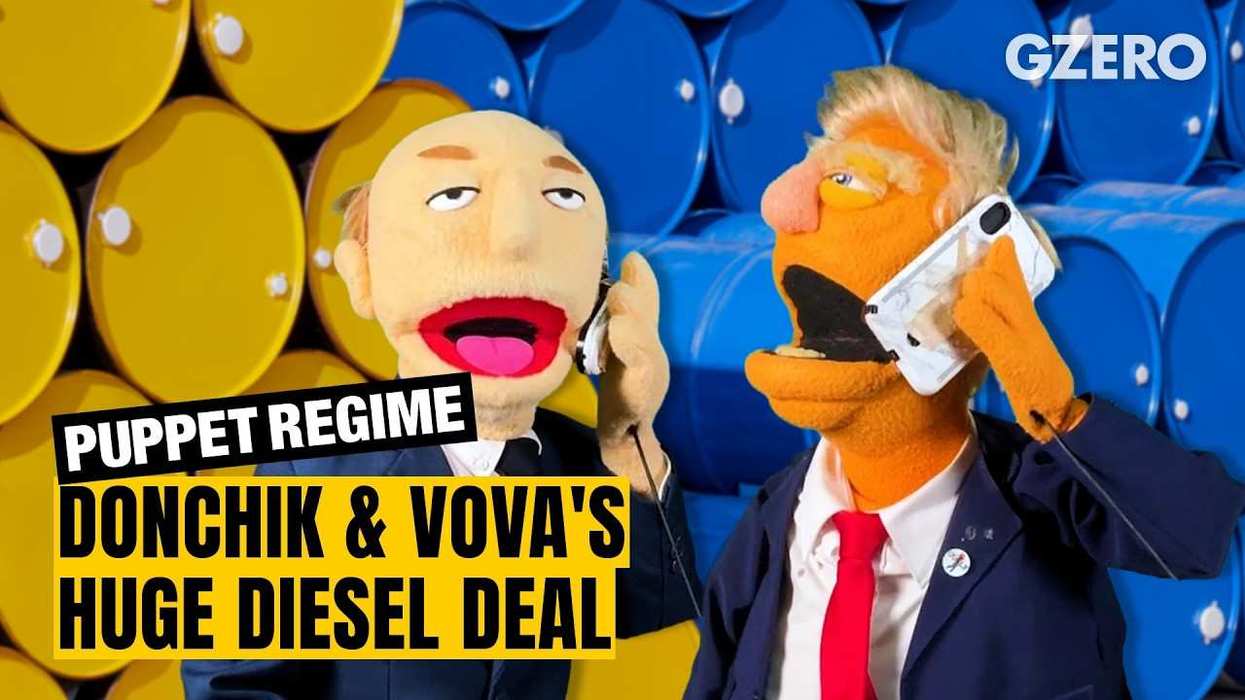
The US president on Thursday said that the US-Saudi nuclear deal struck this week would be contingent on the Kingdom joining the Abraham Accords, a Trump-brokered 2020 pact that normalized ties between Israel and several powerful Arab countries. Saudi Arabia has in the past said it would only do that if Israel opens an “irreversible pathway to a Palestinian state,” something current Israeli Prime Minister Benjamin Netanyahu has consistently rejected. Under the nuclear deal, US companies would sell Saudi Arabia reactors and other technology to establish a civilian nuclear program, with a possible pathway for domestic uranium enrichment. This could, theoretically, give the Saudis the ability to produce a nuclear weapon. Critics say it lacks safeguards to prevent this from happening, and could spark a regional nuclear arms race. Iran’s moves to develop weapons-capable nuclear material were a major justification cited by the US and Israel for the war with Iran.
Another nuclear deal hits a road bump
Japan is reportedly reconsidering a $40 billion nuclear energy deal reached with the US earlier this year, citing concerns that it could be held liable if a reactor meltdown were to occur on US soil. Under the deal, which was negotiated to lower tariffs on Japanese imports, Japan would help finance the construction of two small modular reactors in Alabama and Tennessee. Washington has verbally assuaged Japan that it would bear no responsibility in the event of an accident, noting that the reactors would be fully owned and operated by the US. Still, memories of the 2011 Fukushima disaster continue to shape Japanese attitudes toward nuclear risk. The Japanese are hoping for written assurance – an amendment which could take years to hash out – but US officials are reportedly pushing to finalize the agreement before the November midterm elections. More than 20 SMR projects have been proposed across the United States, though most remain years away from becoming operational.
Modi responds to “Cockroach” youth protests
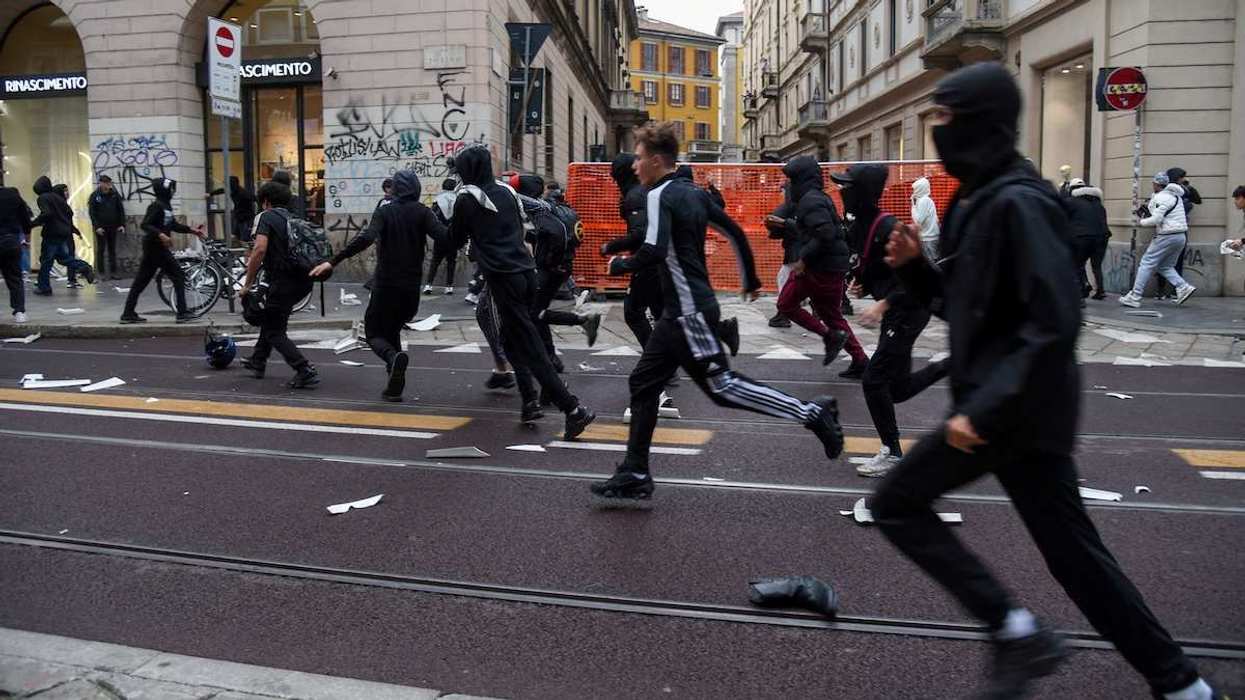
Indian Prime Minister Narendra Modi promised today to set up fast-track courts to bring “swift” justice for officials responsible for medical school exam leaks. For weeks, leaked entrance exams and cancellations have driven discontented young people to the streets. The demonstrations are largely organized by the Gen Z-led Cockroach Janta Party (CJP), which is demanding testing reforms, the resignation of the Minister of Education, and financial assistance to the families of the 12 students who died by suicide as a result of exam cancellations. Modi’s announcement, his first public response to the youth-led movement, comes after security forces cracked down with tear gas and batons on demonstrators in New Delhi. It may be a sign that Modi, who has been consolidating power since taking office in 2014, is starting to feel the Cockroaches crawling under his skin.