Indonesia’s wildfires ignite regional tensions
Indonesia’s worst wildfires in a decade are quickly becoming a domestic and international headache for President Prabowo Subianto. He has so far refused to declare a national emergency, which would free up more resources to fight the blazes. Prabowo says the government has things under control without one, but critics say he’s worried that an emergency declaration would show weakness. Meanwhile, residents on the island of Borneo near the epicenter of the fires are suing the federal government for negligence, demanding free healthcare and compensation for families who have lost loved ones. Indonesia’s neighbors are also losing patience. Singapore has threatened to sue Indonesian companies it holds responsible for the fires, while the wildfire smoke has forced Malaysia and East Timor to close their own schools. Nearly 3,500 square miles have burned since January, with drought conditions brought on by El Niño fueling the flames.
Ethiopia imposes interim government on rebel region
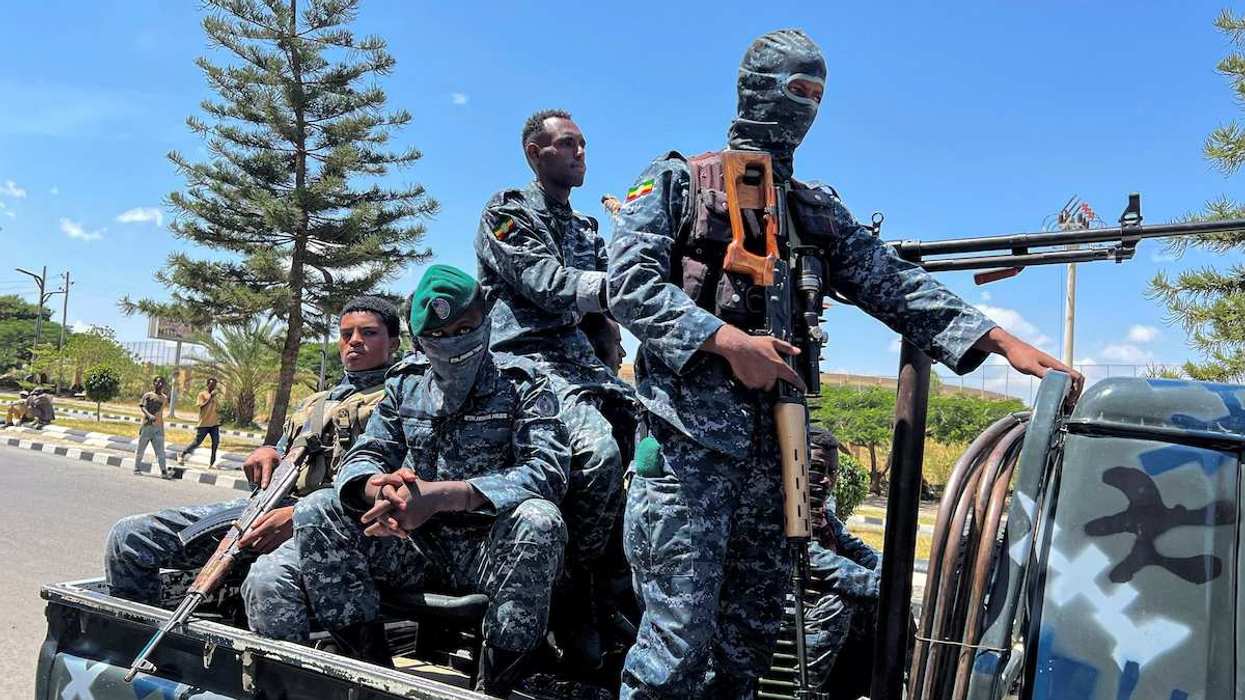
Prime Minister Abiy Ahmed on Friday installed a federally-run interim government in the northern Tigray region, following renewed clashes recently with the local Tigray People’s Liberation Front. Between 2020 and 2022, Ethiopian troops battled the TPLF in a brutal civil war which ended in a shaky peace deal. The TPLF mounted a fresh uprising late last month, but has since lost control of key Tigray cities to federal forces. PM Abiy has tasked the interim government with creating conditions for fresh elections within six months. To do so, it will need not only to manage the security challenge of disaffected TPLF militants, but also grapple with significant humanitarian challenges as well. Some 750,000 Tigrayans remain displaced as a result of the 2020-2022 war, and the region faces the risk of El Niño-driven droughts.
Mexico joins growing list of countries restricting social media content for minors
President Claudia Sheinbaum has signed a decree prohibiting social media platforms from exposing users under 18 to “harmful content,” including violence, hate speech, and sexual material, among others. Under the new rules – which will take effect next month – platforms will be required to verify the user’s age, restrict harmful content from appearing in their feeds, and offer parental supervision tools. Mexico joins a growing list of countries, including the UK, Australia, and Malaysia, that have introduced restrictions aimed at protecting young people online. But enforcement remains a challenge both generally – age restrictions are often easy to circumvent – as well as specifically: Sheinbaum’s decree lists no specific penalties for failure to comply. She says that if companies violate the new rule, which takes effect next month, her government would escalate to asking Congress to pass a firmer law and that unspecified sanctions could follow.