Houthis ramp up attacks on Saudi Arabia
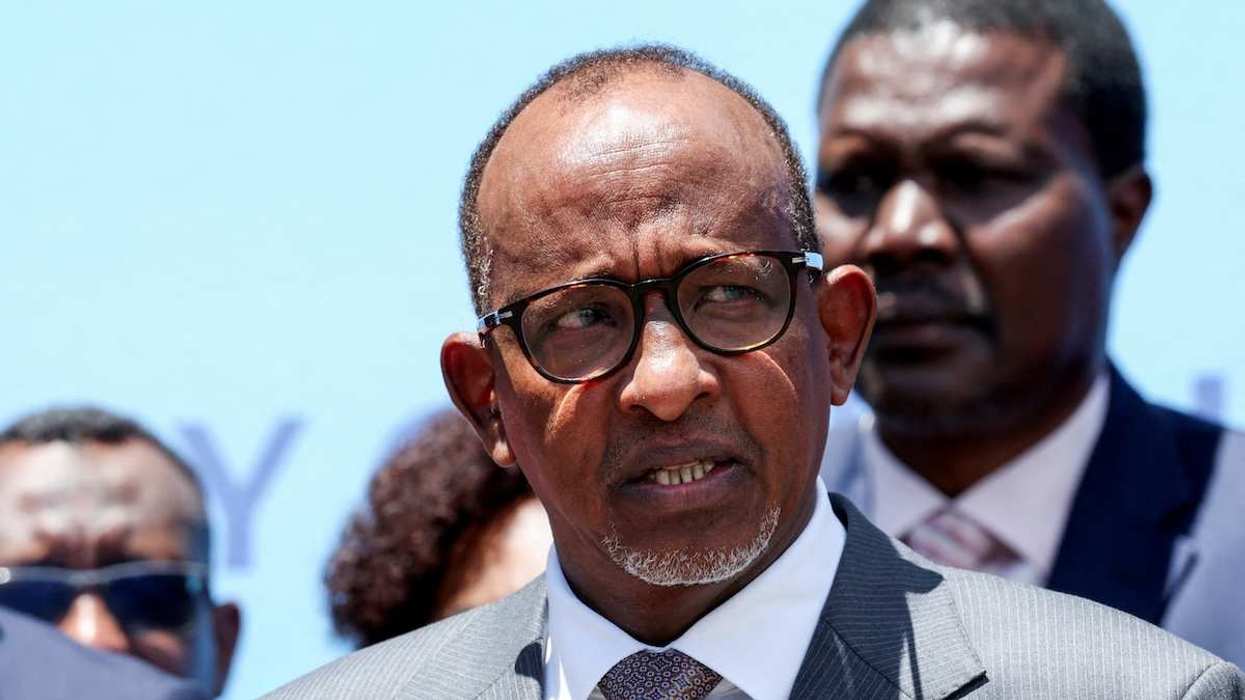
Attacks by the Yemen-based Houthis in Saudi Arabia over the weekend killed over a dozen people, including a US citizen, and injured hundreds of others. Strikes on Riyadh’s international airport Saturday were the deadliest attack in any Gulf Arab nation since the Iran war began, and marked a significant escalation of the country’s conflict with the Iran-backed militants. President Donald Trump responded that Washington may join Saudi Arabia in its retaliation against the Houthis in Yemen. But he may be hesitant to do so before the US midterms next month, given the widespread disapproval of the war in Iran. Meanwhile, Riyadh worries the conflict jeopardizes its efforts to attract tourism and transform its oil-dependent economy. France and the UK have pledged support, as have Pakistan and Turkey under a new mutual defense pact. But Riyadh will still want the backing of the US, its key ally and the world’s most powerful military.
“Cockroaches” in India prove hard to defeat
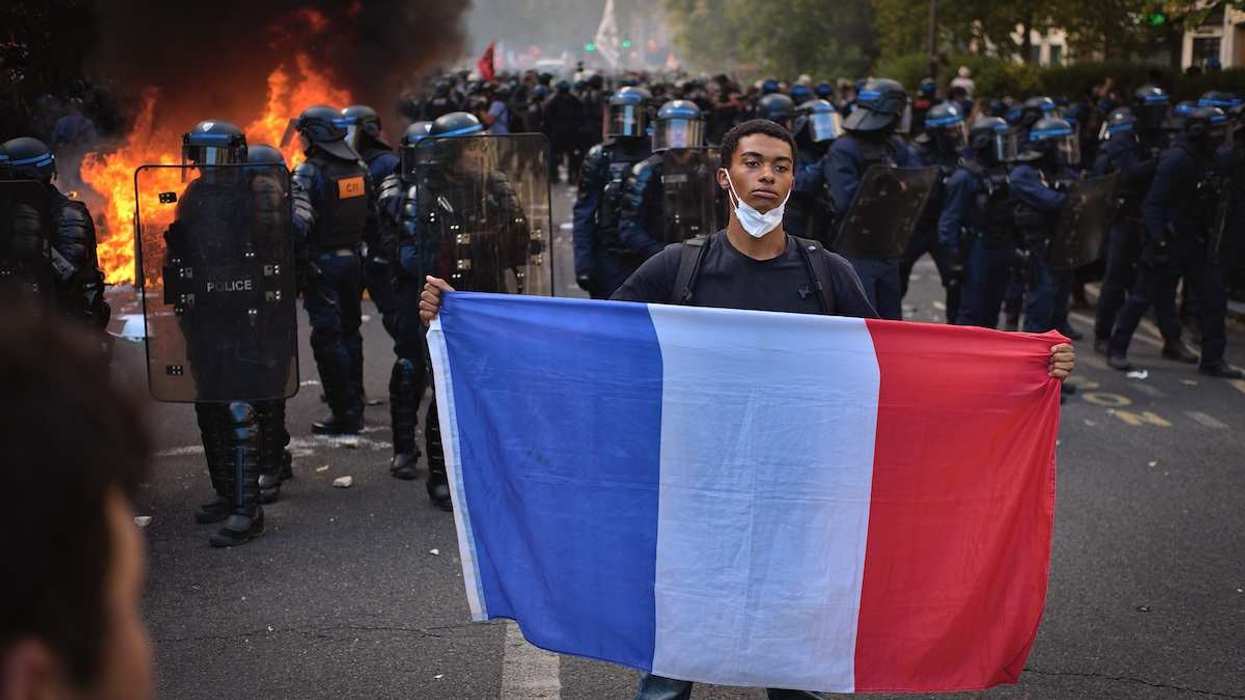
Three leaders of India’s Cockroach Janta Party (CJP) were released from detention on Sunday after police took them into custody ahead of plans to lead mass protests. The youth-led movement has become a formidable problem for PM Narendra Modi since it launched its online campaign five months ago, organizing demonstrations that led to the country’s education minister resigning and, last week, protests against a sudden purge of the country’s voter rolls. The leaders’ arrests were part of a wider crackdown by Indian security forces, which saw thousands of protesters rounded up, as well as canceled trains, closed subways, and the internet shut down in parts of New Delhi on Saturday. But protesters found support in India’s Supreme Court, which on Sunday ruled that public services should continue to function normally and that detaining peaceful protesters is illegal. “Cockroaches never die,” the CJP posted on social media following the activists’ release.
The phantom “energy ceasefire” between Russia and Ukraine
Russia and Ukraine reportedly continued targeting each other’s energy infrastructure on Monday, despite Donald Trump’s declaration of an “energy ceasefire” between the two countries. The ceasefire-that-isn’t comes after a whirlwind few days in which Trump, keen to bring down record diesel prices ahead of the midterms but with no resolution to the expanding Iran conflict in sight, took aim at Ukraine. Kyiv’s strikes on Russian refineries, along with US sanctions on Russian fuel exports, have contributed to the global diesel shortage, though analysts say Iran-related disruptions have been a bigger factor. On Friday, the US lifted Russian diesel sanctions in exchange for what Trump said was millions of tons of the fuel. After Zelensky called this “weak,” Trump said Ukraine needs a “new leader,” while his administration made it known that the US would cut weapons and intel sharing with Ukraine and Europe unless Kyiv stops attacking Russian energy facilities.