GZERO North

A stricter Paw Patrol arrives in August

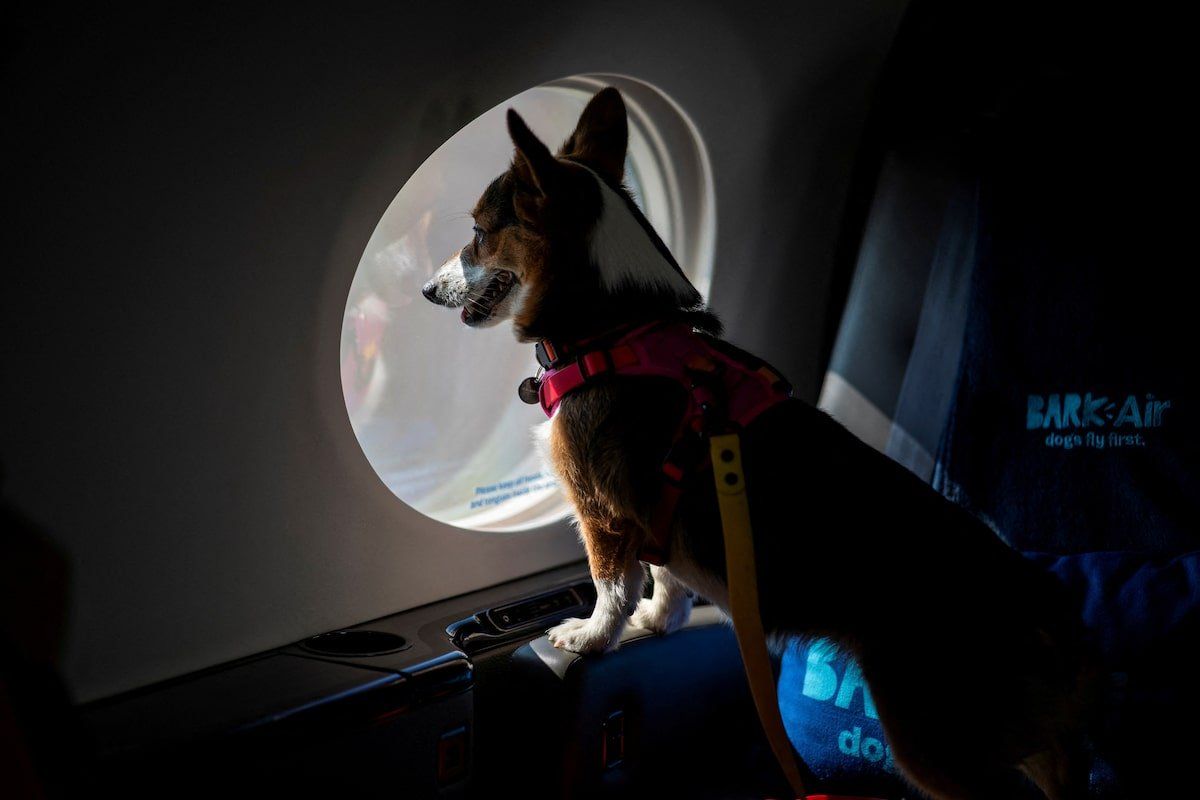
A dog looks out from a plane’s window during a press event introducing Bark Air, an airline for dogs, at Republic Airport in East Farmingdale, New York, May 21, 2024. The new airline will transport dogs of all sizes and their people "in comfort and in style," according to its CEO Matt Meeker.
REUTERS/Eduardo Munoz

Well, this bites. New rules from the Centers for Disease Control and Prevention come into effect on Aug. 1, limiting the transport of dogs into the US. The CDC is working to curb the spread of rabies, which means any pups crossing the border will have to be at least six months old, microchipped, and have proof of rabies vaccination (this last part can be a bit complicated depending on travel history). The rules for bringing dogs north remain the same for now, requiring proof of rabies vaccination for pups over eight months old, but Canada is reviewing the new US requirements.

Roughly a million dogs enter the US each year, and Canada is a frequent country of origin for people selling dogs or bringing them across the border on vacation. That includes breeders who ship dogs to customers south of the border, but also Canadians who bring their pet into the country recreationally. The measures aim to protect both dogs and humans from zoonotic disease, which entails more paperwork and logistics, which you can sort through with the CDC’s online DogBot tool.
More For You

CEO and Co-Founder of Anthropic Dario Amodei speaks during the 56th annual World Economic Forum (WEF) meeting in Davos, Switzerland, on January 20, 2026.
REUTERS/Denis Balibouse

The release of Antrhopic’s Mythos, a powerful AI model with an extraordinary ability to identify software vulnerabilities, appears to have rattled the Trump administration.

A view of Iranian-flagged cargo ship Touska as USS Spruance (DDG 111) conducts its interception in a location given as the north Arabian Sea, in this screen capture from a video released on April 19, 2026.
CENTCOM/Handout via REUTERS

The US Navy isn’t just intercepting Iranian-linked ships outside the Strait of Hormuz. It’s redirecting Iranian-linked ships in Asian waters, too.