Migration crisis hits Spanish exclave of Ceuta
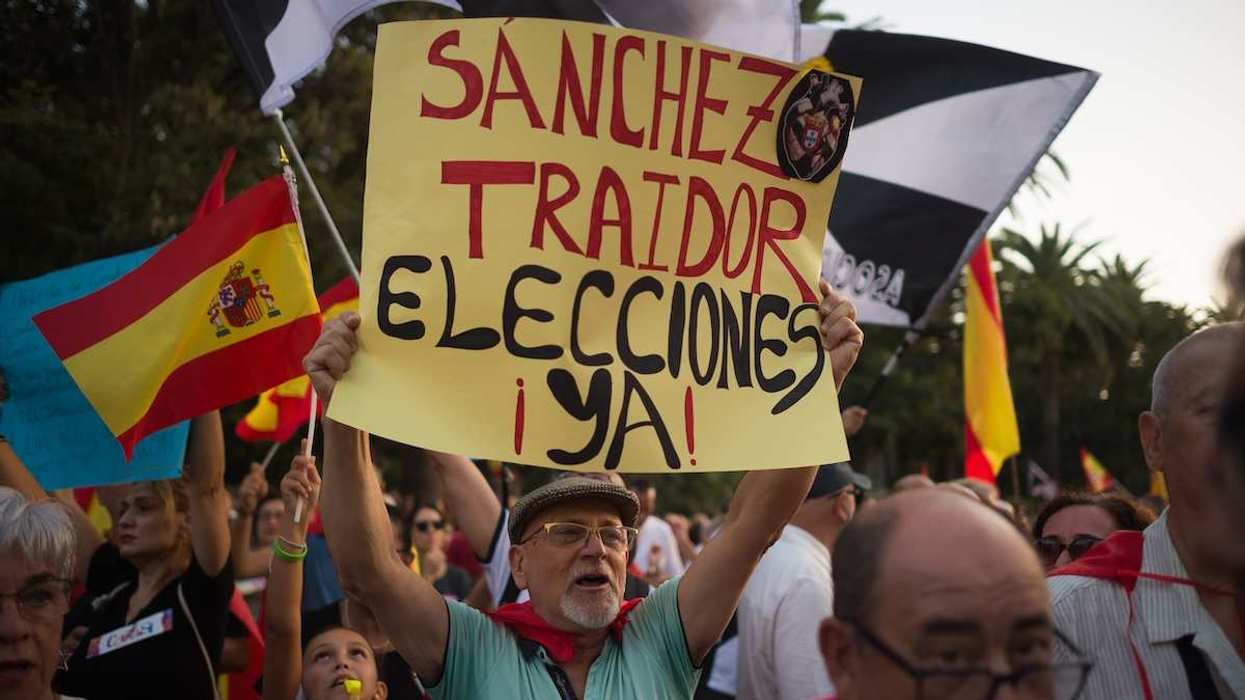
As many as 60,000 migrants from Morocco crossed into the Spanish exclave city of Ceuta yesterday in a chaotic rush that left 34 people dead. Spanish Prime Minister Pedro Sánchez condemned the crossing during his visit today, blaming “trafficking gangs” for organizing it, though it’s still unclear what triggered the surge. Spain sent the military today to help manage the crisis and says it has already returned more than 25,000 migrants to Morocco. Located on Morocco’s northern coast, Ceuta has long been a gateway to Europe for migrants seeking entry into the EU. The incident is a setback for Sánchez, one of Europe’s few left-wing leaders who’s taken a pro-immigration stance while in office, and has handed fresh political ammo to Spain’s far-right Vox party. Other anti-immigration figures across Europe, including the UK’s Nigel Farage and Italy's Giorgia Meloni, also capitalized on the surge to bolster their arguments for tougher border controls.
Hamas says it’ll disarm, but there’s a dilemma
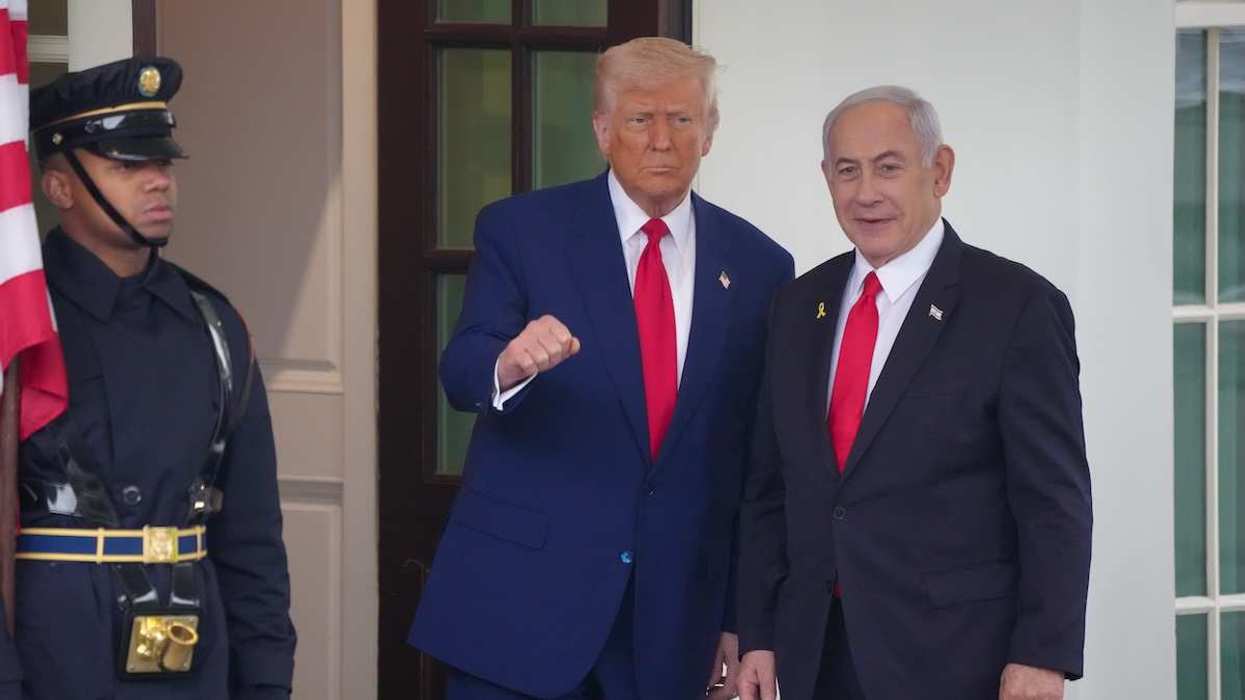
Hamas confirmed on Friday that it agreed to begin disarming under a new deal announced by US President Donald Trump’s Board of Peace. If implemented, the deal would mark a significant step in the Board’s peace plan for Gaza and open the door to begin rebuilding the war-torn enclave. However, Hamas said their agreement is contingent on Israel ending “all forms of aggression” and withdrawing from the territory. Israel, for its part, has not officially endorsed the proposal and is “skeptical” of Hamas’ willingness to give up its weapons, considering armed struggle remains central to the group’s identity. The proposal gives both sides two weeks to outline an implementation schedule, but it is clear that for such a plan to potentially work, both sides must move in lockstep between withdrawal and disarmament.
Son of Brazil’s Lula under investigation
As if there weren’t enough family drama in the Brazilian presidential election already, federal police are now reportedly investigating one of President Luiz Inácio Lula da Silva’s sons for corruption. The son, Fabio Luis Lula da Silva, known as “Lulinha,” is suspected of influence peddling in connection with efforts to get the Health Ministry to work with specific medical cannabis distributors. President Lula, who spent nearly two years in prison in 2018 and 2019 on corruption charges that were later annulled, is not accused of wrongdoing himself, but the scandal could still affect his re-election bid. He currently leads Flávio Bolsonaro, son of jailed ex-president Jair Bolsonaro, by about six points in a hypothetical runoff. The election is in October.