Brenda Biya, daughter of Cameroon’s President Paul Biya, came out as a lesbian this week by posting a photo in which she is kissing her girlfriend Layyons Valença.
What’s the big deal?
Under Section 347-1 of Cameroon’s penal code, anyone in the country who “has sexual relations with a person of the same sex” faces a penalty of up to five years in prison. Biya, who lives abroad but still visits home, said she hopes her coming out will help change the “unfair” law.
The criminalization of homosexuality in the central African country was written into law before her father’s ascension to power in 1982, but don’t expect any major shifts anytime soon. In 2013, President Biya said that a “change of mind” on homosexuality was happening in Cameroon, but his government made no changes to the law or its enforcement.
And a change in leadership isn’t likely anytime soon either. Biya’s legacy is marred by the authoritariancharacteristics of his regime, and while he faces an election in 2025, he looks set to hold on to power indefinitely.
His ruling party just moved the election season around byextending the term of parliament members by a year through 2026. Opposition lawmakers called the move undemocratic since it will affect voting momentum and even candidates’ eligibility for a presidential run next year – since the electoral code requires candidates to be part of a party with government representation (or to be recommended by at least 300 dignitaries). Biya’s main opposition in the last election was Maurice Kamto, whose party currently lacks government representation after it boycotted the last municipal and legislative elections to protest for electoral reform.
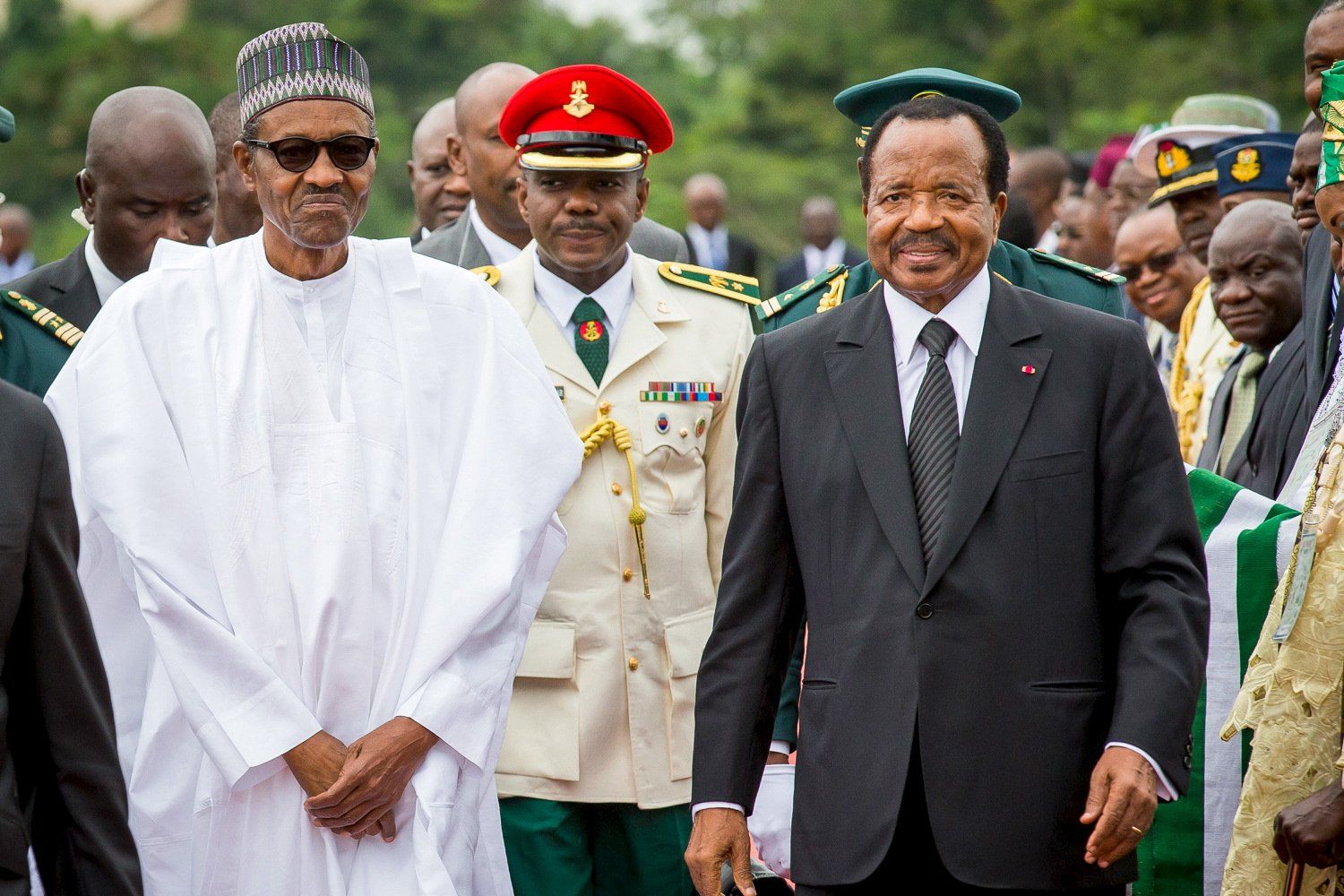
If/when reelected, Biya will extend his rule to 2032 – at which point, he’ll be 98 years old (take that Joe Biden).
President Biya and the first lady have not commented on their daughter’s announcement, which will likely affect her ability to return to her home country. Activists have already filed a complaint against her to the public prosecutor,saying “no one is above the law.”
Except her father, of course.