Russia tries to control the message, literally.
The Russian government has begun blocking the popular messaging apps WhatsApp and Telegram in a sweeping crackdown aimed at forcing Russians to use a state-backed alternative called MAX, which critics say would enable censorship and surveillance. The move is part of the Kremlin’s broader drive for Chinese-style “technological sovereignty” from Western media and social media platforms since Putin’s 2022 full-on invasion of Ukraine. But the latest moves have generated some backlash among Russians (especially soldiers and military bloggers) who have come to rely on Telegram for unfiltered information. Unlike China, which mostly banned Western tech platforms from the outset, Russia has long been accustomed to access. Can Putin really rip that away now?
Milei’s midterm success starts to pay dividends
Argentina’s Senate passed President Javier Milei’s signature labor reform bill on Thursday, a major priority for the libertarian leader’s ambitious agenda to spur the economy. The expansive bill would introduce incentives for workers to join the formal economy, place caps on redundancy payments, and put limits on the right to strike – all with the aim of boosting Argentina’s meager employment numbers. Lawmakers removed a provision that would have cut the income tax rate from 35% to 31%. Milei had been unable to advance the bill in his first two years in office, but, after his La Libertad Avanza (LLA) party triumphed in the midterms, he had sufficient support to get the bill through the upper chamber. The bill will head to the lower house, with the LLA hoping for a vote by Feb. 27.
El Paso airport confusion draws US attention to drones and cartels
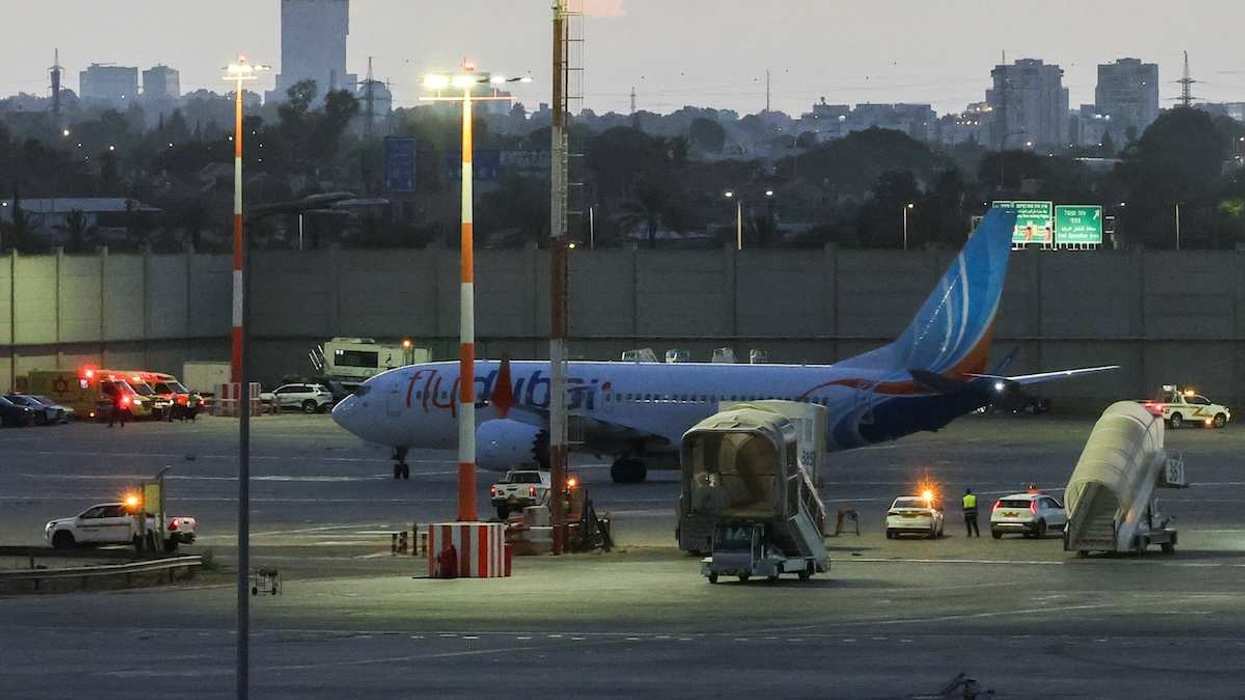
For a few hours on Wednesday, a small airport in Texas became a scene of international confusion when the US’s Federal Aviation Administration ordered flights out of El Paso to be grounded for 10 days. FAA officials said the order was in response to a Mexican cartel drone breaching US airspace, but others privately told the reporters it was because border officials were using counter-drone technology without the FAA’s knowledge. While US officials have warned that drones are increasingly becoming a tool used to ship drugs, Mexico, for its part, said there was no information this week about drones near the border. The confusion has heightened tensions between the US and Mexico and raised concerns that the White House plans to up the ante against the cartels.