What We're Watching
Germany’s political center suffers historic blow, Turkey weighs coming to Saudi Arabia’s aid, Major TV networks support outlets banned from White House
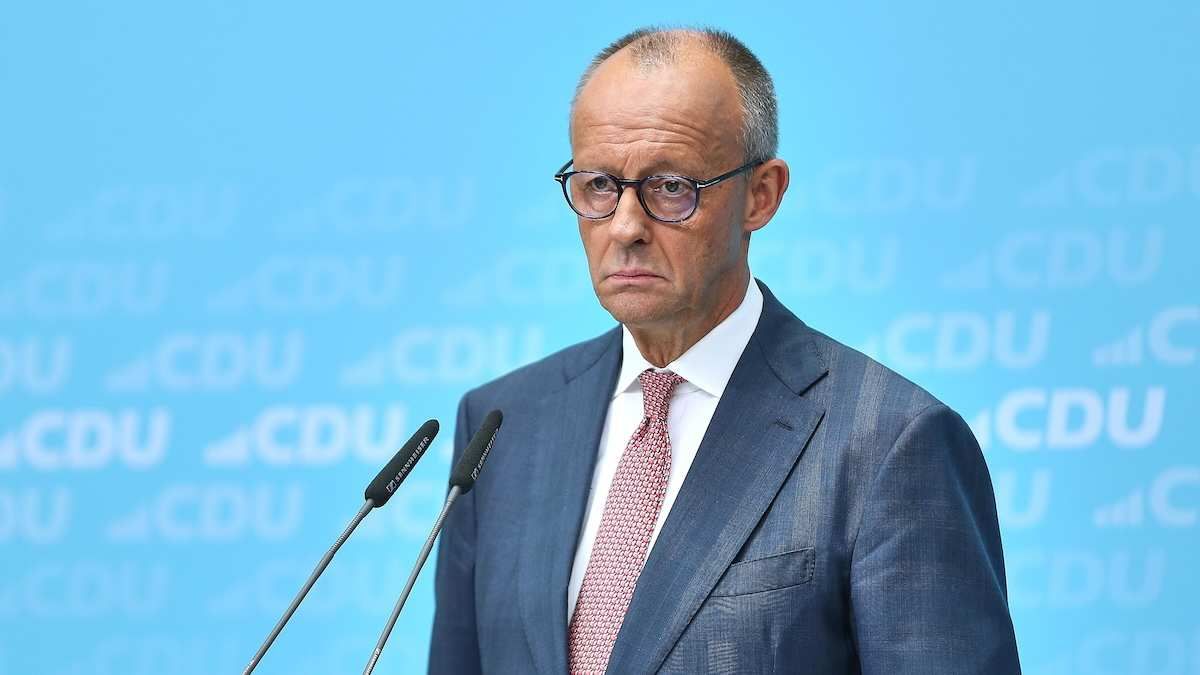
ddp/dts Nachrichtenagentur via Reuters Connect
Two weeks ago, German Chancellor Friedrich Merz was “shocked” when his conservative CDU party got creamed by the hard right AfD in local elections in the state of Saxony-Anhalt. That was just the start. Now his shock has given way to “disaster” as the CDU failed to even pass the 5% threshold in yesterday’s vote in Mecklenburg-Vorpommern, which the AfD also won. Meanwhile, in Berlin, the hard left Die Linke party topped the vote, beating the Social Democrats who are currently in a coalition with Merz at the national level. Merz, an aloof and unpopular leader who has struggled to push through reforms and corral his unwieldy coalition, has pledged to stay in power despite growing calls to oust him. Whether he stays or goes, the bigger picture remains: Germany’s post-war establishment parties are in severe crisis, as populists on both the left and right speak more effectively to popular concerns about economic malaise and mass immigration.
Saudi Arabia is looking for help in its fight against the Houthis. The US appeared ready to come to the kingdom’s aid over the weekend, only to back out of planned strikes in Yemen at the last minute. But Saudi Arabia may now get help from an old rival: Turkey. The Turkish Foreign Minister said Ankara is prepared to provide some military support to the kingdom. Military assistance from Turkey would mark a drastic shift in relations, as both have backed opposing sides across multiple conflicts in the Middle East: Turkey opposed the Saudi-led blockade of Qatar in 2017, and has typically supported Islamist movements like the Muslim Brotherhood that the Saudis see as a threat to the monarchy. The two also diplomatically clashed after the 2018 murder of Saudi journalist Jamal Khashoggi in Istanbul. With its traditional security relationships looking increasingly uncertain, Saudi Arabia is casting a wider net, even if that means turning to former rivals.
The five major networks covering the White House will not participate in pool coverage this week after the Trump administration banned CNN, MS NOW, and Politico from the White House on Friday. ABC, CBS, NBC News, Fox News, and now-banned CNN issued a joint statement saying that “no administration should restrict a news organization because it objects to its reporting.” The banned outlets have also sued on First Amendment grounds and are seeking a restraining order to block the action, which could lead to emergency hearings in DC as early as this week. Posting on Truth Social, US President Donald Trump claimed that he cherished the free press but lambasted “FAKE NEWS.” His presidency has seen the US fall seven places in the Reporters Without Borders press freedom rankings since 2025 as he continues to sue news outlets whose coverage he disagrees with, several of which have resulted in multi-million- dollar settlements.
Over the past two weeks, President of El Salvador Nayib Bukele has sent around 2,000 troops to Haiti to rescue four Salvadoran nationals working in Haiti who were kidnapped by gangs. But the self-proclaimed “world’s coolest dictator” may have bigger ambitions.
In the end, the long-predicted “blue wave” turned into a tsunami as the Democrats, harnessing widespread frustrations over high living costs, opposition to the war in Iran, and misgivings about Trump’s deportation policies, swept back to power on Capitol Hill.
Last night’s wins were not only pivotal, but also broke multiple glass ceilings in American politics.
The elections are widely seen as a referendum on the African National Congress (ANC), the party that has governed South Africa since the end of apartheid, amid frustration over pervasive corruption, crumbling public services, and rising migration.