News
Hard Numbers: US chip war hits Chinese tycoons, Nigerian gay wedding raid, Taliban ban women from college, EU solar surge
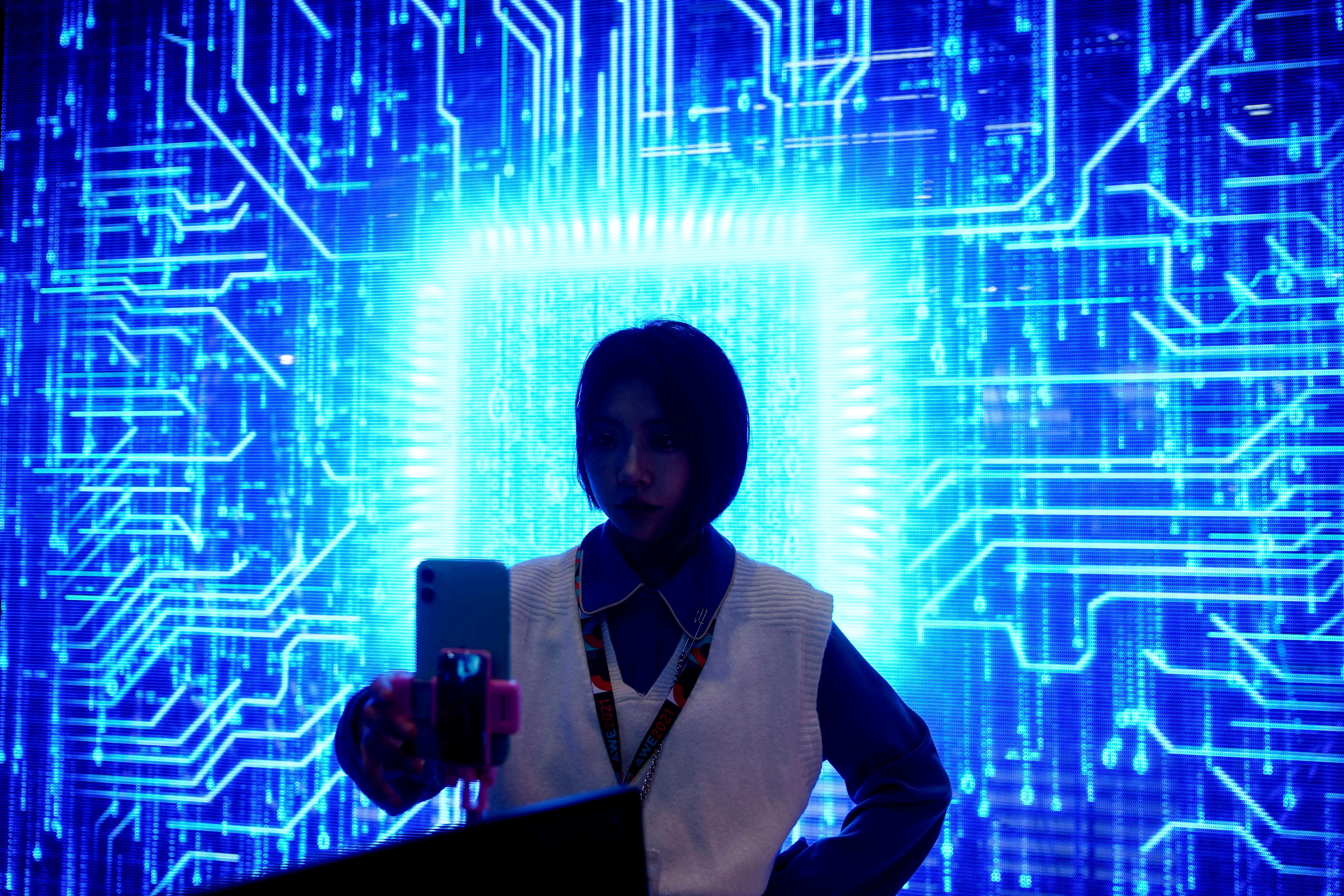
A woman visits a semiconductor device display in Shanghai, China.
Reuters
28: The US tech war on China's semiconductor industry is hitting Chinese tycoons where it hurts most — their wallets. According to a private survey, the combined private wealth of China's top 100 richest chip bosses has dropped by a whopping 28% this year.
19: Islamic police arrested 19 people accused of organizing a gay wedding in Kano, one of 12 states in northern Nigeria that enforce sharia law — which mandates the death penalty for same-sex relationships. The couple, who did not get hitched, is on the run.
0:: That's how many women the Taliban will allow to attend university in Afghanistan from now on. The hardline Islamic regime had already limited the subjects women could study in college and separated them from men, but this latest move confirms that the Taliban 2.0 is a carbon copy of its first iteration from 1996-2001.
47: Solar energy generation in the EU has surged by 47% so far this year compared to 2021, as this renewable source is fast becoming an affordable solution to high energy prices across the bloc. Germany added the most solar power, closely followed by Spain.On GZERO World with Ian Bremmer, Yeganeh Torbati takes us inside the lives of ordinary Iranians after the war, where fear, repression, and economic hardship are shaping an uncertain future.
Think you know what's going on around the world? Here's your chance to prove it.
The Ebola outbreak reached a grim milestone on Thursday.
US President Donald Trump said he would grant Ukraine a license to manufacture Patriot air-defense missiles during the NATO meeting in Turkey on Wednesday, fulfilling a longstanding request from Kyiv.