April 28, 2025
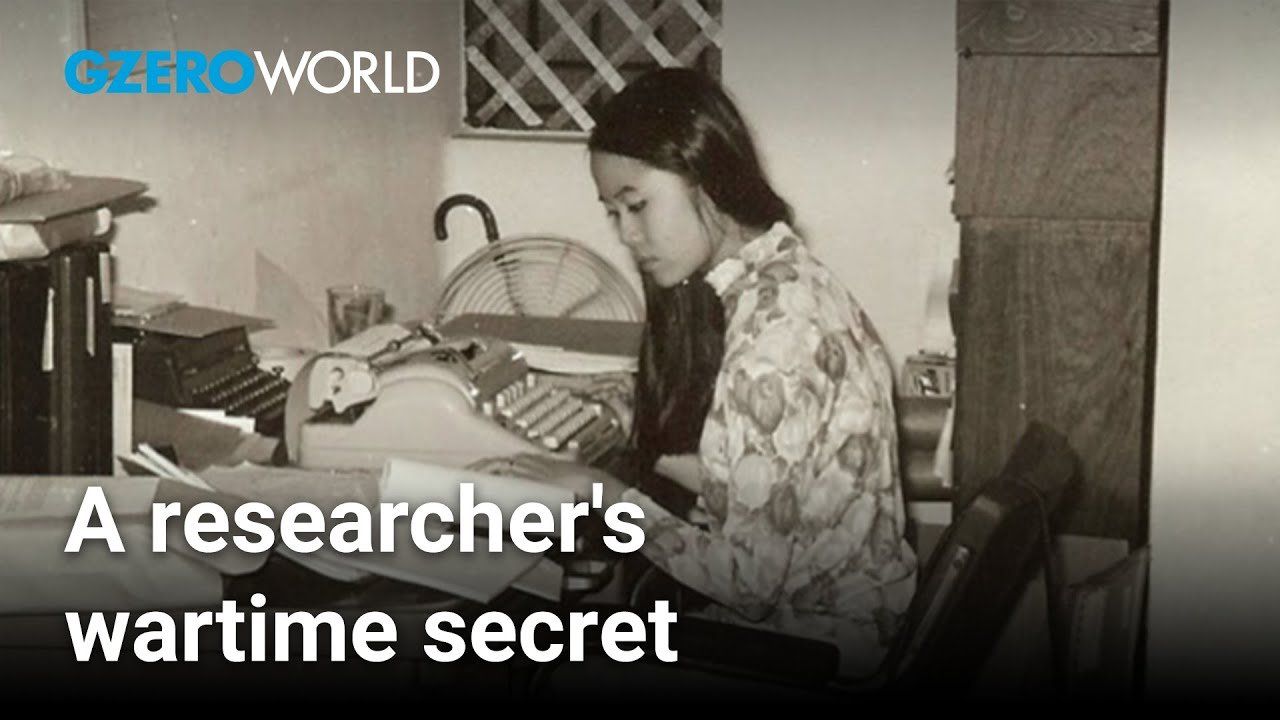
On GZERO World with Ian Bremmer, Mai Elliott recalls how witnessing the human toll of the Vietnam War firsthand changed her views—and forced her to keep a life-altering secret from her own family.
As a young researcher in Saigon working for the RAND Corporation during the Vietnam War, Mai Elliott had a rare window into the lives of North Vietnamese fighters and rural civilians. What she saw challenged everything she had been raised to believe. “I came from a very anti-communist family... but I began to change my views because I thought it was unjust for the peasants to pay for the cost of the war,” she says.
Elliott eventually became quietly anti-war, even lobbying members of Congress to stop funding the conflict—but she kept it hidden from her family. “I never told them... I think they would’ve felt I was betraying them,” she admits.
Watch full episode: 50 years after the Vietnam War
GZERO World with Ian Bremmer, the award-winning weekly global affairs series, airs nationwide on US public television stations (check local listings).
New digital episodes of GZERO World are released every Monday on YouTube. Don't miss an episode: subscribe to GZERO's YouTube channel and turn on notifications (🔔).GZERO World with Ian Bremmer airs on US public television weekly - check local listings.
More For You
- YouTube
With Israel and the US heading to the polls, could elections change the course of the Middle East’s conflicts? Brett McGurk joins Ian Bremmer to discuss the Iran war, escalating Houthi attacks, and whether Washington has a strategy to contain the turmoil.
Most Popular
Think you know what's going on around the world? Here's your chance to prove it.
Argentina's President Javier Milei visits the Western Wall, Judaism's holiest prayer site during his tour in Jerusalem's Old City, February 6, 2024
REUTERS/Ammar Awad
Even as Israel grows increasingly isolated on the world stage, there is one region where a whole swath of newly-elected leaders can't seem to get enough of the Jewish State: Latin America.
© 2025 GZERO Media. All Rights Reserved | A Eurasia Group media company.