GZERO World Clips
Women have borne the economic brunt of the pandemic
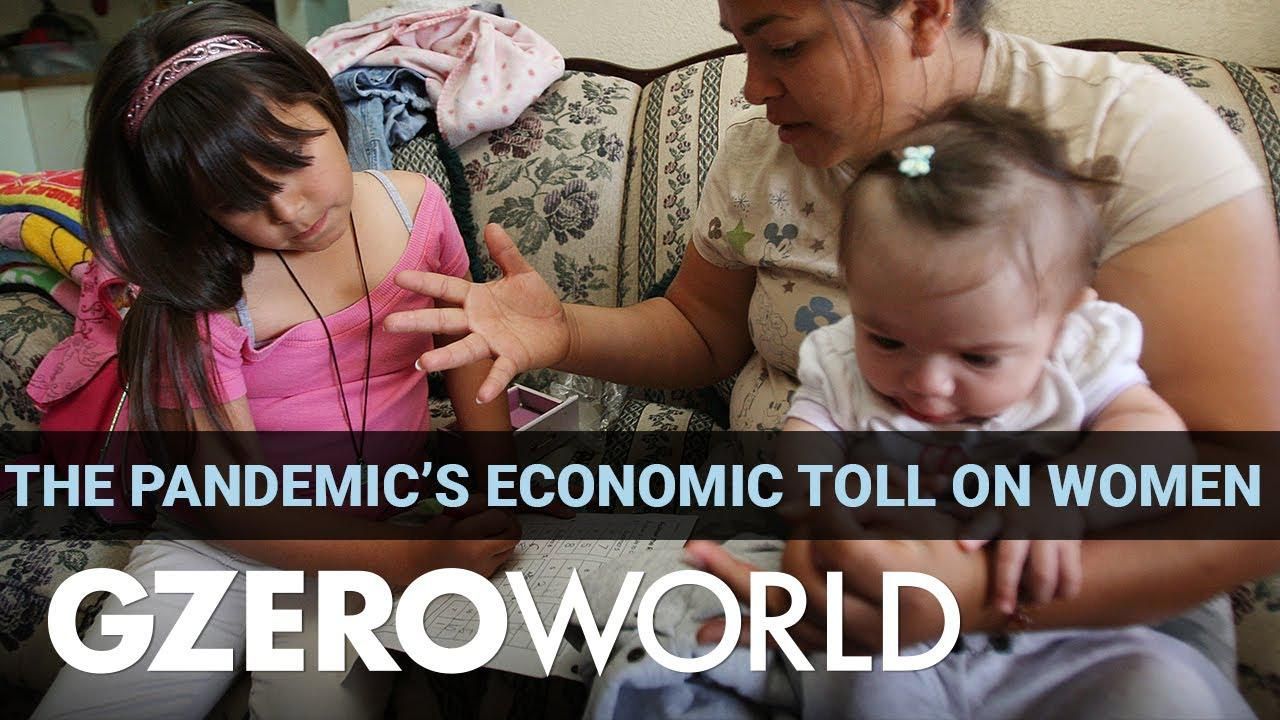
Why Women Have Borne the Economic Brunt of the Pandemic | GZERO World
It's no secret that women around the world have shouldered much of the burden brought about by the COVID-19 pandemic, especially when it comes to unpaid labor. As London School of Economics director Minouche Shafik points out in this week's episode of GZERO World, on average in the world women do two hours more unpaid work per day than men. And whether we're talking Norway or Pakistan, women have been doing more than their fair share for a long time before COVID hit. So how do women come back from what Shafik calls "the biggest change in the social contract in decades?" That's a major focus of this week's show.
Watch the episode: Is modern society broken?
Bill Maher says Donald Trump has pushed the limits of presidential power, but America's system of checks and balances is still holding.
In addition to the health concerns from the Ebola outbreak, the UN is sounding the alarm on a potential development crisis in Africa sparked by the disease.