Skip to content
Search

Latest Stories

women and the pandemic

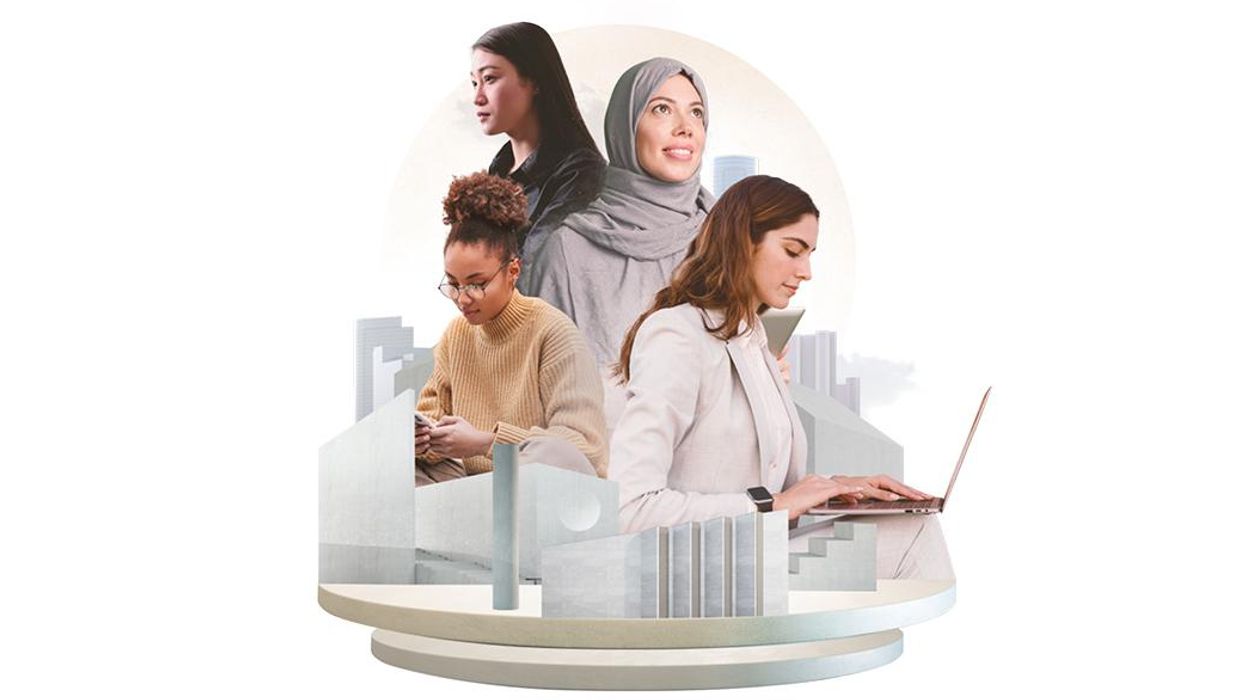
COllage of women working. How closing the gender gap drives economic growth
Living Beyond Borders Podcasts

Episode 8: How closing the gender gap drives economic growth

Listen: On the latest episode of Living Beyond Borders, we look at the impact women have in 2022 on the U.S. and global economy. After some progress in the number of women in leadership positions and running businesses, the COVID-19 pandemic saw a setback for millions of women, especially those responsible for childcare. We'll look at how they are faring, and the gains women around the globe stand to obtain in the coming years.

Why pandemic was "perfect storm" for violence against women: Dr. Okito Wedi
Science & Tech

Why pandemic was "perfect storm" for violence against women: Dr. Okito Wedi

Gender-based violence tends to jump in any emergency situation, and the pandemic was no different. During COVID-related lockdowns around the world, Creative Development CEO Dr. Okito Vanessa Wedi says the home was no safe space for women. "Preexisting toxic social norms, together with actually being in a pandemic, losses of jobs, anxiety about the future [and] the restriction of movement" all created a "perfect storm" that turned partners into abusers.

Minouche Shafik: Keeping talented women working is good for the economy
Science & Tech

Minouche Shafik: Keeping talented women working is good for the economy

More women are now going to college than men, but much of that talent later goes to waste. Why? For London School of Economics Director Minouche Shafik, the problem is that we don't have systems in place to retain talented women in the workforce in crisis situations like the pandemic, when so many women had to quit their jobs and stay home to take care of their kids.

Women have borne the economic brunt of the pandemic
GZERO World Clips

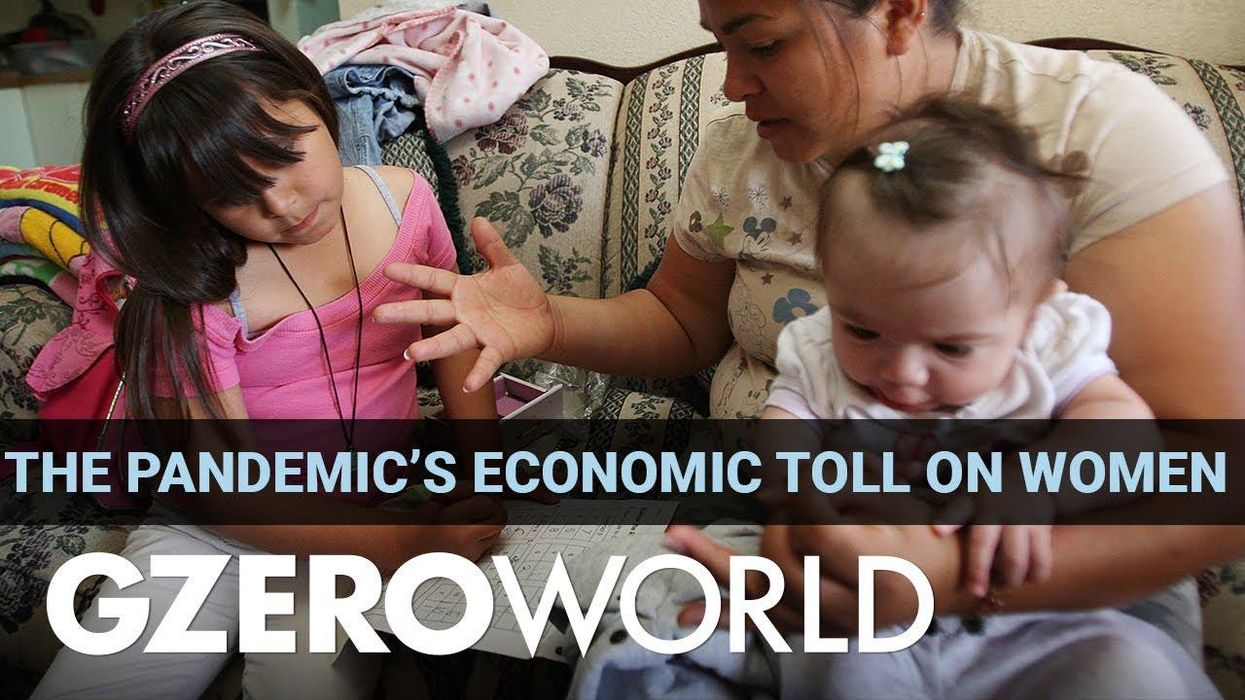
Women have borne the economic brunt of the pandemic

How quickly can we recover the costs of the pandemic's disproportionate toll on women? In the wake of COVID, Minouche Shafik says we need to restore equilibrium back into the social contract.