Skip to content
Search

Latest Stories

single-use plastics

Making plastic industry sustainable is corporate self-interest
Climate

Making plastic industry sustainable is corporate self-interest

Plastics are essential for Asia, but for Ian Bremmer the way the industry works right now is incompatible with the region's targets to fight climate change. Very soon, though, he predicts there will be "immense gravitational pull" to do things differently. Once the way Asian companies use plastics now becomes outdated, he says, it's only a matter of time before they change out of their own self-interest.

To invest in recycling plastics, embrace risk and watch where you divest: JBIC's Tadashi Maeda
Climate

To invest in recycling plastics, embrace risk and watch where you divest: JBIC's Tadashi Maeda

Tadashi Maeda, governor of the Japan Bank for International Cooperation, believes there's huge potential for new technology to solve the global problem of plastic pollution via recycling. But to do so, he says companies should first be a bit less risk-averse with new ways of doing things, and don't rush to divest from countries that not only consume a lot of single-use plastics but also burn much coal like Indonesia or Vietnam.

“Fine words” on climate aren’t enough: UN Environment Chief Inger Andersen
GZERO World Clips

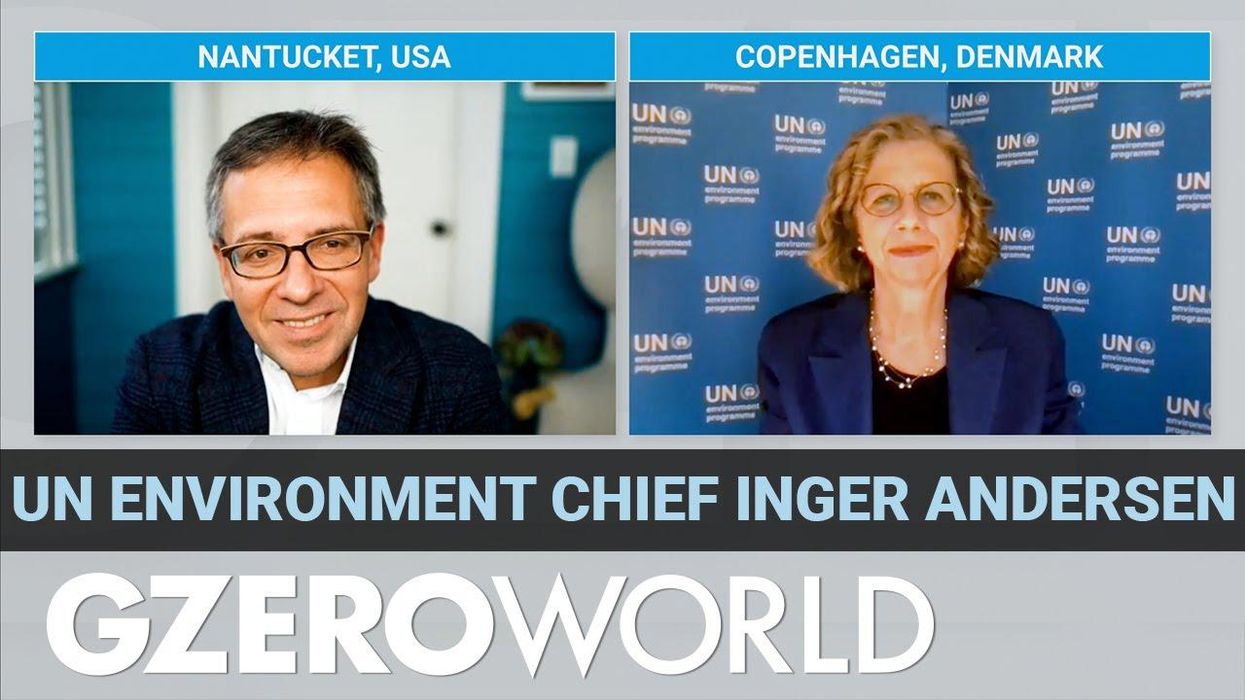
“Fine words” on climate aren’t enough: UN Environment Chief Inger Andersen

On GZERO World, Ian Bremmer speaks with Inger Andersen, Executive Director of the UN Environment Program. Will the UN Climate Conference (COP26) produce lasting change or just more hot air? The world's top 20 economies, Andersen says, are responsible for over three-quarters of global carbon emissions, so if they "make the requisite shifts, frankly we are out of the climate crisis."

Single-use plastics are the new ozone layer, says UN environment chief
GZERO World Clips

Single-use plastics are the new ozone layer, says UN environment chief

If you get caught with a plastic bag in Nairobi these days, you're on the hook for $1,000. That's because Kenya has signed up to a "circular economy" that bans single-use plastics, so there's no choice but to recycle. UN Environment Programme Executive Director Inger Andersen says more nations are finally responding to growing public awareness about plastic pollution, which she thinks could drive policy change like the hole in the ozone layer did decades ago.

"We just don't have time to mess around" on plastics pollution
Climate

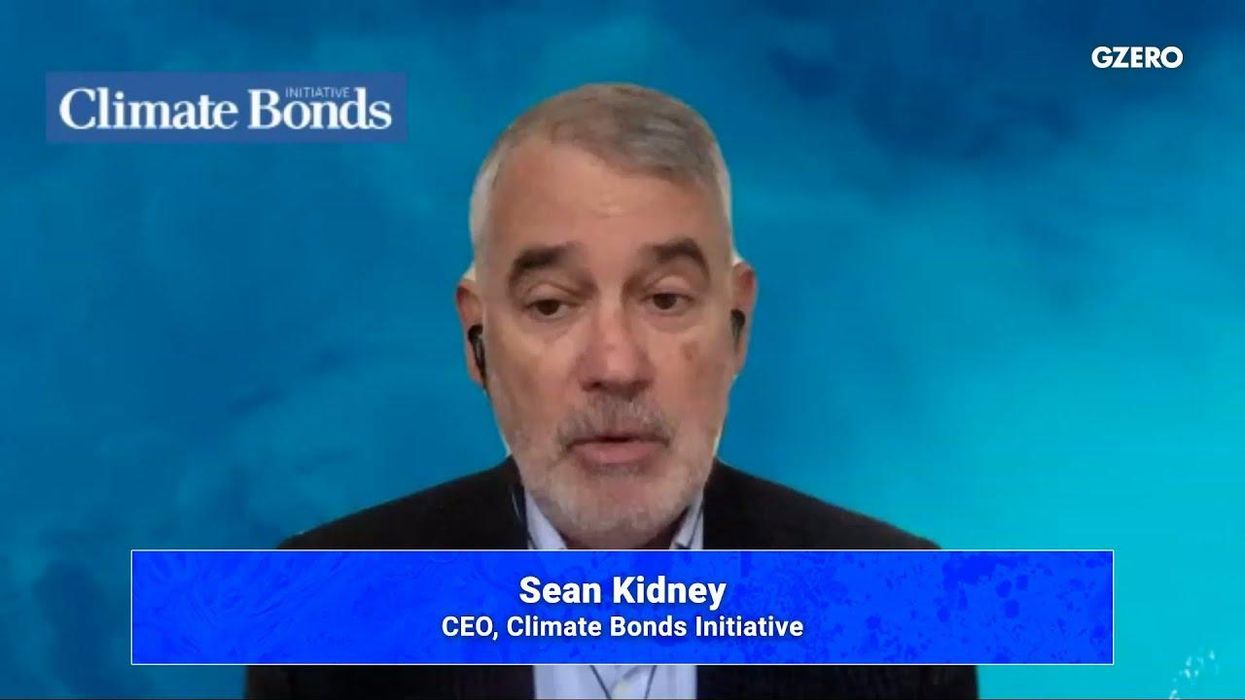
"We just don't have time to mess around" on plastics pollution

Plastic pollution has caused a lot of damage to the environment — including a staggering loss of biodiversity that will soon affect humans. For Climate Bonds Initiative CEO Sean Kidney, the critical way to reverse this trend is to switch all production to biodegradable right now. "It's got to be everything, and we've got to do it fast. We just don't have time to mess around. There's been a lot of talk, a lot of talk for 10 years, not enough action. Whew. Time to change."

Surviving a warming planet
GZERO World with Ian Bremmer

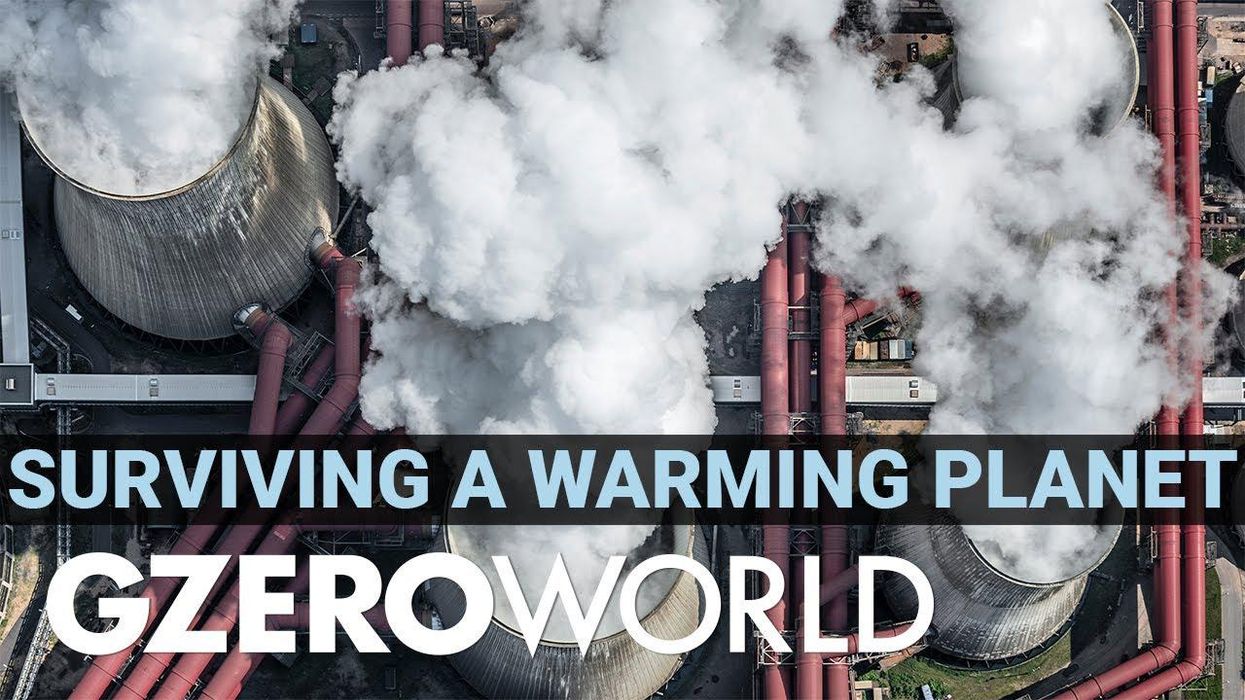
Surviving a warming planet

Fires, floods, and droughts. Climate change is already happening but so far humans have been slow to react. Will the UN Climate Conference (COP26) produce lasting change or just more hot air? On GZERO World, Ian Bremmer speaks with Inger Andersen, Executive Director of the UN Environment Program. Plus, a look at what's driving the United Kingdom's fuel shortage.

Refuse single-use plastics — but not the rest: Aloke Lohia
Climate

Refuse single-use plastics — but not the rest: Aloke Lohia

Refusing single-use plastics is okay, but Aloke Lohia, CEO of Indorama Ventures, believes all other plastics should be given "a fair chance" at recycling. Lohia says that some plastics are already 100 percent reusable, while chemical recycling is "just around the corner."

What's the "circular" economy?
Climate

What's the "circular" economy?

Wouldn't the world be a better place — and a more efficient economy — if most raw materials, especially plastics, could be recycled over and over again? That's the whole principle behind what Circulate Capital CEO Rob Kaplan calls the "circular" economy of the future, which'll upend global supply chains by doing away with much of their waste.

Focus on applying existing tech to recycle plastics — Suntory CEO Tak Niinami
Climate

Focus on applying existing tech to recycle plastics — Suntory CEO Tak Niinami

Single-use plastics have become a big pollution problem in Asia — which technology can help solve. Suntory CEO Tak Niinami hopes that not only new but also existing tech that hasn't been applied yet can really be a game-changer on plastics recycling in Asia, where there's no one-size-fits-all solution for all countries.

To save the oceans, refuse & raise awareness about single-use plastics, says Hannah Testa
Climate

To save the oceans, refuse & raise awareness about single-use plastics, says Hannah Testa

We always hear about the "three Rs" — reduce, reuse, and recycle — of sustainable waste management. But when it comes to single-use plastics, climate activist Hannah Testa likes to add two more: refuse and raise awareness. What's more, she says it's crucial to connect the problem with climate by showing the damage that single-use plastic waste is doing to the oceans, the world's biggest carbon sink and whose health is a good temperature check on the entire planet.