Analysis
The world’s coldest hot spot
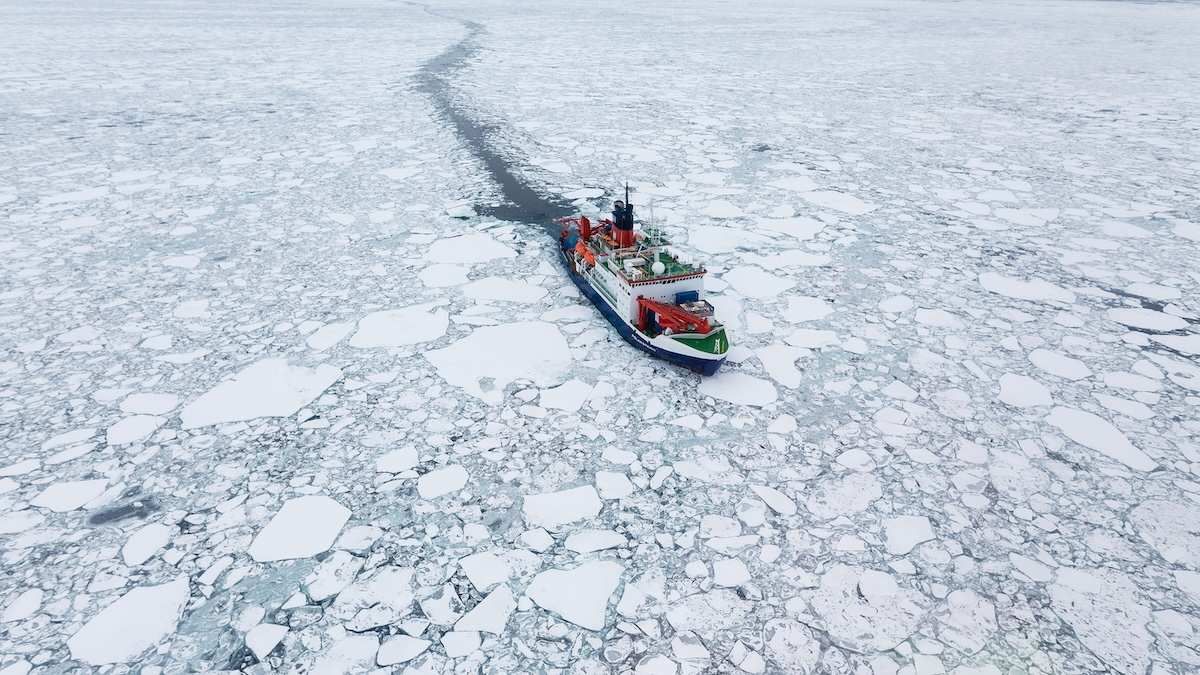
September 28, 2019, Arctic Sea, Arctic: Polarstern in Arctic sea ice. MOSAiC is the largest polar expedition in history.
Stefan Hendricks/AWI via ZUMA Wire
This Thursday, Denmark’s Parliament will hold a final vote on a landmark agreement expanding US military presence in Greenland. The deal, which Greenland ratified earlier this month, follows nearly two years of tension over US President Donald Trump’s demands for greater American control of the island. While it reaffirms Danish sovereignty and Greenlanders’ right to self-determination, italso grants the US access to two new areas of the island,opens the door to elements of Trump’s proposed “Golden Dome” missile defense system, and gives Washingtongreater influence over foreign investments in natural resources.
But when it comes to the Arctic’s future, this news may be just the tip of the iceberg. Climate change continues to transform the North from a frozen frontier into an increasingly important arena of geopolitical competition. Today, the area iswarming nearly four times faster than anywhere else on the planet, melting sea ice, opening new shipping routes, exposing previously inaccessible deposits of oil, gas and critical minerals – and drawing interest from countries eager to exploit the region's economic and strategic opportunities.
Drill, baby, drill? Earlier this month, Canadian Prime Minister Mark Carneyraised the possibility of lifting his country’s decade-old moratorium on offshore Arctic oil and gas exploration. Former Prime Minister Justin Trudeau and US President Barack Obama enacted the ban to protect the region’s fragile environment. The US reversed its restrictions during Trump’s first term, and this month, Ottawa allocated $7.7 million over four years to oversee potential oil and gas development in the Arctic Ocean.
Carney insists these funds will support“engagement” with indigenous communities on the issue, not a unilateral decision to lift the ban. But the leaders of Canada’sthree majority-indigenous Arctic territories areadvocating resource development to boost economic growth, aligning with Carney's ambition to transform Canadainto an energy superpower.
The US could also see more oil exploration in Alaska. The Trump administration wants to fast-track permitting for oil and gas drilling in the Western Arctic, with new proposals that would roll back environmental reviews. Mary Peltola,the Democratic contender (and possible winner) in the state’s Senate race,too, supports expanding fossil fuel production and refining in Alaska.
Russia and China up the ante. Both countries have long-standing ambitions in the Arctic region. China declared itself a “Near-Arctic state” in 2018, advocating for the creation of a“Polar Silk Road” to expand on its existing global shipping infrastructure. More recently, Russia has diverted shipping to northern routes to avoid security risks from fighting with Ukraine in the Black and Baltic seas. Russia has also increased its military presence in the north, promptingthe Center for European Policy Analysis to warn of the growing threat of armed conflict in the Arctic due to Moscow’s territorial ambitions. For China, the Northern Sea Route also offers a shorter journey to Europe than through the Suez Canal, cutting shipping time by 10 to 14 days.
In late October, Moscow and Beijingformally deepened their Arctic cooperation, pledging to increase northern shipping, jointly build polar vessels, and support businesses operating in the region. The move came after the European Commission unveiled anew Arctic Strategy to increase cooperation on icebreakers to open Arctic shipping lanes, economic development, and critical mineral extraction.
NATO on alert. The alliance has boosted its northern presence over the past decade, welcoming Finland and Sweden as members and deploying new surveillance, exercises, and military deployments to counter Russian threats. NATO is particularly concerned about sabotage of undersea cables and potential cyberattacks on infrastructure, including ports and fuel depots, that could disrupt civilian life.
The alliance also routinely conducts military exercises in the north and recently added amphibious robots capable of operating on land and water, in conditions too dangerous for humans. Launched in June under “Task Force X-Arctic,” the uncrewed vessels are part of NATO’s push to adapt to the region’s harsh terrain and growing strategic importance. The Arctic may be warming, but the competition for its control is heating up even faster.
Last week, a US federal appeals court issued an important ruling reinforcing journalists' ability to protect confidential sources. The decision follows LinkedIn's challenge to government orders seeking journalists' online data and restricting notification. Microsoft welcomed the ruling as an important step toward stronger privacy protections and continues to call for reforms that ensure government secrecy demands are appropriately limited and subject to judicial scrutiny. Read more here.
AI is getting smarter, faster, and potentially more dangerous. Ian Bremmer explains why governments are struggling to regulate such fast-moving technology, and why competition with China is making it especially difficult.
What will it take to bring thousands of Ukrainian children home? As Russia’s war against Ukraine continues, the fate of children taken from their families has become an urgent international challenge, raising difficult questions about justice, accountability, and the path to lasting peace.
This week’s biggest news story reads like a spy thriller.