
Trending Now
We have updated our Privacy Policy and Terms of Use for Eurasia Group and its affiliates, including GZERO Media, to clarify the types of data we collect, how we collect it, how we use data and with whom we share data. By using our website you consent to our Terms and Conditions and Privacy Policy, including the transfer of your personal data to the United States from your country of residence, and our use of cookies described in our Cookie Policy.
{{ subpage.title }}
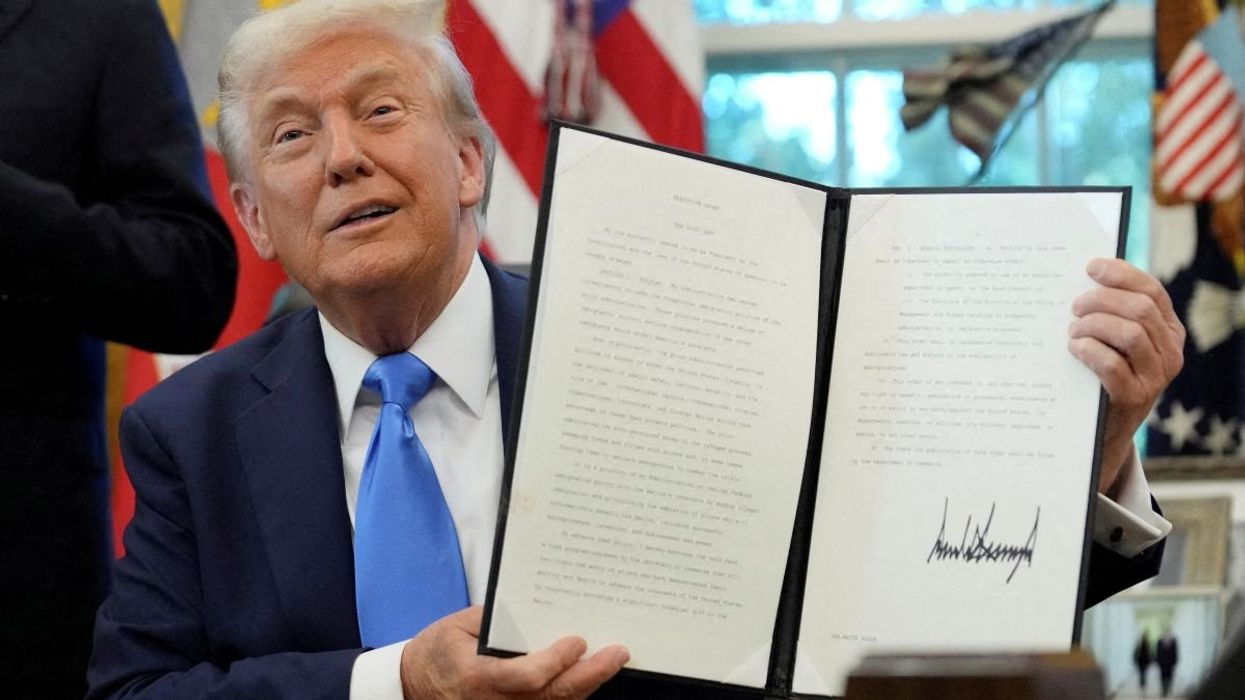
US President Donald Trump displays a signed executive order on gold card visa in the Oval Office at the White House in Washington, D.C., USA, on September 19, 2025.
Hard Numbers: Trump admin introduces visa fee, Ransomware flies through European airports, Drone strike in Sudan kills 78, US bombs third boat from Venezuela
$100,000: The Trump administration introduced a $100,000 one-time fee for those who wish to obtain a H-1B visa. The initial announcement sparked upheaval among major US firms, as it appeared to suggest that there would be an annual $100,000 fee for the visa. The White House clarified that it would be a one-off payment, and wouldn’t apply to existing visaholders. The majority of H-1B visaholders are Indian nationals.
140: A ransomware attack that struck several major European airports on Friday continues to sow chaos, with Brussels Airport asking airlines to cancel 140 of the 276 scheduled outbound flights on Monday. The source of the attack remains unclear.
78: A drone strike on a mosque in El Fasher, in North Darfur, on Friday killed 78 people, per a local medic. The rebel Rapid Support Forces have been blamed for the attack, though they deny responsibility. Drones have expanded the scope of Sudan’s civil war, putting more and more civilians at risk – read more here.
3: A pattern is beginning to emerge, as the US military – for the third time in recent weeks – bombed a boat that was reportedly carrying drugs from Venezuela. The attack killed three people on board. US President Donald Trump has argued that the move is legal, since drug cartels in his view are foreign terrorist organizations.
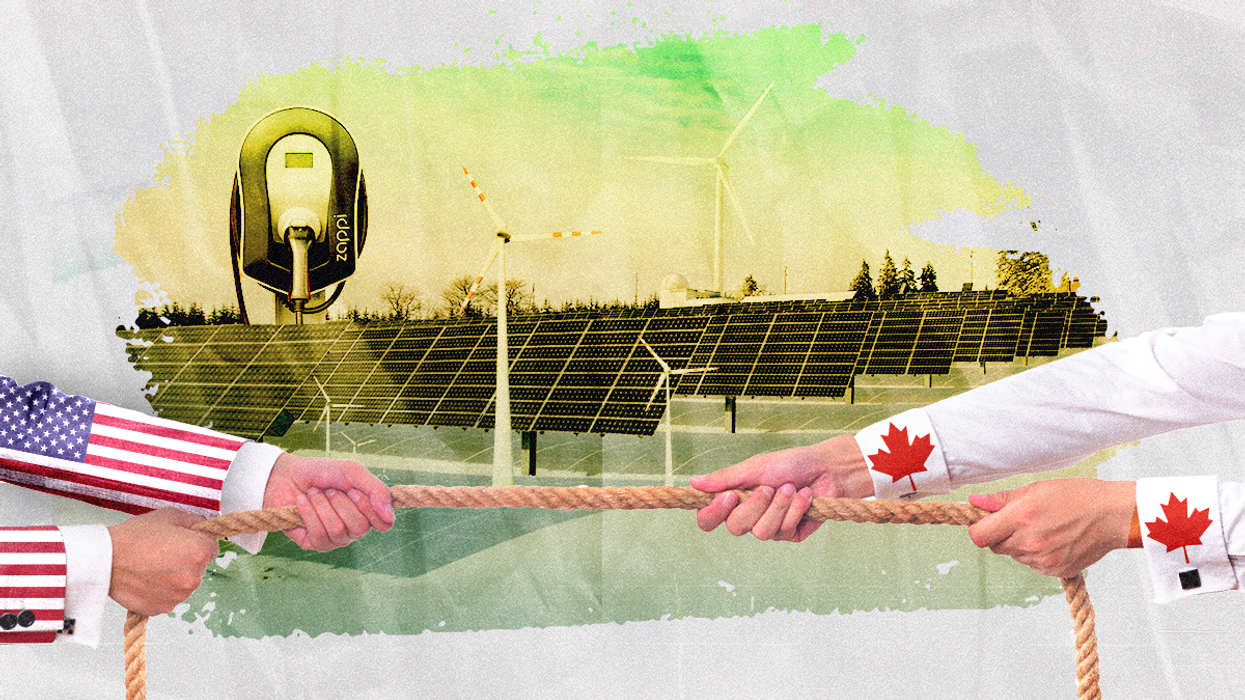
Tug of war rope between US & Canada over green subsidies and tech workers.
Hard Numbers: Canada snaps up US tech workers, greenhouse gasses surpass grim mark, green hydrogen comes to Quebec, shrimp paste alarm
6,000: Nicely played, Canada. Back in July, as US tech giants were laying off tens of thousands of employees, Canada seized the moment, changing its immigration rules to permit US H-1B visa holders to get work visas in Canada. So far this year, more than 6,000 holders of the US visa have relocated north of the border.
50: Atmospheric levels of carbon dioxide — the most pernicious of the greenhouse gasses — have exceeded their pre-industrial levels by 50% for the first time, according to a new study by the World Meteorological Organization. As we told you last week, Canada and the US are among the top offenders when it comes to slacking on commitments to reduce the production of fossil fuels, a major contributor to greenhouse gas emissions.
4 billion: On the plus side, the clean energy rivalry between the US and Canada continues to heat up, as Belgium’s Tree Energy Solutions has committed to building a $4 billion synthetic natural gas plant in Quebec. Canada finds itself in stiff competition with the massive subsidies that the Biden administration has offered to the industry in the US, with Canadian lawmakers warning of a “subsidy war.” As long as the Earth’s atmosphere is the big winner of that conflict, we say … let the battles begin.
37: What do brush mowers, baby pillows, shrimp paste, and dozens of early 2010s BMWs and Mini Coopers have in common? They are all among at least 37 different products that were recalled for safety reasons in Canada over the past week. The shrimp paste has mystery ingredients, the baby pillows can suffocate babies, and the cars catch on fire. It’s a wild time to be alive — stay safe out there, folks!
