April 13, 2018
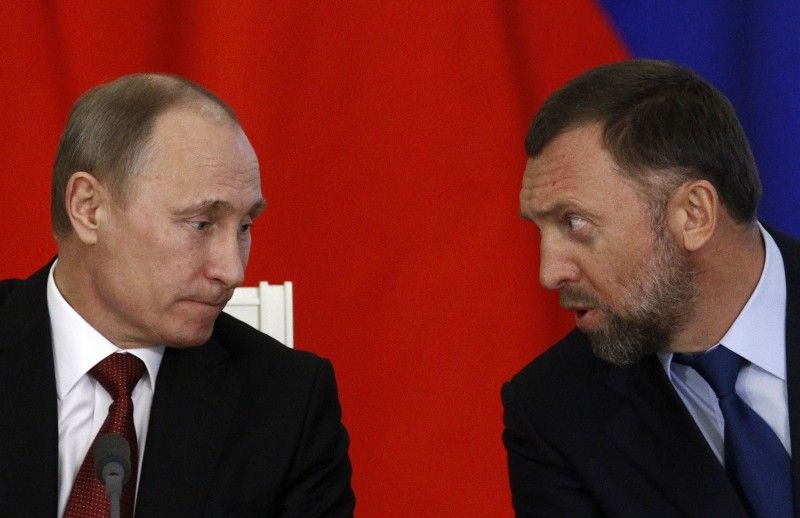
New US sanctions, announced last Friday by the Trump administration, target seven Russian oligarchs, 12 Russian companies, and 17 state officials. The news reportedly cost companies controlled by aluminum tycoon Oleg Deripaska more than $6 billion in market value in the first two days of trading following the announcement. That’s a lot of pain, even for a man who can afford it.
Devil’s advocate: If the point is to pressure those closest to Putin to push the Russian president toward better behavior, it’s not going to work. Russia’s vertical power structure ensures the wealthy and well-connected depend almost entirely on Putin for their wealth and connections. In times of hardship, they depend even more on his good will. Far from making Putin a liability for those around him, sanctions reinforce his importance for them. In fact, the Russian government has already stepped in with financial help for Deripaska’s Rusal, the country’s lead aluminum producer. Impose these penalties to punish aggression, but don’t expect them to upend Putin any more than they’ve destabilized the Castros and Kims.
More For You
- YouTube
In this episode of ask ian, Ian Bremmer explains why Ukrainian President Volodymyr Zelensky enters his latest White House meeting with President Trump in a stronger position than he did just a few months ago.
Most Popular
Competitive pay. 401(k) contributions upon employment and 6% company match once eligible. Up to 16 weeks of combined paid maternity and parental leave. These benefits and more inspire generations – Daidrian’s 18-year Walmart journey motivated her son Jonothan to launch his own career as a Walmart associate. Learn more.
US consumers have spent nearly $74 billion more on gasoline and diesel since the war in Iran began in February
Last week, Microsoft joined more than 100 companies to publish an open letter on the importance of open-weight AI models in expanding access to AI and giving organizations greater control over the technology they use. The paper draws parallels to the open-source software movement, positioning open-weight models as an important foundation for a broad and competitive AI ecosystem while emphasizing the need for responsible safeguards. Read the letter here.
© 2025 GZERO Media. All Rights Reserved | A Eurasia Group media company.