Nearly a month ago, the US and Israel started a war with Iran. Over 2,000 miles away, one continent that wants little to do with the war is nevertheless uniquely impacted: Europe.
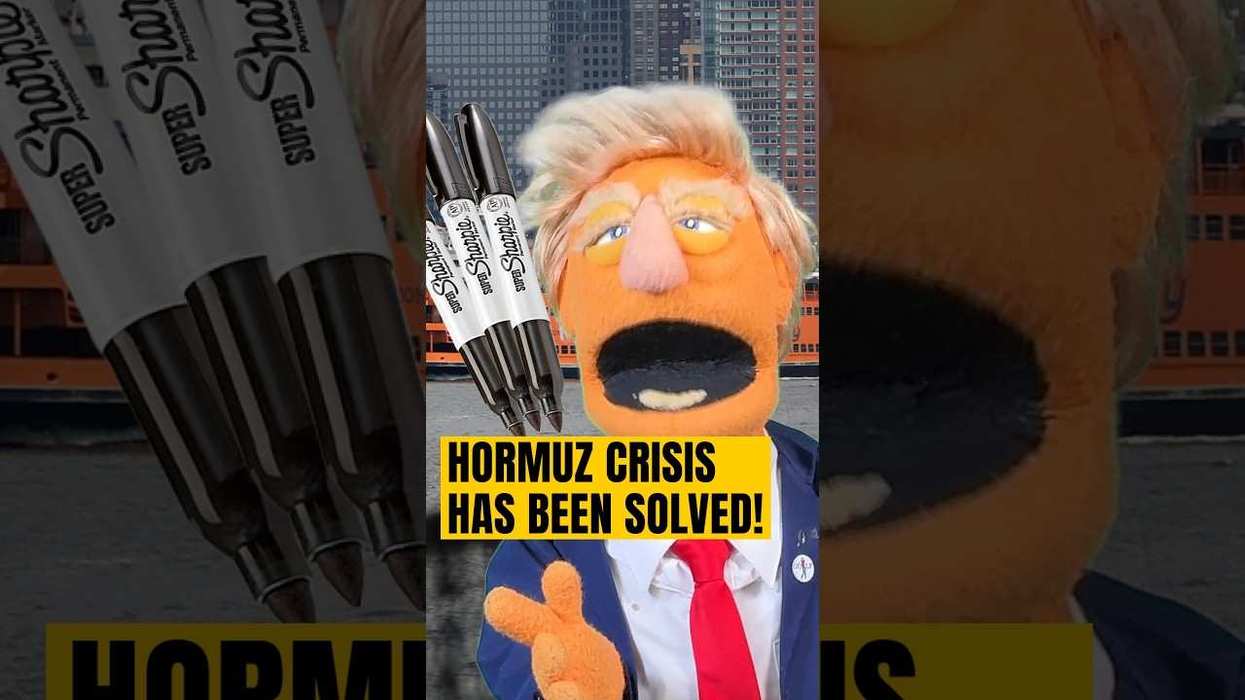
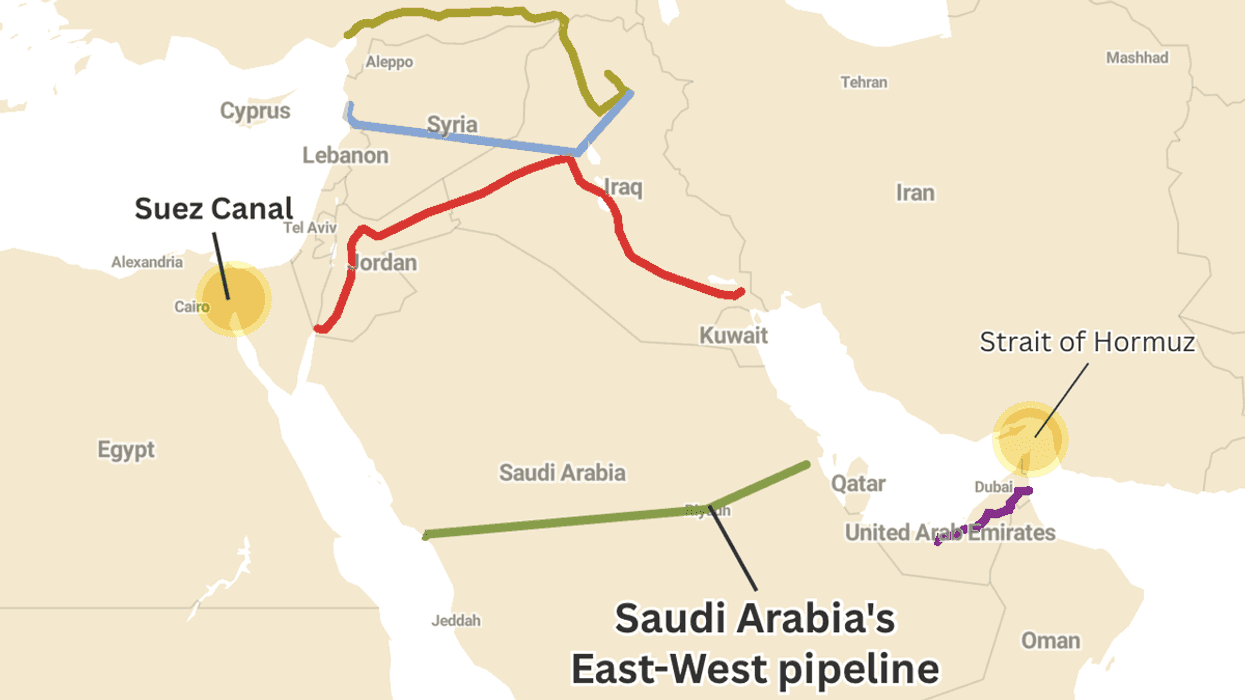
European Union leaders met in Brussels on Tuesday to discuss skyrocketing energy prices resulting from the conflict. It comes after US President Donald Trump issued a stark ultimatum to European and NATO allies on Sunday: help reopen the Strait of Hormuz, or risk the future of the alliance itself. The European Union, which has enormous economic and security stakes in the Iran war, has so far refused.
“It’s only appropriate that people who are the beneficiaries of the Strait will help to make sure that nothing bad happens there,” Trump warned during an interview with the Financial Times. “If there’s no response or if it’s a negative response, I think it will be very bad for the future of NATO.” Germany, France, and the broader EU have effectively declined after being sidelined from the decision of whether to strike Iran in the first place.
But make no mistake: whether European boots ever touch the ground, Europe is already paying for this war.
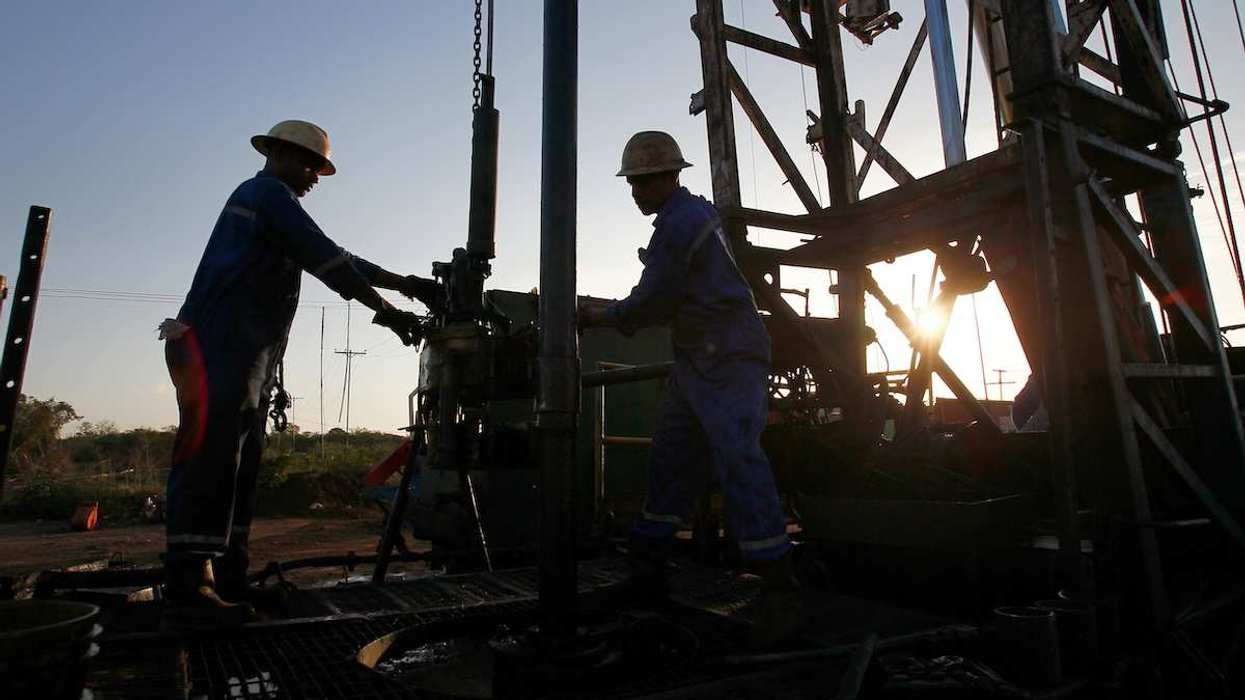
The energy bill. The most immediate cost is energy. Europe’s gas stockpiles were depleted before the war began by a harsh winter, leaving them at just 29% of capacity, and down from 90% in November. Then, Iranian strikes disrupted Qatari LNG production, which accounts for about one-fifth of global output and 50% of the EU’s gas imports. European benchmark gas prices have surged more than 50% since the war began.
While the continent imports relatively little fuel directly from the Gulf, it's facing fiercer competition in the markets, which is driving up prices. In 2025, the EU sourced less than 4% of its gas from Qatar, the Middle East’s biggest gas exporter, and a mere 6% of its crude oil from the region as a whole. The bulk of its pipeline gas comes from Norway, and nearly 60% of its LNG from the United States.
But as shipping through Hormuz grinds to a halt, Asian countries like Japan, South Korea, and India, which rely heavily on Gulf energy exports, are scrambling for alternative supplies and are now competing directly with European buyers. If the halt extends or deepens, European gas markets, already trading at their highest since 2023, will come under further strain. Fears are growing of a repeat of the energy crunch following Russia’s full-scale invasion of Ukraine in 2022, which slashed gas supplies and sent prices soaring.
But this time around, rising energy prices threaten to slow already weak economic growth and ratchet up inflation, which would be disastrous for Europe’s industries facing increasing competition from Chinese production.
Domestic consequences. The domestic political fallout may prove just as significant. High gas prices and inflation could create a tough backdrop for European centrist leaders.
France is a clear case in point. With the 2027 presidential election on the horizon, any sustained rise in energy costs and cost-of-living pressure would further weaken the political center. President Emmanuel Macron isn’t running again, and the race to succeed him is already taking shape in an environment that favors anti-establishment candidates. If a war with Iran keeps inflation elevated or deepens the sense that France is paying for decisions made in Washington or the Middle East, it would hand a powerful narrative to the far-right.
Marine Le Pen’s National Rally, in particular, has long capitalized on economic frustration and distrust of elite crisis management. The real risk for Europe, then, isn’t just slower growth — it’s that another energy shock further chips away at the electoral base of the pro-EU center at exactly the wrong moment.
Security consequences. After years of painful weaning from Russian energy following the 2022 invasion and subsequent energy crisis, the EU finalized a regulation in January that phases out Russian gas imports by 2027. The European Commission is also expected to announce a similar ban on oil next month. But with Gulf supplies now disrupted and prices surging, some EU leaders are asking whether the bloc can afford to divorce from Russian energy.
On Monday, Belgium’s Prime Minister Bart De Wever called for normalizing relations with Russia to access cheap energy supplies. While the idea faced public rebuke as caving to Russia and risking European security, De Wever claims that privately, “European leaders tell me I am right, but no one dares say it out loud.”
As Europe deliberates, all that’s clear is that they are stuck paying for a war that they didn’t ask for, or acquiescing to a trading partner that they have been desperate to drop.