Protests overshadow Mexico’s victory in World Cup opener
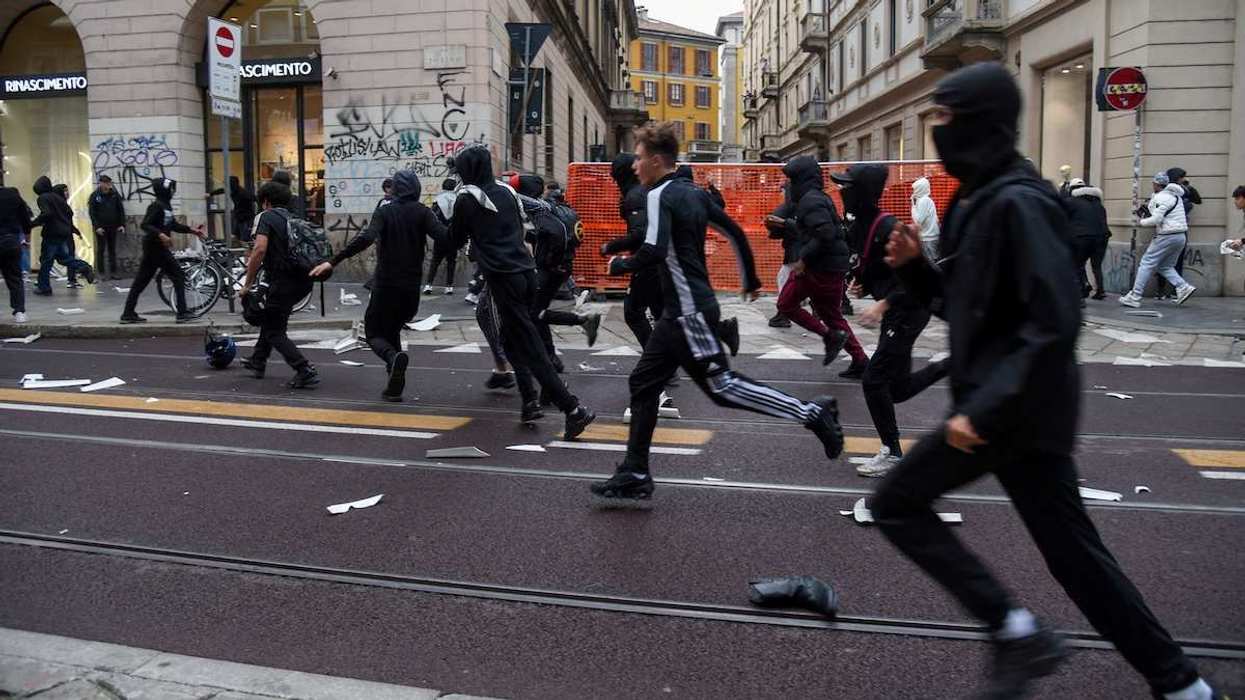
On the field, “El Tri” cruised past South Africa 2-0 on Thursday at the majestic Estadio Azteca in Mexico City. Off the field, it wasn’t as smooth. Hundreds of protesters clashed with police outside the stadium, with some throwing rocks and petrol bombs at law enforcement officials (it’s unclear what drove those clashes). Meanwhile, a larger, peaceful protest in a plaza set to host the capital city’s main fan celebrations took place in another part of the capital city, as thousands demonstrated against the government’s inability to locate the 130,000 people currently registered as missing. A teachers’ union was also protesting over the privatization of pensions, something President Claudia Sheinbaum had pledged to reverse. We’ll be watching to see if citizens elsewhere try to leverage the World Cup to highlight other societal issues in their country over the next month.
Can Trump get an Iran deal for his 80th birthday?
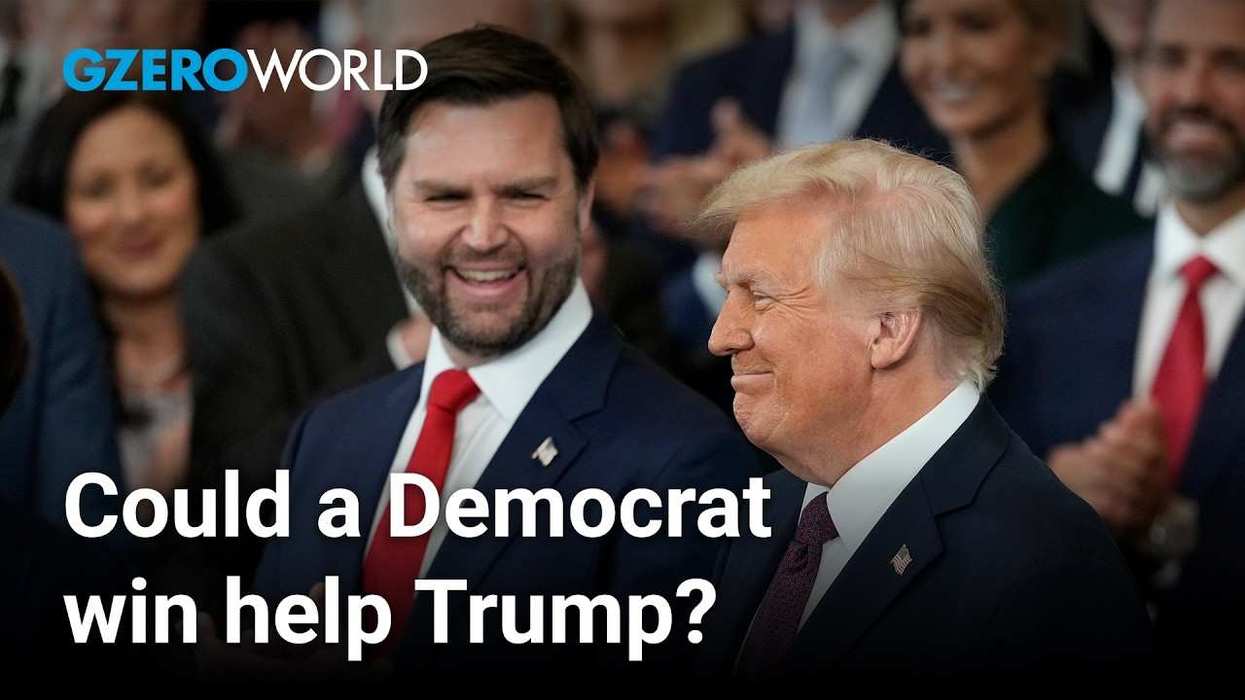
We’ve heard again and again from US President Donald Trump that a deal with Iran is close, only to see strikes, threats, and hostilities between the two resume shortly after, and the Strait of Hormuz still remains closed. Once again yesterday, Trump halted additional strikes and said a potential agreement was in “pretty final shape.” Yet the details of a memorandum of understanding are disputed by both sides, with Iranian state media saying it would not transfer control of Hormuz but would instead manage it through a partnership with Oman. Trump insists those reports are incorrect. But Tehran and Washington are still eyeing a deal to be signed as early as Sunday – also Trump’s 80th birthday – by Vice President JD Vance ahead of the G7 summit in Geneva. Can they finally reach an agreement?
The EU is looking for online friends
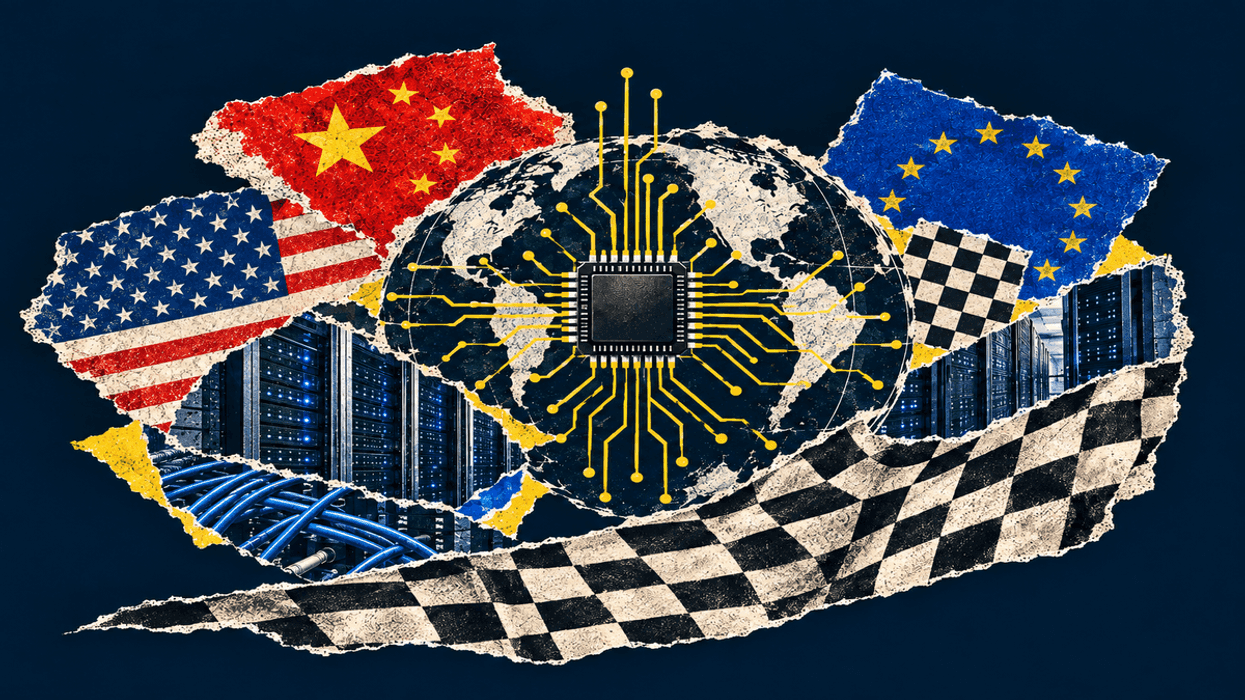
The European Commission’s tech chief, Henna Virkkunen, is in Brazil today to broker a new digital partnership focused on data, cybersecurity, online platforms and the protection of minors. The visit comes as the Commission seeks to reduce reliance on the US, which dominates almost every layer of Europe’s digital stack, from AI to cloud computing. In a bid to achieve this, the EU is forming partnerships, like the one with Brazil, along with South Korea, Japan, Singapore, and Canada. Brussels is wagering that a two-pronged strategy — building up its own technological capabilities in what it calls “digital sovereignty” while deepening cooperation with like-minded partners — can help it cut its dependence on US tech.