GZERO World Clips
Francis Fukuyama: Americans should be very worried about failing democracy
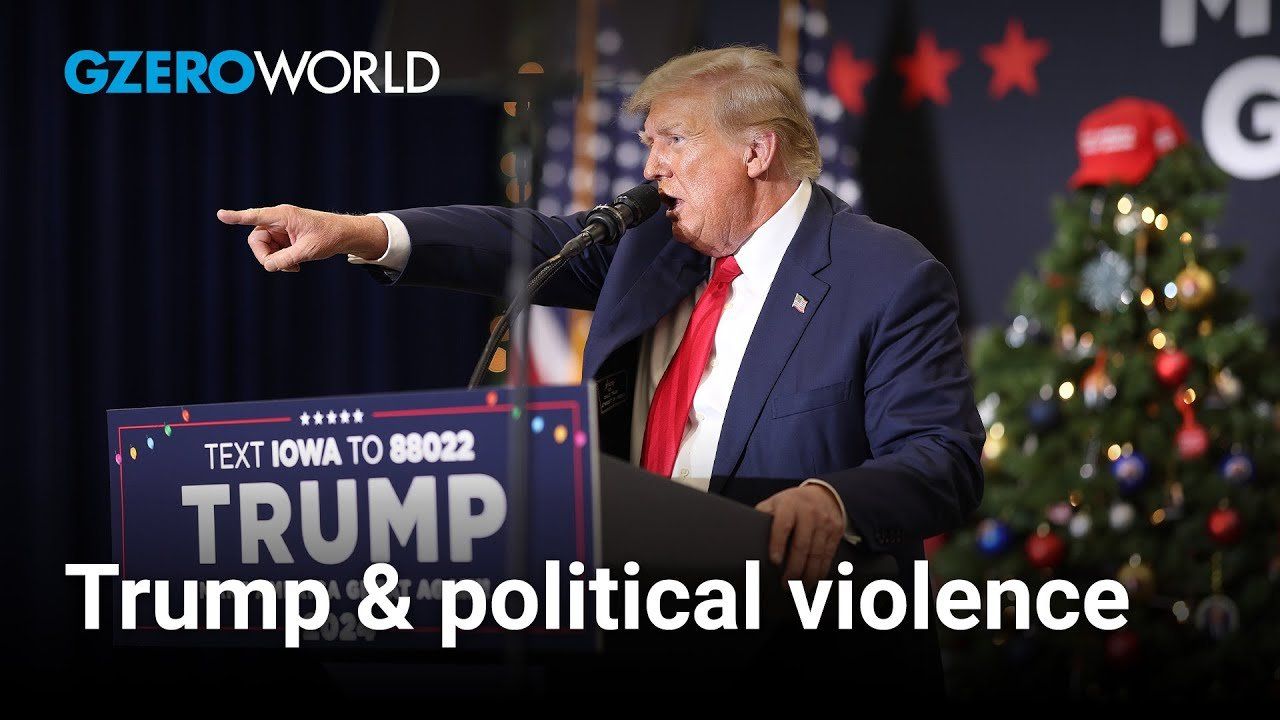
Francis Fukuyama: Americans should be very worried about failing democracy | GZERO World
The prospect of another Trump presidency can be hard to imagine. Still, before we even get there, we must confront the possibility of political violence in the months leading up to November 5.
With the US presidential election on November 5, many Americans are pondering what another four years of a Trump presidency could mean for the country and the world. But let's not get ahead of ourselves. The months leading up to November 5 (and the period after the election but before the January 20 inauguration) could be the most consequential in modern history. That's according to Stanford political scientist Francis Fukuyama, who warns that the capacity for violence amongst Trump supporters is unprecedented.
"In a way, Trump is preparing for this moment when there's massive protests, and he's got a lot of supporters, many of them are armed. And I think that on January 6th, he showed that he was, you know, completely comfortable with calling on his friends to use violence to, you know, support his ends."
Artificial intelligence now contributes to more than half of cybercrime in Africa
US-backed negotiations are opening a possible path to democratic elections in Venezuela – even as the country’s most popular opposition leader remains outside the room.
Think you know what's going on around the world? Here's your chance to prove it.
The Democratic Republic of Congo has reportedly banned exports of copper and cobalt concentrates – the goal is to force more processing at home and capture a larger share of profits generated from its natural resources.