August 17, 2018
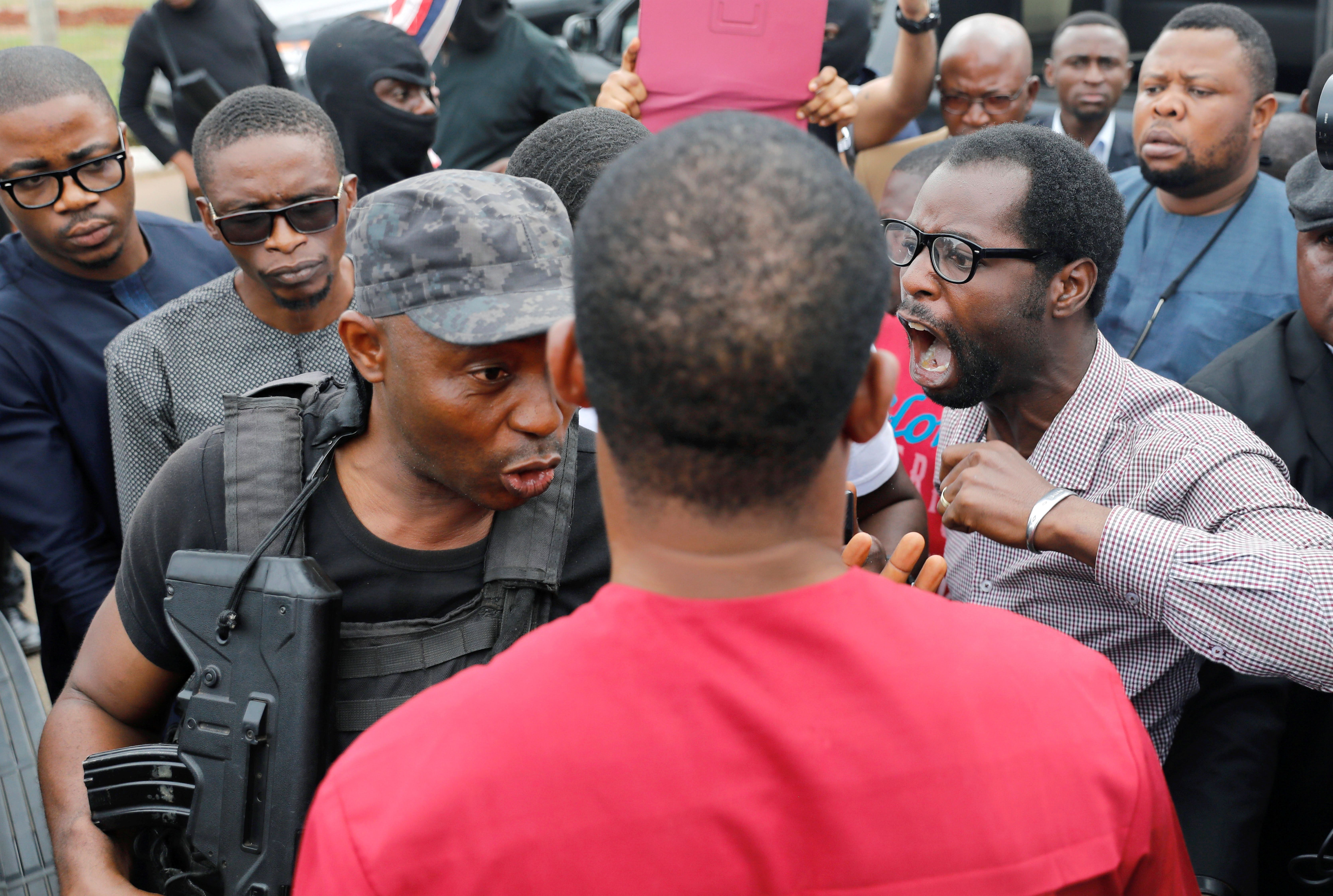
With national elections in February, two recent stories suggest Nigeria may be in for a rough ride. Last week, heavily-armed masked men blocked entrances to the country’s parliament building without explanation, preventing lawmakers and journalists from entering. Confronted by angry crowds, the men dispersed when the acting president ordered the arrest of the state’s spy chief for meddling in politics. (The elected president, Muhammadu Buhari, was away for a “vacation” in the UK, a country where he has received medical treatment for an unspecified illness in the past.)
Then on August 12, hundreds of soldiers launched a protest against orders to redeploy to fight Boko Haram jihadists in the country’s northeast. Firing their guns in the air, they disrupted flights at Maiduguri airport for several hours. “We should not have been here for more than a year, but this is our fourth year,” explained one soldier. “We need some rest, we are war-weary and need to see our families.” Africa’s largest economy can expect another wild election season.
More For You
Most Popular
Supporters of the Forever Canadian group, who want Alberta to remain in Canada, wave Canadian flags as they wait for the results of a non-binding referendum on Alberta sovereignty in Edmonton, Alberta, Canada October 19, 2026.
REUTERS/Todd Korol
Alberta is staying in Canada. But the more important results may have come from the nine other questions on the referendum ballot that have received considerably less attention.
- YouTube
A Democratic sweep in 2026 could shake up Washington. Will it change Trump’s grip on power or set the stage for 2028? Amy Walter and Liam Donovan join Ian Bremmer on GZERO World.
Could Chinese AI give Europe an edge? | The Debrief with Heather West
Could China give Europe a shortcut in the AI race?
Europe has struggled to build models that compete with American and Chinese rivals. But Chinese models that companies can download, customize, and run themselves could offer another way forward—with more control over data and security.
© 2025 GZERO Media. All Rights Reserved | A Eurasia Group media company.