GZERO North

To infinity and beyond – from rural Nova Scotia

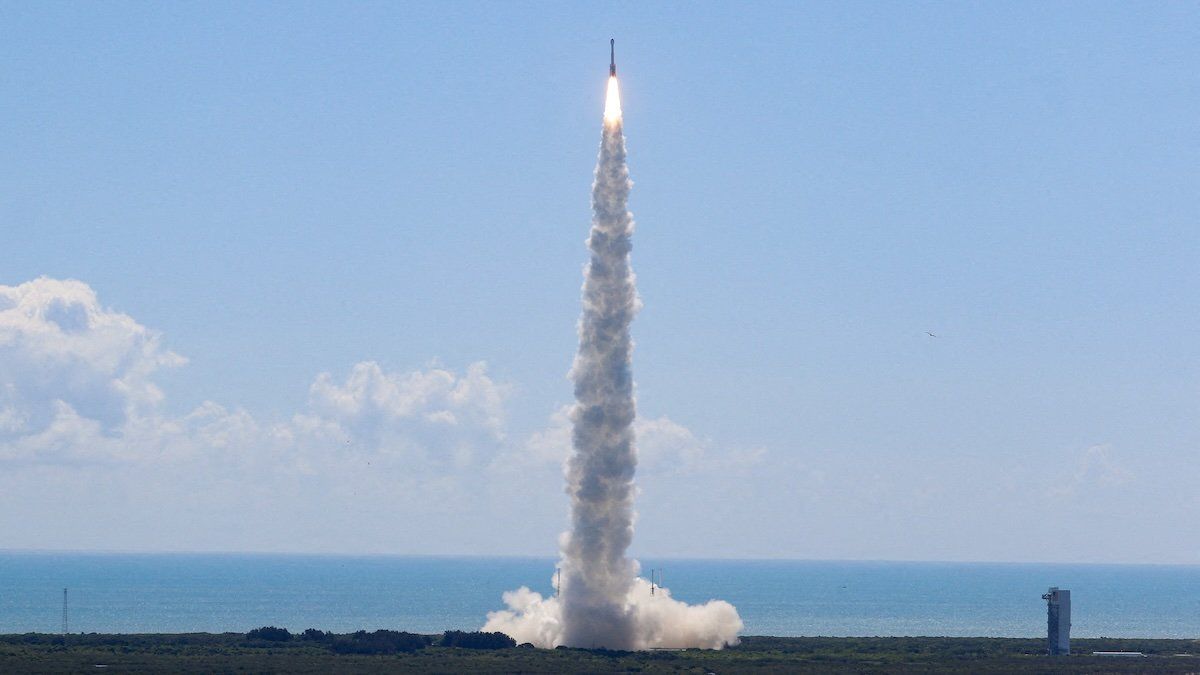
A United Launch Alliance Atlas V rocket carrying two astronauts aboard Boeing's Starliner-1 Crew Flight Test (CFT), is launched on a mission to the International Space Station, in Cape Canaveral, Florida, U.S., June 5, 2024.
REUTERS/Joe Skipper

Canada is set to get its first and only commercial spaceport, set to be built in Nova Scotia.

Last week, the Canadian government announced the Technology Safeguard Agreement with the US, which paves the way for US space object launches in Canada from the NS launchpad and permits the sharing of necessary American technology and data pending final review and approval from both countries. The company behind the project, Maritime Launch, already has approval from the provincial government to build the launch pad.

Maritime Launch says Russia’s invasion of Ukraine spurred its US-Canada launchpad plan after its initial plan relied upon Ukraine-made Cyclone 4M rockets. As CBC reports, the current plan is to lease the pad for launches, including to American clients.

The spaceport is a giant leap for the Canadian space industry, which is small but growing. Latest figures peg the sector’s contribution at CA$2.8 billion to GDP and roughly 24,190 full-time equivalent jobs.
More For You

Magyar, leader of the opposition Tisza Party, speaks during a press conference a day after the parliamentary election, in which Hungarian Prime Minister Viktor Orban conceded defeat, Budapest, Hungary, April 13, 2026.
REUTERS/Marton Monus/File Photo

At first glance, Hungary’s Prime Minister-elect Péter Magyar may appear to be the antithesis of the man he defeated in the April 12 election, Viktor Orbán. Yet the pair might be closer than you think – both on policy and politics.