The ghost of Jeffrey Epstein continues to haunt the world.
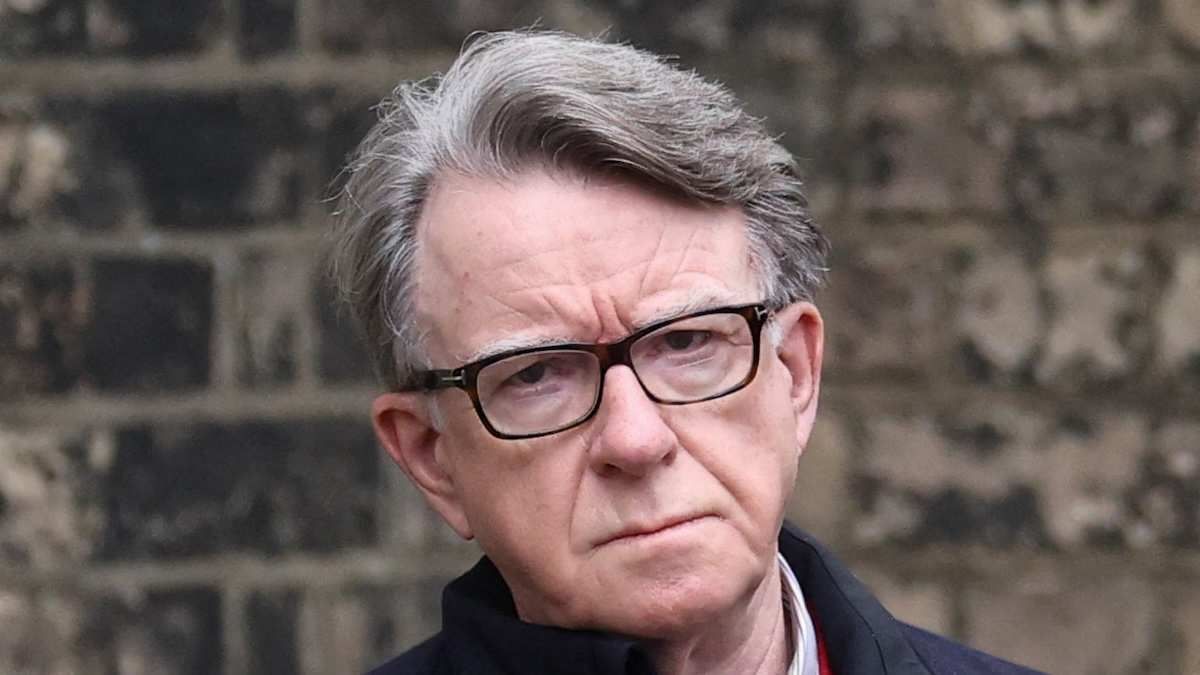
This week kicked off with British police arrestingPeter Mandelson, former UK ambassador to Washington, on suspicion of “misconduct in public office” from his time as business secretary between 2008 and 2010. Mandelson wasn’t named in the arrest records, part of the UK’s rules banning them from identifying suspects before charges are brought. But Epstein’s emails, released by the US Justice Department, suggest Mandelson may have shared an internal government report with the ex-financier.
In those exchanges, Mandelson appears to have told Epstein he would lobby for a tax cut on bankers’ bonuses in 2009 — while the world was in the throes of a financial crisis. Mandelson has denied wrongdoing related to Epstein and hasn’t commented on his arrest.
The fallout from the DOJ’s trove of documents related to Epstein has reverberated across continents, tearing down reputations and wreaking havoc in politics, business, and academia. But this latest development — possible wrongdoing while in office —points to something more than social proximity to Epstein. It raises the possibility that Epstein’s ties to people in power were, for him, a kind of currency, one that materialized in insider information, clout, and even connections to world leaders with whom he sought business.
Inside scoops on information. Mandelson’s arrest came just days after a similar arrest of another public figure: former Prince Andrew Mountbatten-Windsor, also taken into custody on suspicion of misconduct in public office – an unprecedented arrest in the UK’s modern history. Police haven’t said what led to Mountbatten-Windsor’s arrest, but the files suggest he passed Epstein confidential trade reports while serving as UK trade envoy from 2001 to 2011. Both of their ties to Epstein appear to have yielded dividends for the disgraced billionaire, handing him market-sensitive and confidential information he could use to enrich himself.
Mountbatten-Windsor’s role gave the ex-prince privileged access to senior government and business contacts worldwide. Emails from 2010 indicate he forwarded government reports on upcoming trips to Vietnam, Singapore, and China to Epstein a mere five minutes after receiving them. Mountbatten-Windsor also appears to have shared information about potential investment opportunities in gold and uranium in Afghanistan. It’s not clear whether Epstein acted on these tips – but the correspondence suggests he had an ally in public office at the ready to share insider information to benefit their friend.
Mountbatten-Windsor hasn’t commented on the allegations, and he’s long denied accusations of wrongdoing related to his friendship with Epstein.
“Mr. Human Rights.” Epstein’s ties to public officials extended beyond the UK. Earlier this month, Thorbjørn Jagland, a former prime minister of Norway and former chair of the Nobel committee, was charged with “gross corruption” over his relationship with Epstein during his tenure as secretary general of the Council of Europe — the continent’s leading human rights organization that oversees the European Court of Human Rights. Jagland previously enjoyed diplomatic immunity because of his position, but on Wednesday, the council waived it at the request of the Norwegian police.
Documents show Epstein leveraged his ties to Jagland – one of the most prominent officials in Europe at the time – to lobby for his business interests in Russia. Documents released late last year showed the two discussing Epstein’s desire to speak directly with Vladimir Putin about finance, with the ex-financier believing Putin was “desperate to engage western investment in his country.” In a May 8, 2013, email, Epstein urged Jagland — who was scheduled to meet the Russian president a few days later — to broker an introduction.
“I recognize that there are human rights issues that are at the forefront of your trip however, if it is helpful to you, I would be happy to meet with him sometime in June and explain the solution to his top priority, I think this would be good for your goals. exchange something he really wants. for someting you want.”
Jagland responded to the email a few days later with a proposal on how he’d introduce the two. “Can I say this: I know that you want to attract foreign investment to diversify Russian economy,” he wrote, adding, “I have a friend that can help you to take necessary measure (and then present you).”
The meeting between Putin and Epstein never took place. But Epstein also benefitted from association with Jagland himself, who had cultivated an image of a champion of gender rights – even as messages show him expressing his enthusiasm over “extraordinary young girls” in Albania in 2013.
Epstein often referred to Jagland “Mr. Human Rights” and as a “great friend” in emails while he pursued ties with other politicians and business leaders. When Jagland accepted the offer to stay in Epstein’s home in 2012, he quickly alerted other powerful contacts, including Bill Gates, Larry Summers, and Richard Branson.
“Head of the Nobel Peace Prize staying with me, if you have any interest,” he wrote to Summers. At this point, Epstein had been a convicted sex offender for four years. His friendship with the former official offered him a way to repair his moral image in the eyes of other powerful elites.
Taken together, the documents and the latest accusations suggest Epstein did more than cultivate influential friendships. He appears to have monetized his relationships with public officials — extracting insider information and business access, and reputational cover – as he worked his way through the upper echelons of global power.