Brazil’s Supreme Court rocked by nepotism and corruption scandals
Trying times, as it were, for the top court of Latin America’s largest country. One court justice has already had to recuse himself from the trial of a prominent bank fraudster because of close family and investment ties with the defendant. Another is under fire for using Brazil’s controversial “fake news” laws to suppress scrutiny of his wife’s contracts with the fraudster’s bank. A third justice, meanwhile, throws a big annual party in Portugal funded indirectly by companies with business before the court. The Supreme Court scandals are partly why “impeaching Supreme Court justices” is the top polling issue for Brazilian voters ahead of this year’s election. Small wonder then that followers of right-wing former president Jair Bolsonaro – sentenced by the very same court to 27 years for trying to overturn the 2022 election – are likely to win control of Congress. Once they do, the court itself could quickly find itself on trial.
Leader of Europe’s largest economy visits China
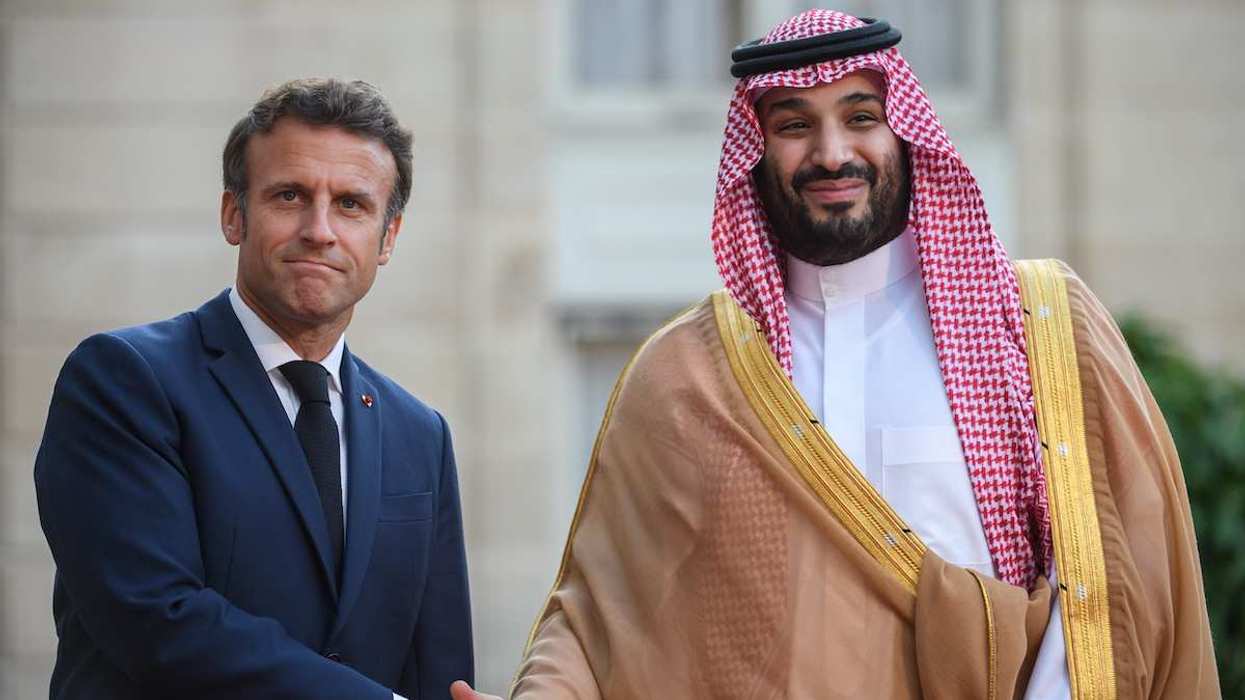
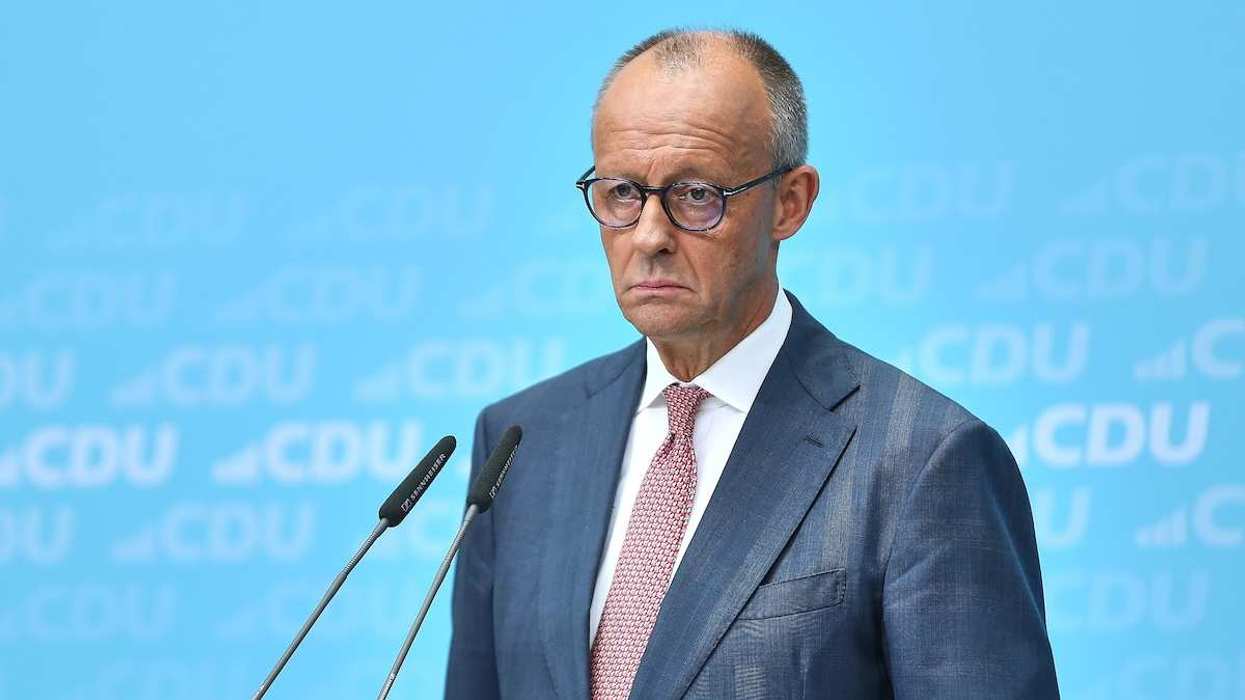
German Chancellor Friedrich Merz has a clear goal in mind as he begins his three-day trip to China today: shrink Berlin’s trade deficit with Beijing. China is Germany’s top trading partner, but the trade imbalance expanded massively last year. Berlin has accused Beijing of unfair trade practices, such as subsidies to domestic manufacturers. Meanwhile, Chinese President Xi Jinping said he hopes to bring the relationship to “new levels.” The trip, though, may have larger implications than just the bilateral ties between Germany and China: Merz is the latest European leader to visit China, following trips by French President Emmanuel Macron last year and UK Prime Minister Keir Starmer in January. It’s also another sign that Europe is reducing its reliance on the United States by bolstering its relationships elsewhere.
Russia targets Telegram communications app
Russia is building its case to ban the communications app Telegram and indicated in local newspapers on Tuesday that it may bring terrorism-related charges against its Russian-born founder, Pavel Durov. The platform is one of the country’s last spaces for relatively free speech — it’s the go-to communication for millions of Russians and even for Russian pro-war bloggers in the military. The Kremlin wants security services to be able to access messages and is pushing users toward the state-monitored app MAX. Backlash has followed, with even Russian pro-government lawmakers and government ministers voicing concern. Still, the mounting legal and political pressure suggests Moscow is preparing to act regardless.