For decades, the Munich Security Conference has functioned as the annual “family reunion” of the transatlantic alliance – a place where American and European leaders and diplomats come together to discuss international security. Since 1963, it’s revolved around a core assumption: the relationship between the United States and Europe is durable within a US-led global order, even when tested.
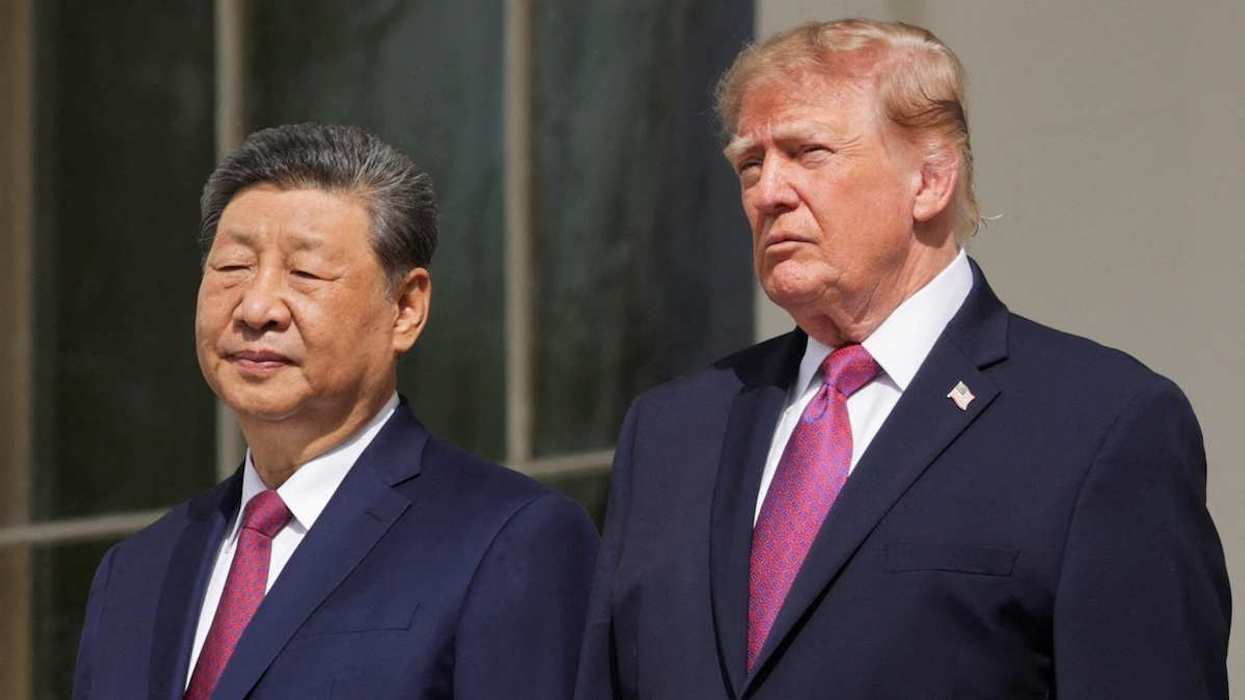
But this year’s theme, “Under Destruction,” set a different tone. A report prepared by the conference framed US President Donald Trump as one of the most prominent “demolition men,” tearing down the world order the US anchored for generations, without clear ideas about what would replace it.
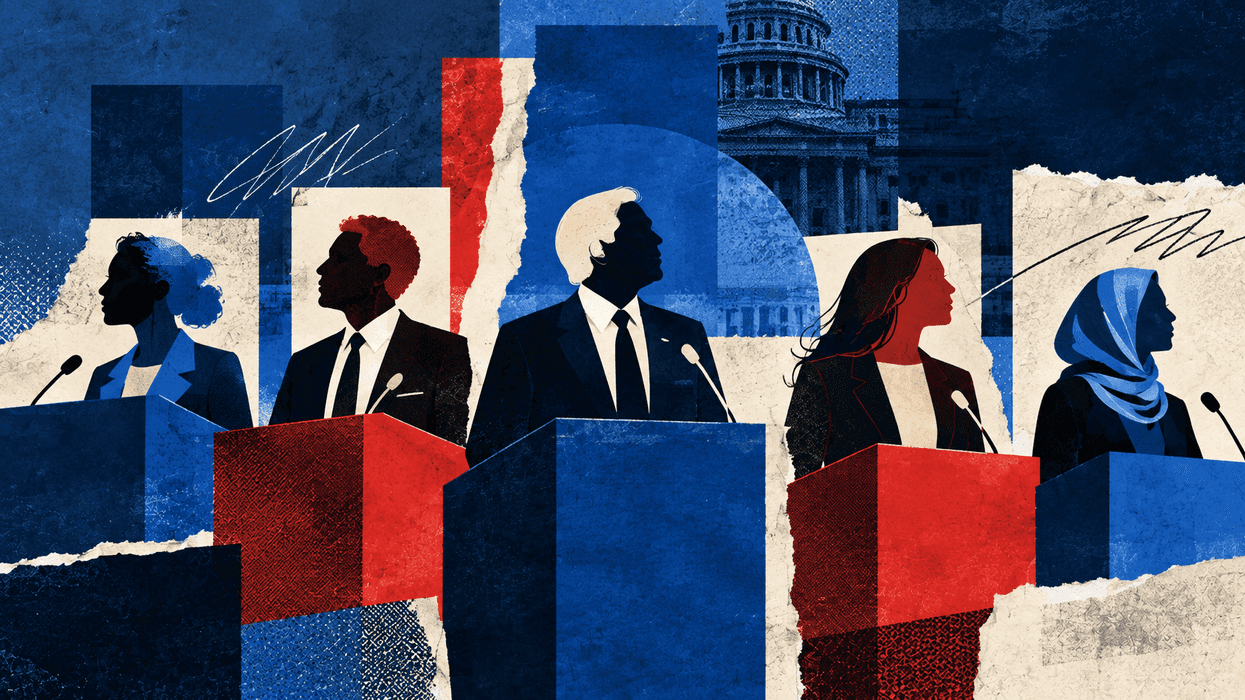
But Munich also made clear that the US itself is divided over what that destruction means, and what should come next. Munich provided a platform for Secretary of State Marco Rubio and Democratic Rep. Alexandria Ocasio-Cortez – both floated as potential presidential contenders in 2028 – to present dueling visions of America’s role in the world.
Rubio’s civilizational challenge. After Vice President JD Vance delivered scorching criticism of European leaders at last year’s gathering – including over perceived limits on free speech and ill treatment of far-right parties – there was much speculation about whether Rubio’s keynote would follow suit. In the end, the secretary of state offered a more conciliatory approach, garnering applause instead of the shock that met Vance’s address.
Rubio appealed to what he described as shared Western heritage – rooted in Christianity and the rule of law – which he argued is now under siege. While Vance lambasted European leaders for allowing mass migration to create a “threat from within,” Rubio included America in that critique, lamenting “an unprecedented wave of mass migration that threatens the cohesion of our societies, the continuity of our culture, and the future of our people.”
Although Rubio argued that America’s destiny “will always be intertwined” with the continent’s, he made clear that cooperation would depend on European nations tightening their borders and increasing defense spending, which they have done. Otherwise, the US will go it alone. “We in America have no interest in being polite and orderly caretakers of the West’s managed decline,” he said. The substance of his message was clear: America will still show up for Europe, but on Washington’s terms.
Ocasio-Cortez’s age of authoritarians. In her most prominent appearance yet on the international stage, Ocasio-Cortez delivered a message that contrasted sharply with Rubio’s. Bringing her working-class, progressive economic framework to Munich, she argued that democracies lose legitimacy if they don’t deliver material benefits at home and when they abandon their values abroad. Rising inequality, she said, has fueled an emerging “age of authoritarianism,” one in which everyday people turn away from democracy and toward far-right populism when their economic needs aren’t met.
She accused Trump of tearing apart the transatlantic relationship and attempting to create spheres of influence, where he treats the Western Hemisphere as his “personal sandbox,” and Russia’s Vladimir Putin has free rein to escalate pressure on American allies in Europe. Ocasio-Cortez also drew attention for a few notable stumbles on policy questions, most prominently on whether the US should send troops to Taiwan if China invaded. After fumbling for 20 seconds, she reiterated America’s longstanding policy of strategic ambiguity.
Despite the critiques, Ocasio-Cortez argued the transatlantic partnership need not be abandoned. The “vast majority” of Americans want close ties with Europe, she said, and called for a return to “rules-based order,” with some new conditions. That, in her view, requires eliminating what she called “hypocrisiesm” such as support for Israel during the war in Gaza, which she controversially qualified as a genocide. She argued that rules must apply to friends as well as foes, citing the Leahy laws, which bar US security assistance to “foreign security force units when there is credible information that the unit has committed gross violations of human rights.”
What these visions mean for US politics. Despite being delivered thousands of miles away from the US, both Rubio's and Ocasio-Cortez’s remarks could have served as stump speeches ahead of key mid-term elections this year and the 2028 presidential contest. Domestically, Rubio’s speech lined up neatly with MAGA objectives: tightening immigration, preserving a sense of cultural identity, and hostility to “globalism.” It effectively translated foreign policy into a culture war-and-security agenda to energize the Republican base ahead of the midterms.
Ocasio-Cortez pitched working-class American voters, in their pocketbooks and on the streets. She called on Democrats to “get our house in order” to materially improve lives for average Americans, or risk falling into a more “isolated world governed by authoritarians that also do not deliver to working people.” Her callout to safeguard human rights abroad echoed alleged violations by the US government at home, such as warrantless raids, sweeps, and detention of US citizens by ICE, which could spur some Latino voters who supported Trump in 2024 to return to the Democratic fold.
What it means for geopolitics. While their goals differ, Rubio and Ocasio-Cortez have one thing in common: they offer Europe an alliance conditional on shared expectations and values. Rubio insists on Europe assuming more responsibility for its security and a commitment to preventing “civilizational erasure,” while Ocasio-Cortez demands that social benefits be shared with workers and that human rights be respected. In other words, the transatlantic family can stay together, but under specific conditions. The question is whether Europe will accept them.