Skip to content
Search

Latest Stories

elizabeth cousens

Is the world moving toward a global agreement on AI governance?
UN General Assembly

Is the world moving toward a global agreement on AI governance?

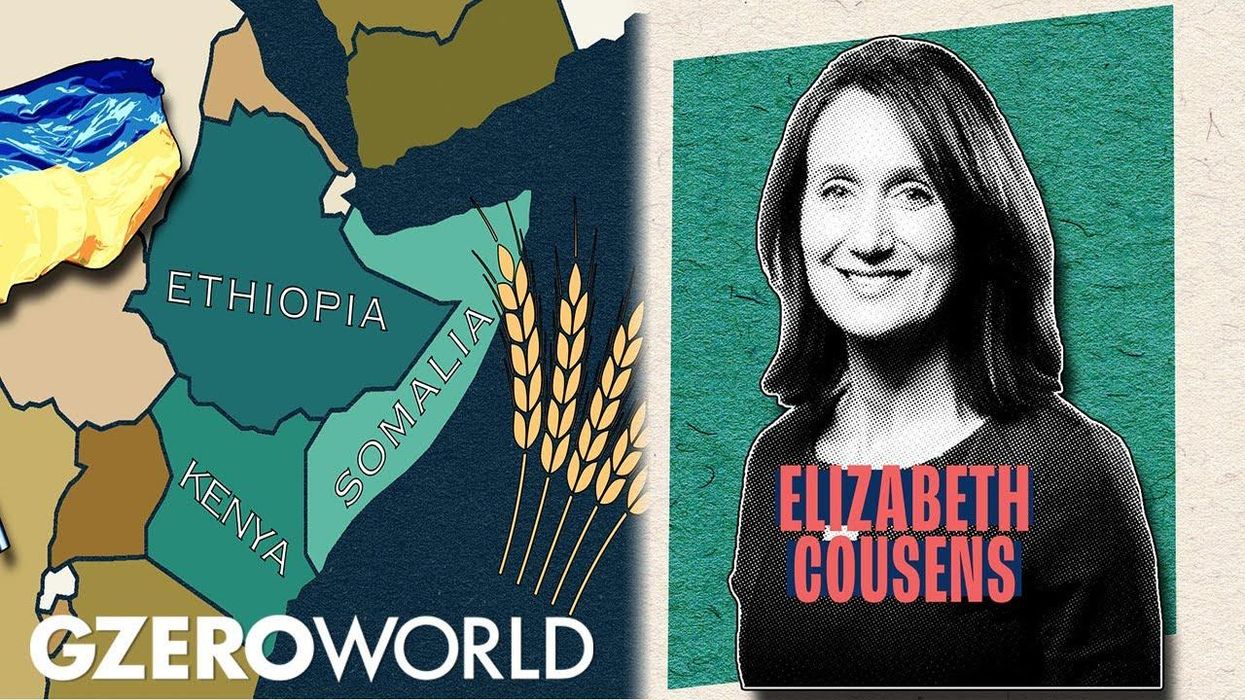
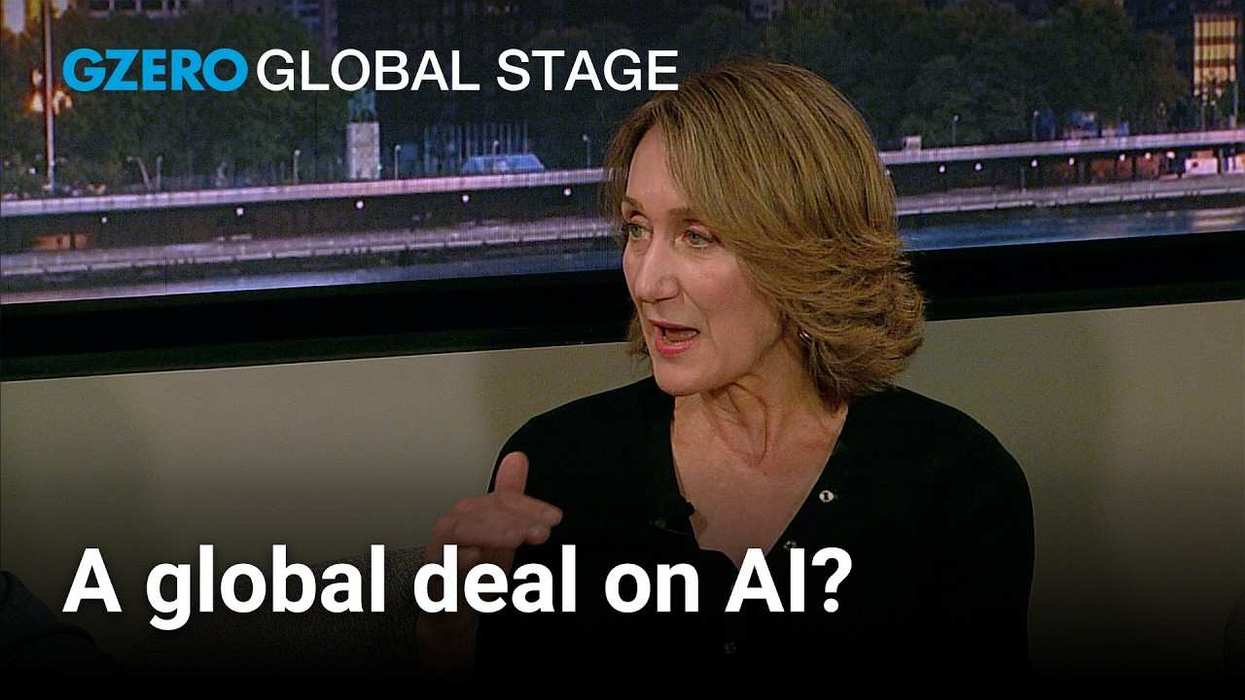
Could UNGA81 mark the beginning of a new global approach to governing AI? United Nations Foundation President and CEO Elizabeth Cousens says governments are rapidly recognizing the need to address AI safety, inequality, and access, and that the demand for international coordination is growing.

How can AI enhance human progress?
UN General Assembly

How can AI enhance human progress?

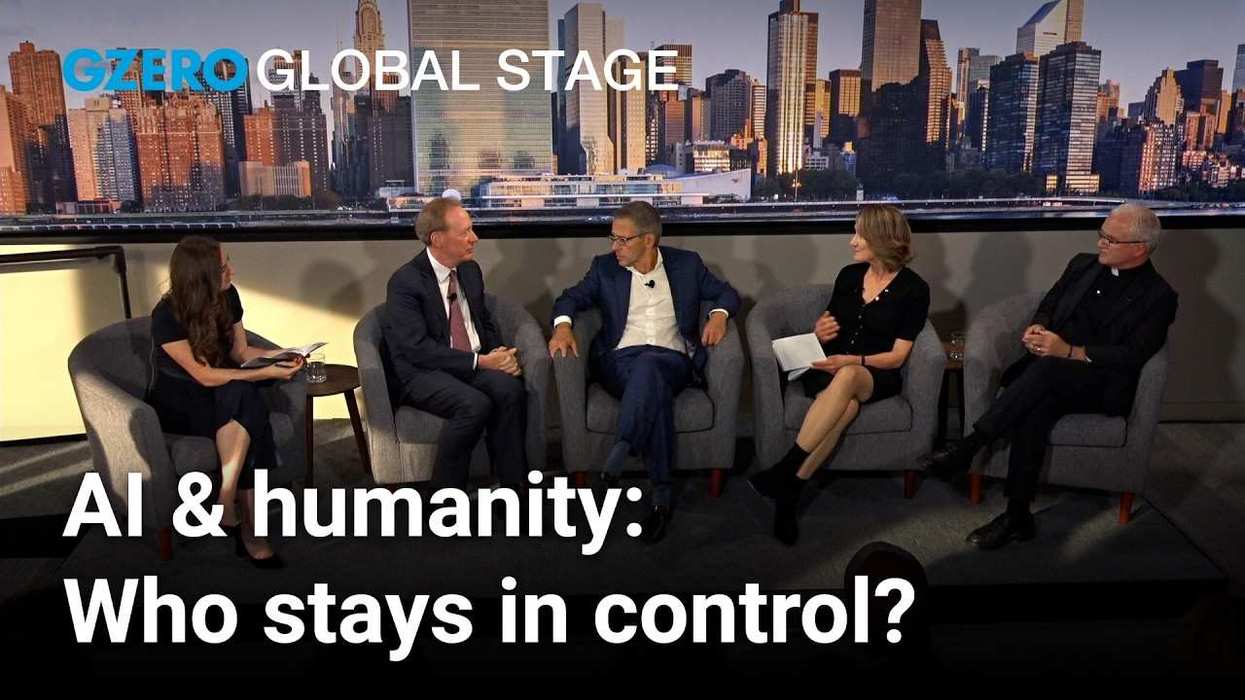
As artificial intelligence becomes more powerful and more deeply embedded in everyday life, how can we ensure it remains a tool for human progress, and under human control?

Ambassador Shea on AI risks, US-China ties and Lebanon
UN General Assembly

Ambassador Shea on AI risks, US-China ties and Lebanon

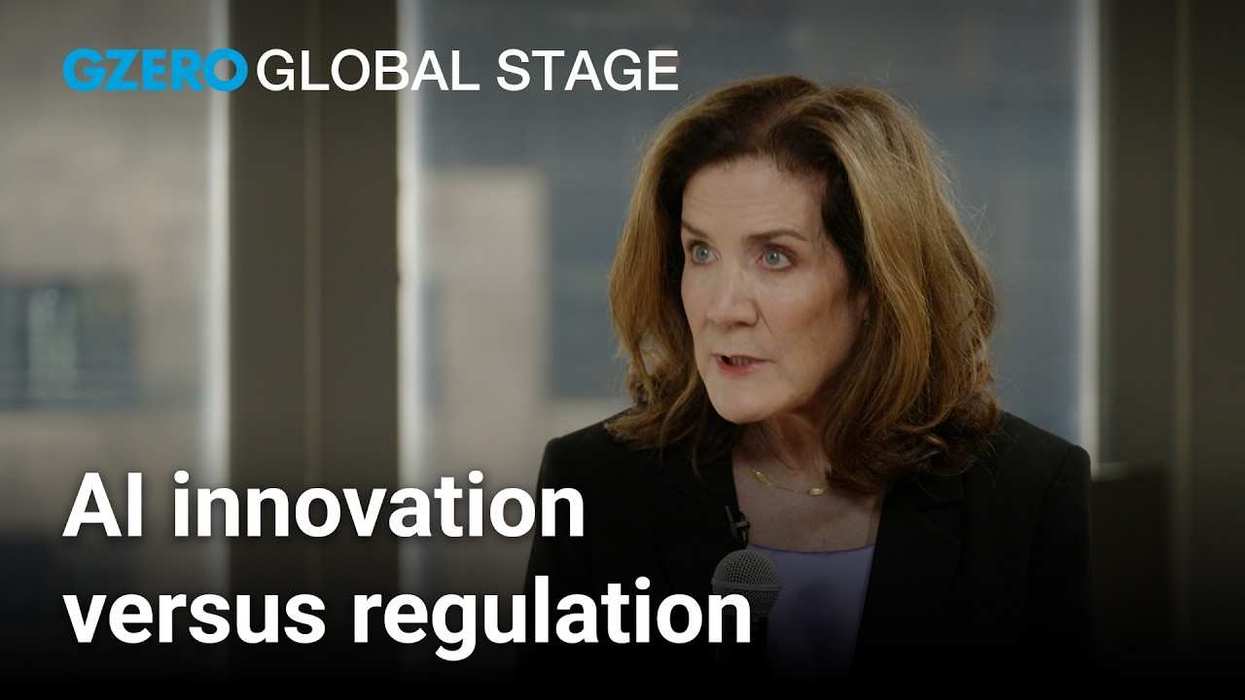
On the sidelines of the 81st UN General Assembly in New York at GZERO and Microsoft's innagural Global Stage Cafe, Ambassador Dorothy Shea, who previously served as US chargé d'affaires and acting representative to the United Nations, sits down with Tony Maciulis to unpack the debate over AI regulation, US-China relations and Lebanon's security future.

Watch our Global Stage livestream from the UN General Assembly
Posts

Watch our Global Stage livestream from the UN General Assembly

Watch the recording of our livestream: How can a human-centered approach to AI help address some of society’s most pressing challenges while fostering inclusion, trust, and shared prosperity? Our livestream discussion, "Global Stage: Live from the 81st UN General Assembly" examines this key question, live from the sidelines of UN headquarters. Watch at gzeromedia.com/globalstage

Philanthropy's moment to act
GZERO World Clips

Philanthropy's moment to act

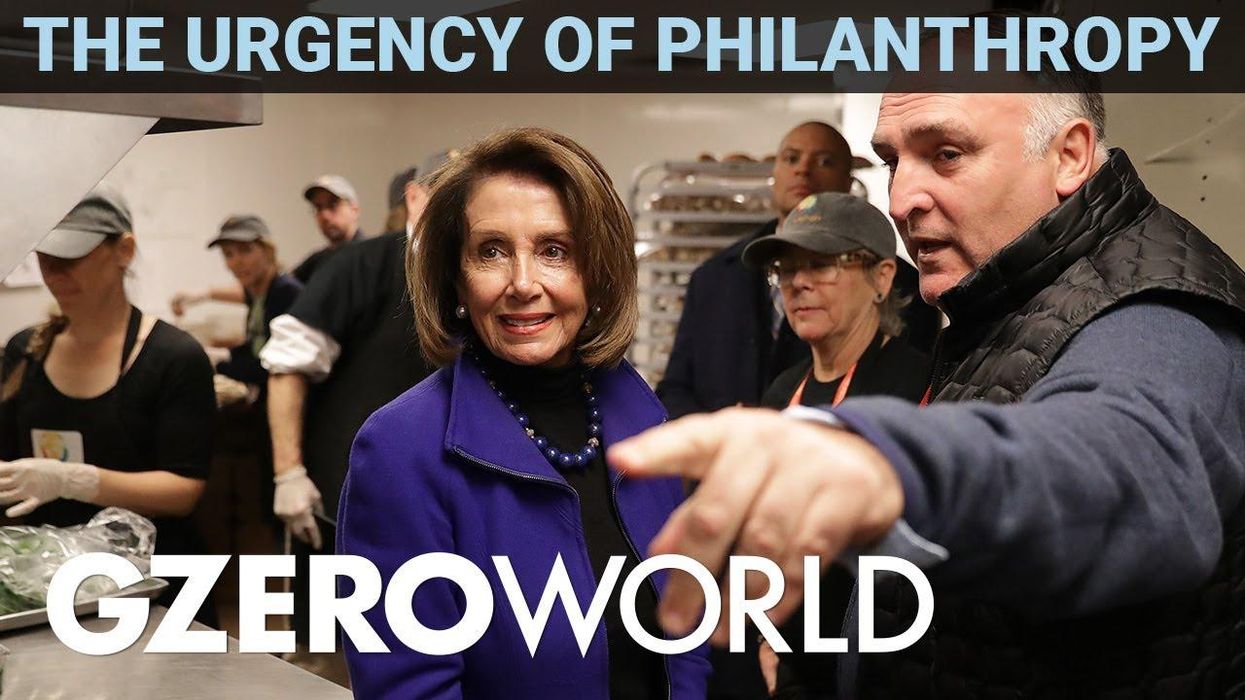
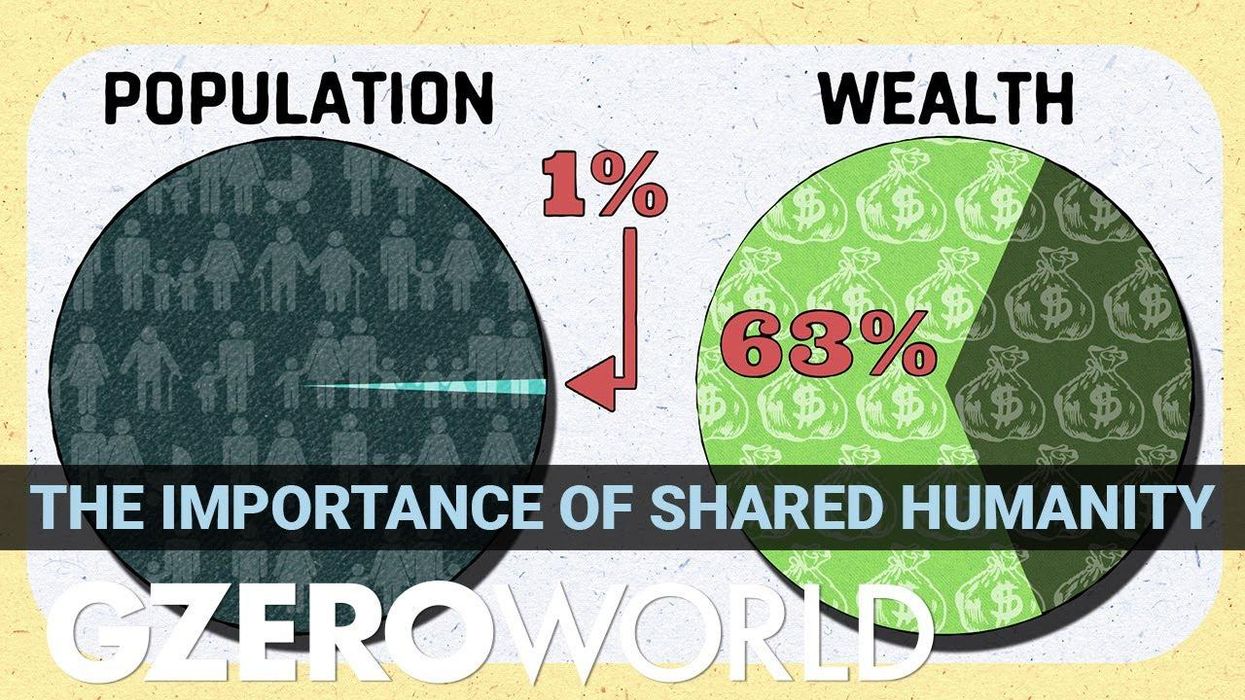
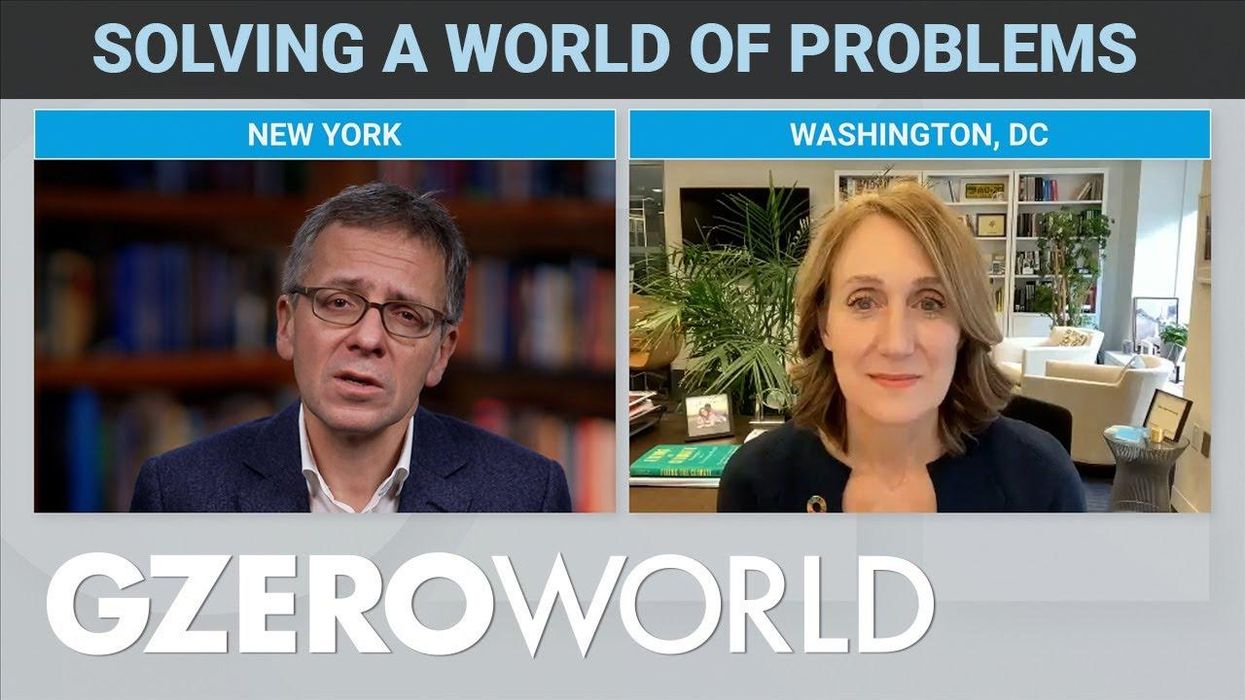
It's almost the first anniversary of Russia's war in Ukraine. On March 11, it'll be three years since the World Health Organization declared COVID-19 a pandemic. And 2022 was the sixth warmest year on record since 1880. We are still dealing with the fallout from all three events. But not equally. Since 2020, the richest 1% of people has accumulated nearly two-thirds of all the new wealth created in the world. On GZERO World, Ian Bremmer speaks to UN Foundation President and CEO Elizabeth Cousens, who thinks it's the perfect time for institutions backed by the 1 percent to step up even more.

How to save our future from the crises we create
GZERO World Clips

How to save our future from the crises we create

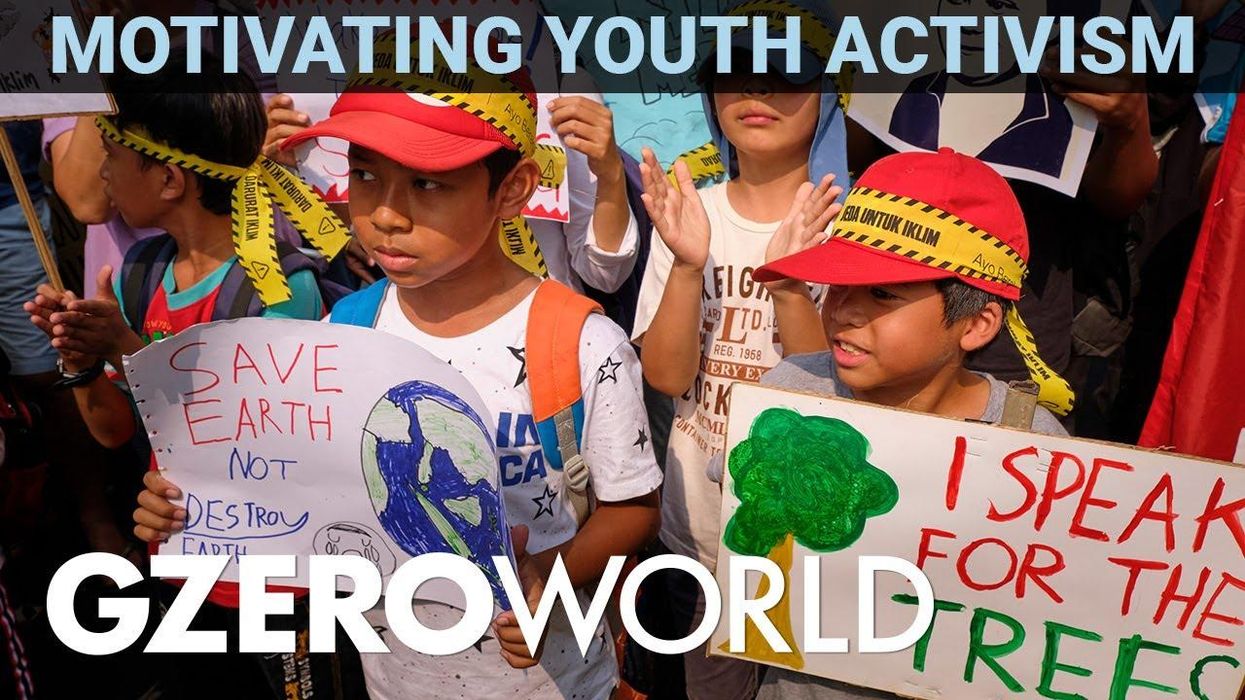
Who has the most at stake in making the world a better place? Young people. After all, the decisions we make today affect their future more than any other age group. “Not just the young people who make up half of the world's population today, but the 11 billion people who are yet to be born by the end of this century," asks UN Foundation President Elizabeth Cousens, "what are we leaving to them?

Why philanthropic foundations need to spend money (and quickly)
GZERO World Clips

Why philanthropic foundations need to spend money (and quickly)

In today's world, where global development needs are high and seismic geopolitical events have turned back the clock on so much progress, UN Foundation President Elizabeth Cousens says its the perfect time for philanthropy to step up. Indeed, there's a lot more that can be done., Cousens tells Ian Bremmer on GZERO World.

Food emergency: what to do when people are hungry now
GZERO World Clips

Food emergency: what to do when people are hungry now

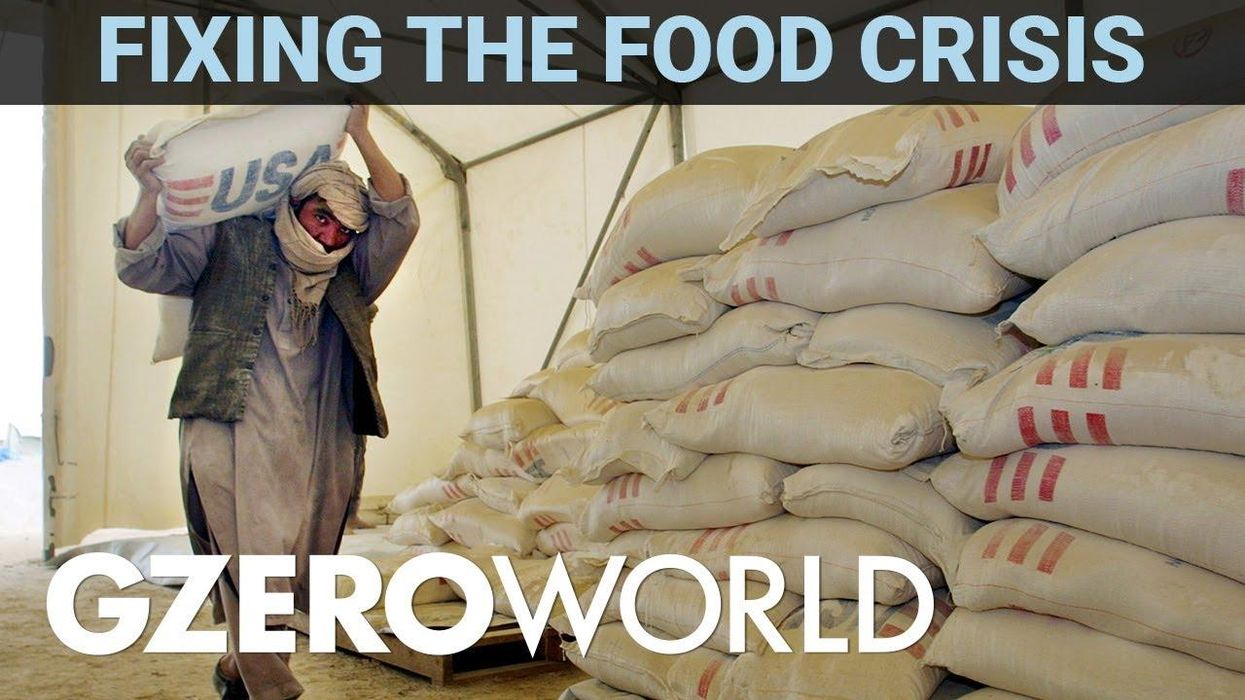
On global issues, the international community must walk and chew gum at the same time. It needs to learn to deal with simultaneous crises that play off each other, says UN Foundation President Elizabeth Cousens. That's why we dropped the ball on hunger. Now the needs are huge and growing. We haven't seen a lot of images of starvation yet, but they are coming, Cousens tells Ian Bremmer on GZERO World.

"We're in this together" — UN Foundation chief
GZERO World Clips

"We're in this together" — UN Foundation chief

Global development has been going backwards since even before the pandemic, and there's no end in sight. Extreme poverty is now rising again, and fraught politics at every level is making it harder to fight inequality around the world. But it's not an irreversible trend, UN Foundation President Elizabeth Cousens tells Ian Bremmer on GZERO World.

Inequality isn't inevitable - if global communities cooperate
GZERO World with Ian Bremmer

Inequality isn't inevitable - if global communities cooperate

Almost three years after COVID, we're still grappling with the geopolitical convulsions that the pandemic unleashed or worsened. They're all wiping out decades of progress on fighting global inequality. What can we do about it? On GZERO World, Ian Bremmer speaks to UN Foundation President and CEO Elizabeth Cousens, who thinks it's the perfect time for institutions backed by the 1 percent to step up even more.

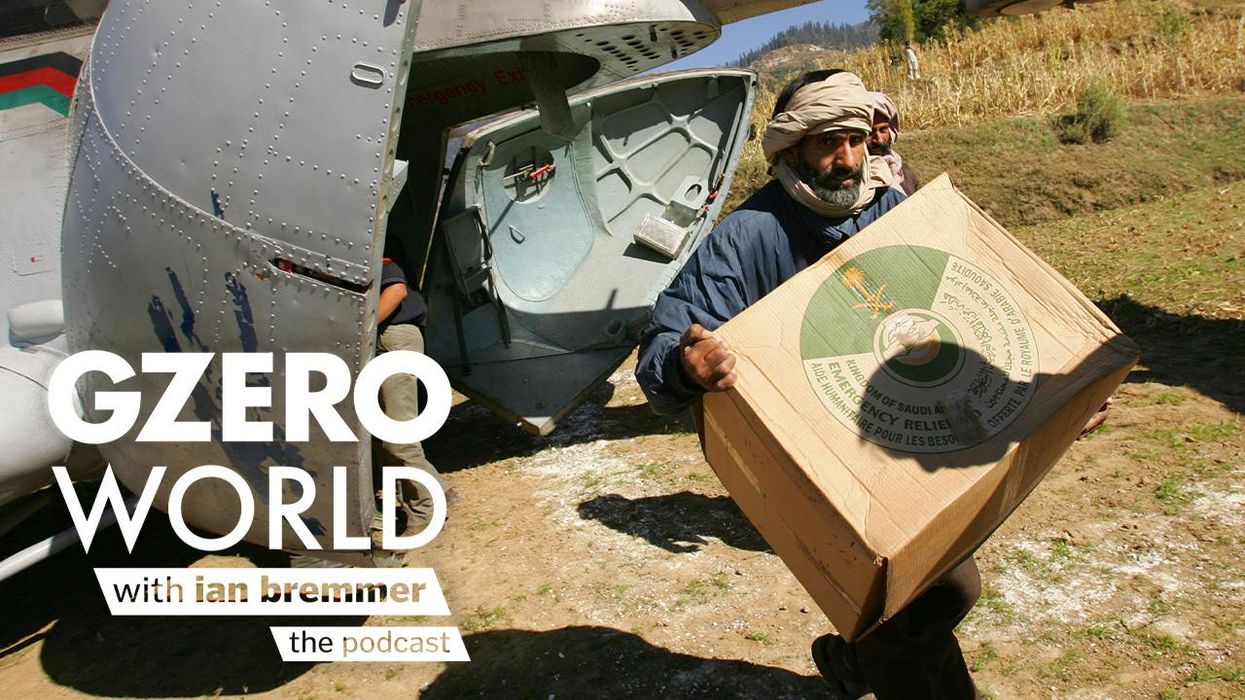
 A box of food being delivered in shipments from a plane| GZERO World with Ian Bremmer - the podcast
GZERO World with Ian Bremmer Podcast

Podcast: Salvaging the world we leave our kids with innovative philanthropy

Listen: Global inequality has reached a level we haven’t seen in our lifetimes and recent geopolitical convulsions have only made things worse. The rich have gotten richer while extreme poverty has exploded. UN Foundation President Elizabeth Cousens thinks it's the perfect time for institutions backed by the 1% to step up. She speaks with Ian Bremmer on the GZERO World podcast about the key role that innovative philanthropy could play to address problems exacerbated by the war in Ukraine, economic fallout from the COVID pandemic, and a warming planet.