Skip to content
Search

Latest Stories

gates foundation

Global food crisis: when food isn't merely expensive
Events

Global food crisis: when food isn't merely expensive

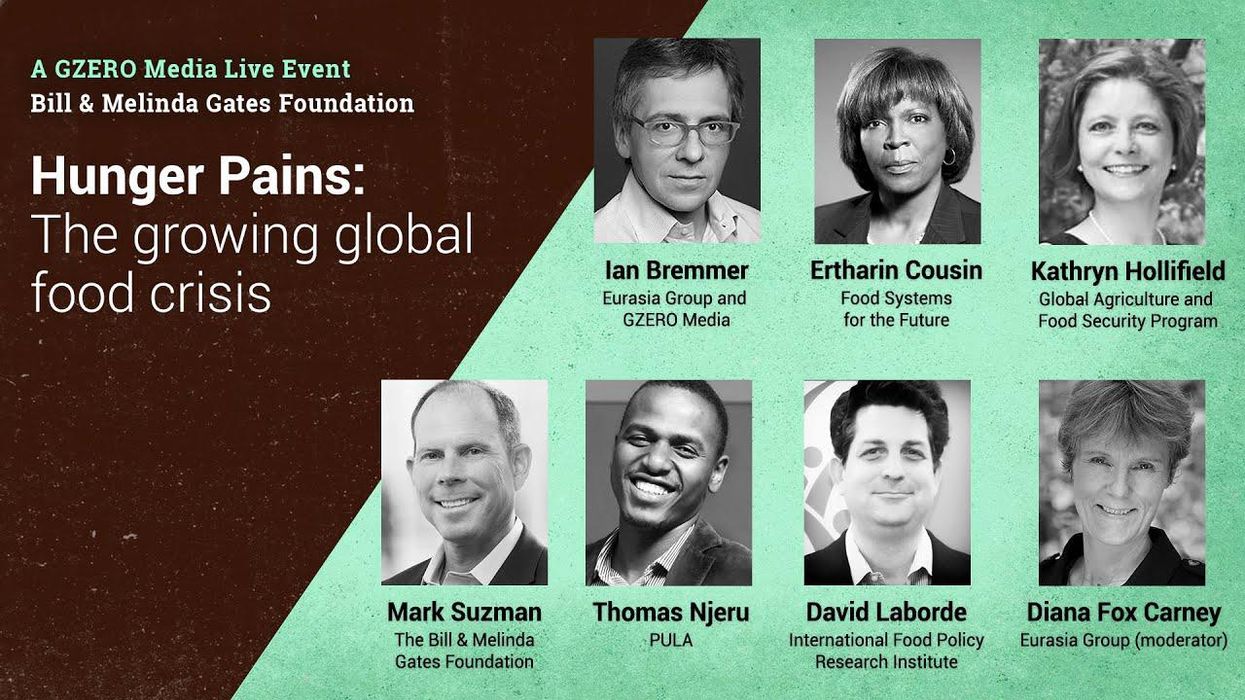
Shortages as a result of Russia's war in Ukraine have aggravated a pre-existing global food crisis that could push a billion people — most of them in the poorest parts of the world — into starvation. It's not just one thing: droughts, COVID-induced supply chain snarls, and high energy prices have all gotten us to this point. And it’ll get worse later on if we don’t find ways to future-proof global food systems. So, what are we gonna do about it? Several experts weighed in during the livestream discussion "Hunger Pains: The growing global food crisis," hosted by GZERO Media in partnership with the Bill & Melinda Gates Foundation.

Can the world learn lessons from vaccine inequity?
GZERO Live

Can the world learn lessons from vaccine inequity?

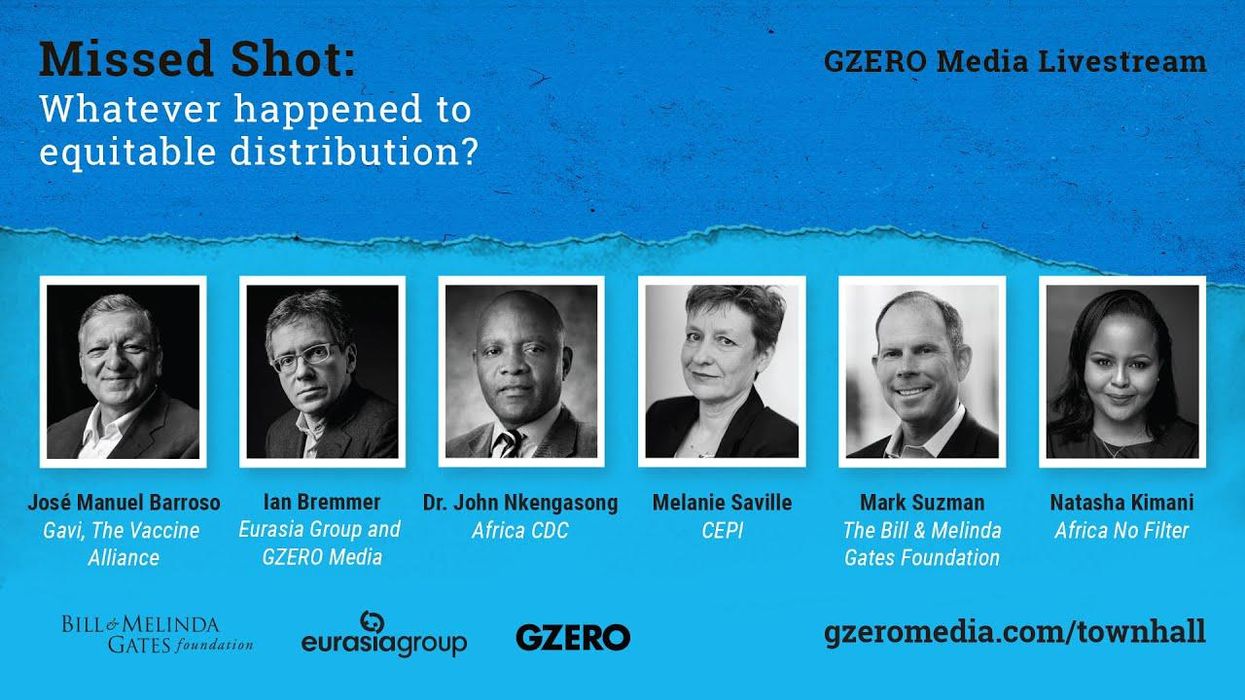
GZERO Media and the Bill & Melinda Gates Foundation convened leading experts in public health, research, development, and philanthropy on Thursday to discuss the uneven state of global recovery from health and economic perspectives.

"Women fell between the cracks" during COVID — former UN Women chief
Science & Tech

"Women fell between the cracks" during COVID — former UN Women chief

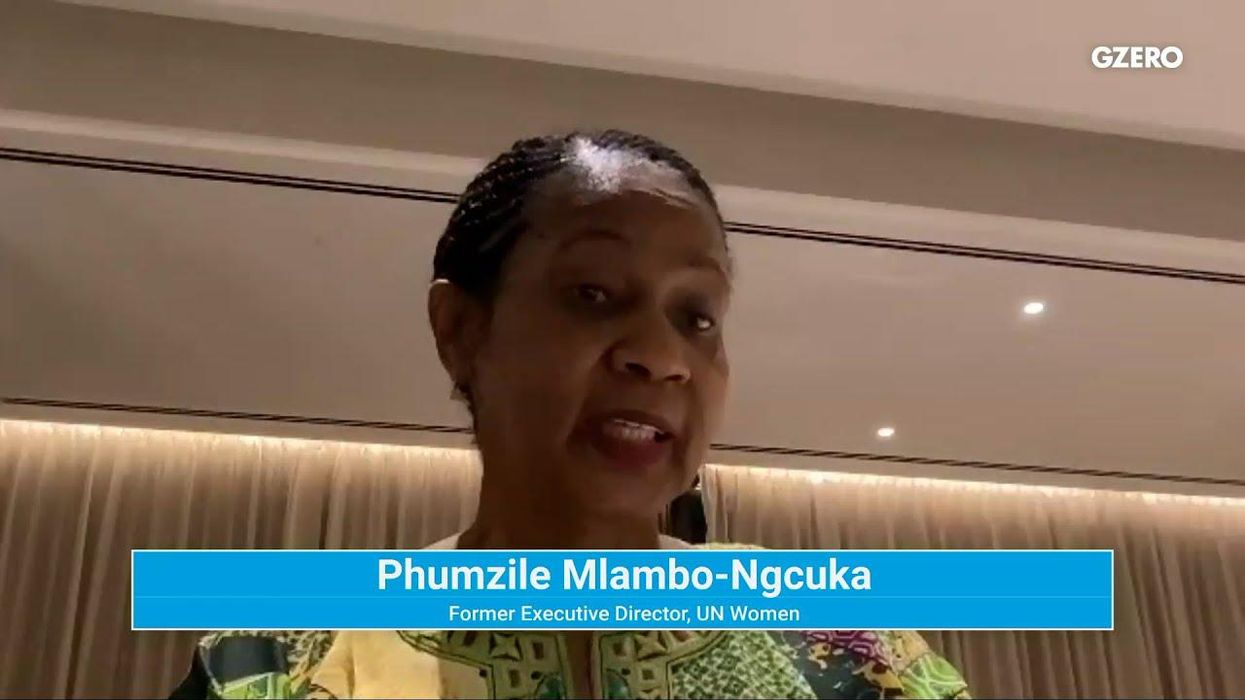
During the pandemic, former UN Women chief Phumzile Mlambo-Ngcuka says many women were "caught up in the crossfire that is not of their own making," accounting for two-thirds of jobs lost due to COVID. What's more, she adds, women forced into the informal job market to make ends meet had a hard time returning to formal jobs once lockdowns ended. And since government incentives didn't target them enough, "women fell between the cracks."

Silver lining from COVID?  Women around the world got access to digital payments
Science & Tech

Silver lining from COVID? Women around the world got access to digital payments

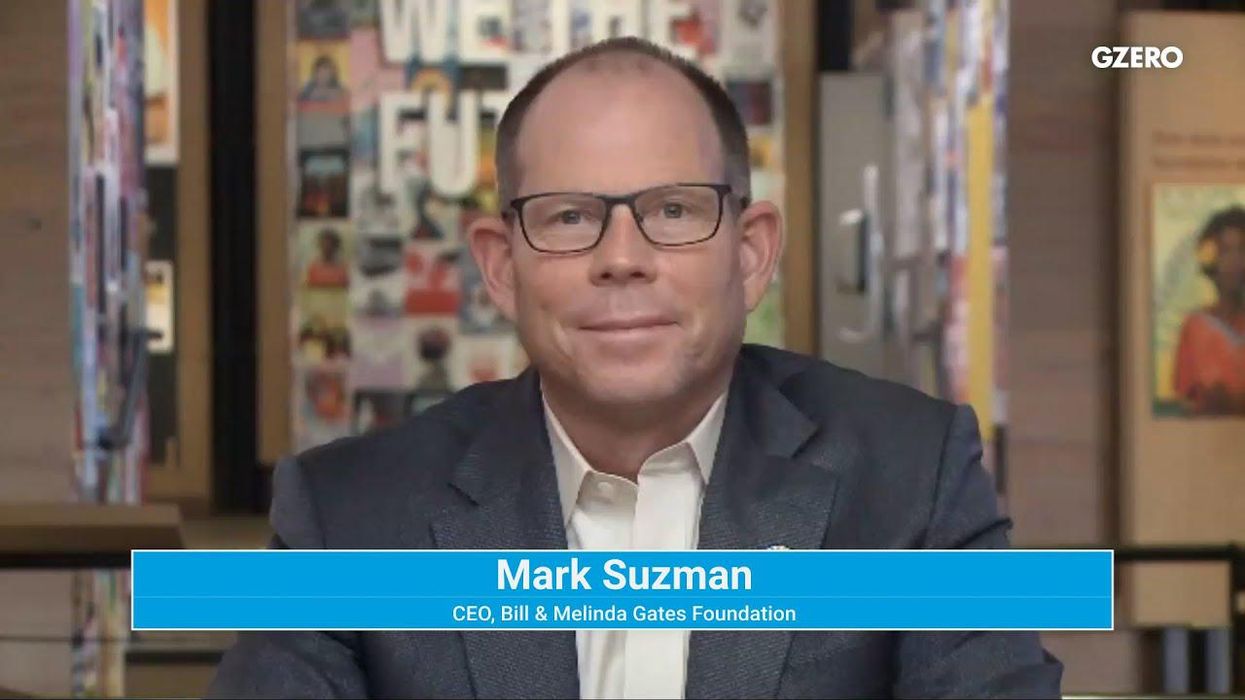
There are few silver linings from the pandemic, but for Bill & Melinda Gates Foundation CEO Mark Suzman, one of them is "a massive expansion of social payments to women across the world." Women traditionally excluded from such systems in countries like Kenya or Pakistan, he says, finally got online — with immense potential to set up businesses for instance in agriculture. These are the "green shoots that we need to collectively build on" so after COVID we get a "faster, more effective, and more equitable recovery for the entire world."

Hope in the aftermath of COVID: Town Hall on vaccines, global cooperation, and equitable recovery
GZERO Live

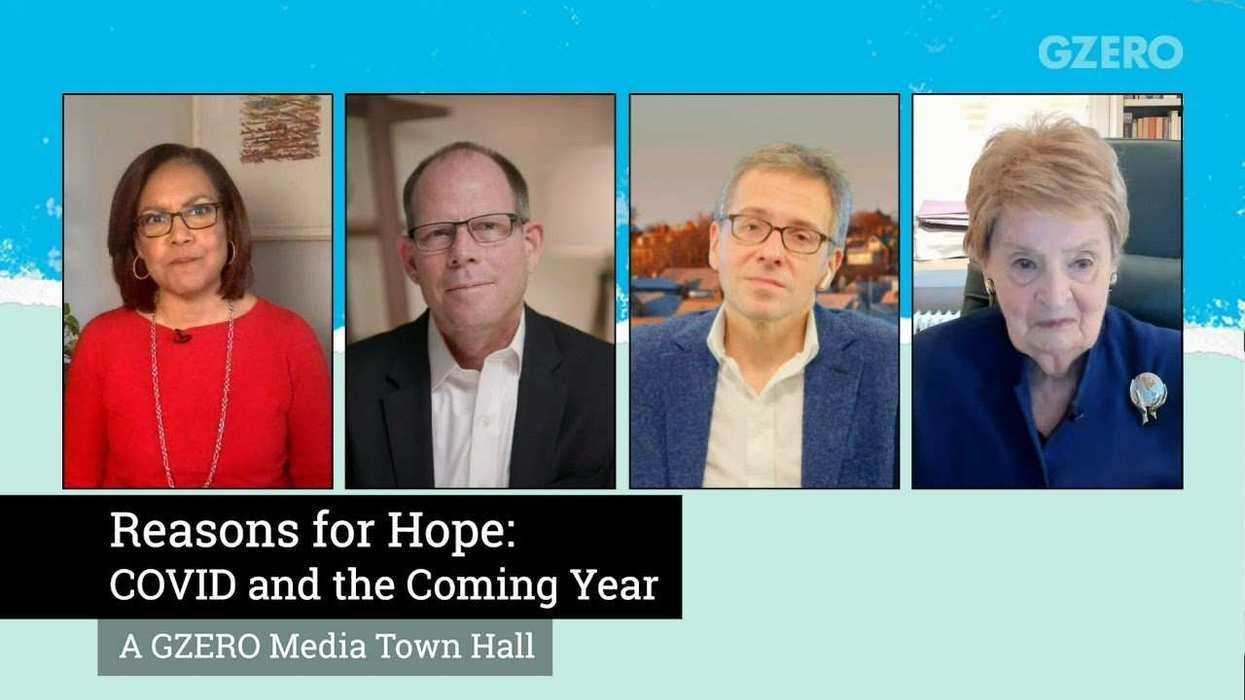
Hope in the aftermath of COVID: Town Hall on vaccines, global cooperation, and equitable recovery

The coronavirus is the biggest crisis of the 21st century. Yet the global response lacked the international coordination that marked other major crises in recent history. Why? Probably because the sheer scale of the public health emergency overwhelmed most countries, including the US, the world's largest economy.

The virtually zero coordination was "astonishing," Eurasia Group President Ian Bremmer said during a special town hall hosted on December 4th by GZERO Media in partnership with the Bill and Melinda Gates Foundation and Eurasia Group, moderated by CNBC health care correspondent Bertha Coombs. Also surpassing, Bremmer added, was the fact that many nations that we expected to do well ended up failing as the pandemic became politicized, they didn't lead with science, and were slow to act.
