Trending Now
We have updated our Privacy Policy and Terms of Use for Eurasia Group and its affiliates, including GZERO Media, to clarify the types of data we collect, how we collect it, how we use data and with whom we share data. By using our website you consent to our Terms and Conditions and Privacy Policy, including the transfer of your personal data to the United States from your country of residence, and our use of cookies described in our Cookie Policy.
{{ subpage.title }}
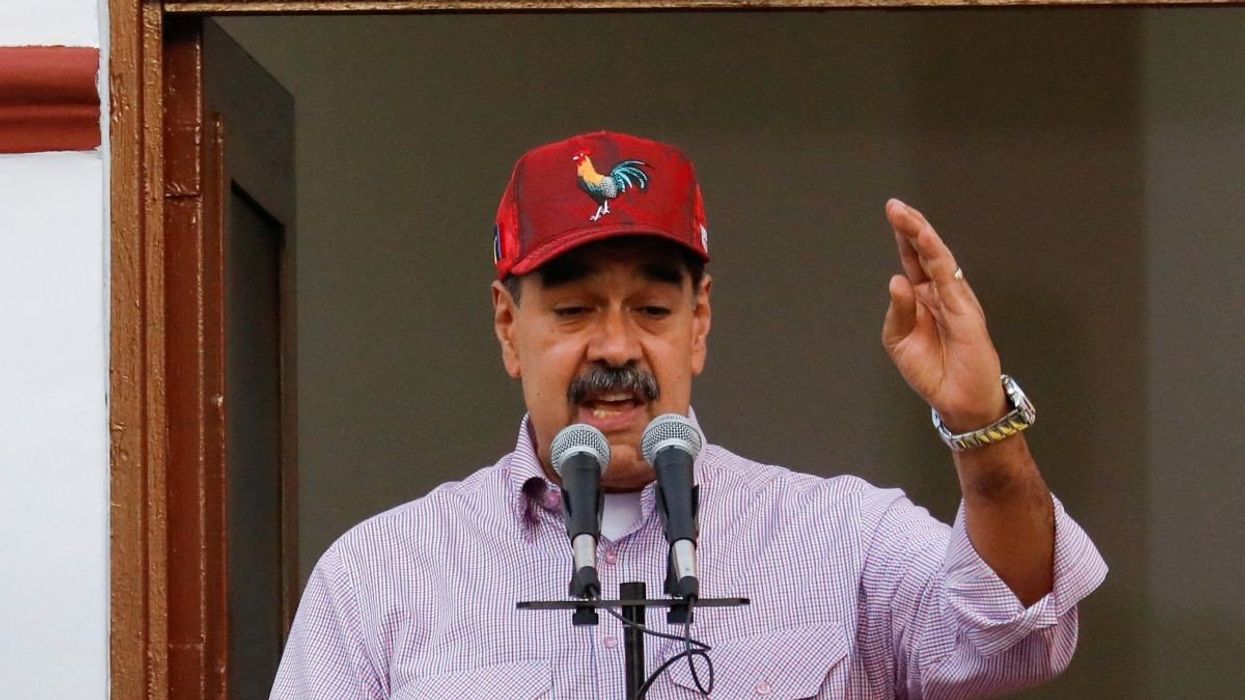
Venezuelan President Nicolas Maduro addresses supporters during a march marking the first anniversary of his victory in the disputed July 28 presidential election, in Caracas, Venezuela July 28, 2025.
Hard Numbers: US doubles Maduro’s bounty, Trump appoints new Fed member, Modi and Lula combine forces, & more
$50 million: The US doubled its bounty to $50 million for Venezuelan President Nicolás Maduro’s arrest. The reward is linked to a 2020 case at the US Department of Justice that accused Maduro and other Venezuelan officials of narco-terrorism, corruption, and drug trafficking. Venezuela has dismissed the move as “political propaganda.”
7: US President Donald Trump will nominate Stephen Miran, a tariff advocate and critic of current Fed chair Jay Powell, to temporarily join the seven-member Federal Reserve board, a move analysts say could be positioning Miran to take over for Powell once his term is up in February of 2026. Miran is known for supporting the goal of structurally weakening the US dollar – more on that here.
50: Indian Prime Minister Narendra Modi and Brazilian President Luiz Inácio Lula da Silva hopped on a call to discuss a unified response to Trump’s tariffs, which currently stand at 50% against Brazil and 25% against India. The call comes the day after Lula announced he would try to rally BRICS countries to push back on the US leader’s trade policy.
8: Check m8. OpenAI’s model beat Elon Musk’s Grok, and Google’s Gemini model came after a three day chess tournament this week. The competition took place between eight AI companies' normal AI products – rather than models designed for chess – testing their reasoning skills at a task they are still improving at.
