Trending Now
We have updated our Privacy Policy and Terms of Use for Eurasia Group and its affiliates, including GZERO Media, to clarify the types of data we collect, how we collect it, how we use data and with whom we share data. By using our website you consent to our Terms and Conditions and Privacy Policy, including the transfer of your personal data to the United States from your country of residence, and our use of cookies described in our Cookie Policy.
{{ subpage.title }}
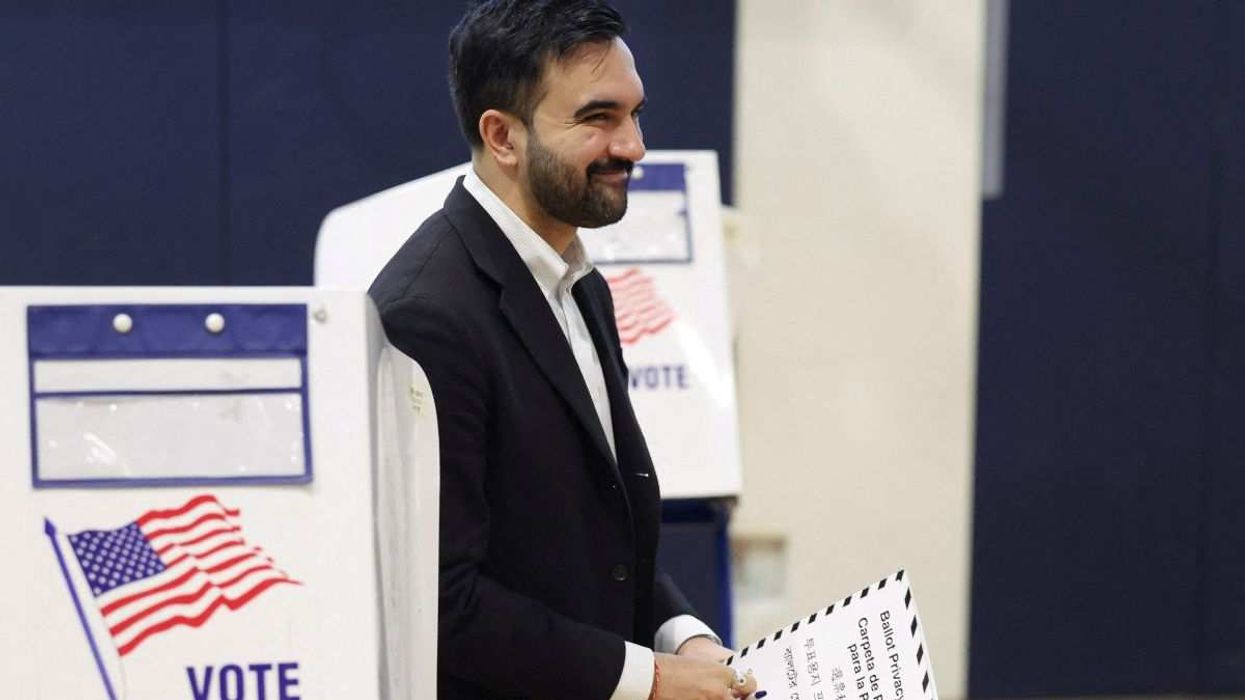
Democratic candidate for New York City mayor, Zohran Mamdani, votes in the New York City mayoral election at a polling site at the Frank Sinatra School of the Arts High School in Astoria, Queens borough of New York City, USA, on November 4, 2025.
What We’re Watching: Some Americans head to the polls, German U-turn on Syrian asylum policy, Russia may have to find new oil buyers
It’s Election Day in the United States
It’s the first Tuesday after Nov. 1, which means it’s US election day. Key ballots to watch include the mayoral race in New York City – where democratic socialist Zohran Mamdani is poised to pull off an upset that will echo into national level politics – as well as state Supreme Court races in Pennsylvania, and ballot initiatives on gerrymandering in California. Don’t forget about the New Jersey governor election either, where GOP nominee Jack Ciattarelli is looking to eke out a victory against Democratic nominee Mikie Sherrill. New Jersey was once reliably blue but has been getting more purple in recent years: in 2020 Joe Biden won it by 17 points, but Donald Trump lost by just four last year.
Germany to end asylum for Syrians
German Chancellor Friedrich Merz says Syrians no longer have grounds for political asylum in his country now that the Syrian civil war is over. Merz called for a repatriation program to ease burdens on Germany and accelerate the rebuilding of Syria, though the United Nations warns Syria still isn’t ready to absorb a large population of returnees. It was exactly ten years ago that Chancellor Angela Merkel declared “Wir schaffen das” (we can do it), establishing a generous asylum policy that welcomed in more than a million Syrians fleeing their country’s horrific civil war. A decade later, with the war over and the far right surging on anti-immigrant backlash, Merz is now saying, “Wir schaffen das nicht.”
Is India buying less Russian oil?
Last month, Trump announced sanctions on Russia’s top two oil companies, in a bid to squeeze the Kremlin’s war effort by scaring off major crude buyers like India and China. Is it working? Preliminary data show India’s imports of Russian oil actually increased slightly in October compared to September. But wait, there’s more: India’s purchases in the second half of October plummeted compared to the first half. That may have something to do with the fact that Trump announced the sanctions on Oct. 23. They don’t take effect until later this month, so we’ll be watching to see what the November data tell us. With Chinese firms now also reportedly exploring alternative sources of oil, Russia may in fact start feeling the effects of US sanctions (for more on this, and whether it would change his approach to Ukraine, read here).
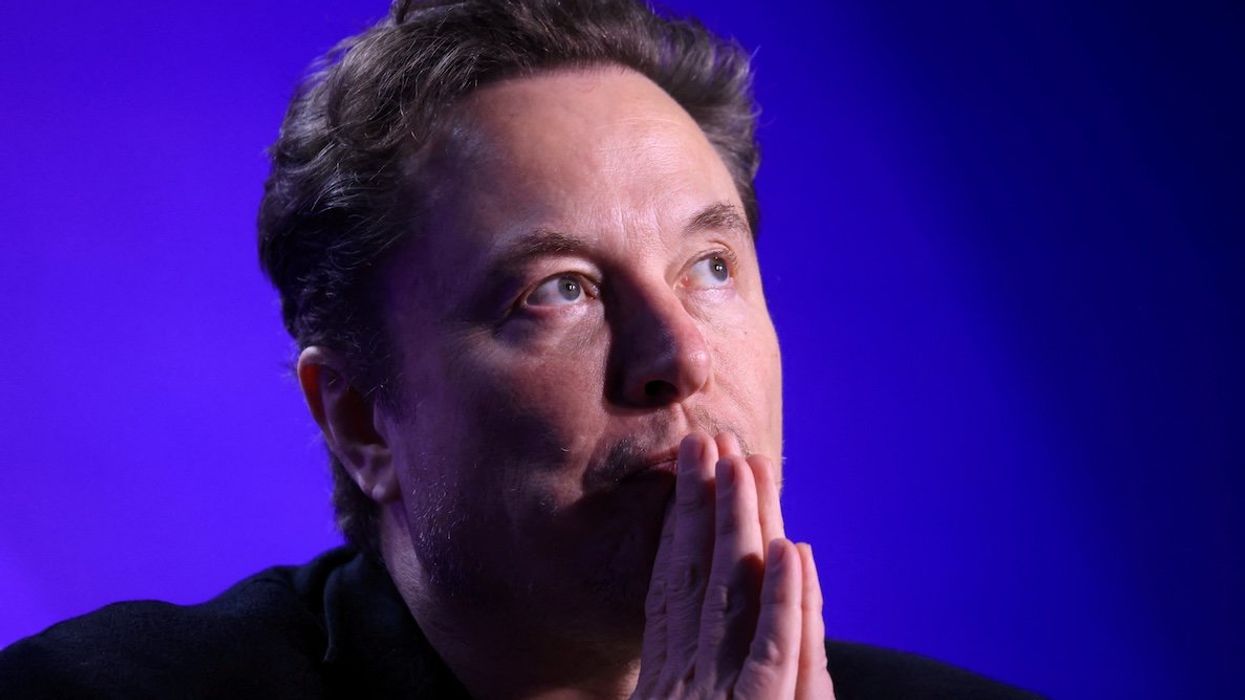
Elon Musk, CEO of SpaceX, Tesla, and owner of X, looks on during the Milken Conference 2024 Global Conference Sessions at The Beverly Hilton in Beverly Hills, California, on May 6, 2024.
Hard Numbers: Tesla’s Grok infusion, New Jersey wants AI jobs, Visa’s fraud-busting, In-Cohere-nt strategy
5 billion: Elon Musk wants the Tesla board of directors to invest $5 billion in xAI, his artificial intelligence startup that built the Grok chatbot. Tesla’s self-driving ambitions depend on artificial intelligence, but this move also represents Musk’s ambition to further intermingle his many businesses. Grok lives entirely within X, formerly Twitter, and is available to paying subscribers.
500 million: The Garden State is making a half-billion dollar bet to become a hub for AI. New Jersey Gov. Phil Murphy signed a law on June 25 that allocates $500 million in tax credits for artificial intelligence companies and data centers willing to come to the state. It’s part of Murphy’s ongoing “AI Moonshot” to bring more AI jobs to the state.
40 billion: Visa says that artificial intelligence and machine learning helped it double its fraud detection in a year. Between October 2022 and September 2023, the payments company prevented $40 billion in fraud, double what they prevented the year prior. While AI can certainly help fraudsters trick people into handing over their credit card details or other sensitive information, it can also help financial services companies monitor and prevent irregular activity.
500 million: The AI startup Cohere, which makes enterprise AI tools, raised $500 million last week based on a $5.5 billion valuation. But the next day, it laid off 20 employees — about 5% of the company. The company called the decision “necessary” to ensure it remains “highly competitive and at the forefront of the industry.”
