Hard Numbers

Hard Numbers: Child deaths projected to tragically rise, Critical minerals projects risk displacement, Vatican rejects idea of female clergy, Soccer World Cup draw takes place tomorrow

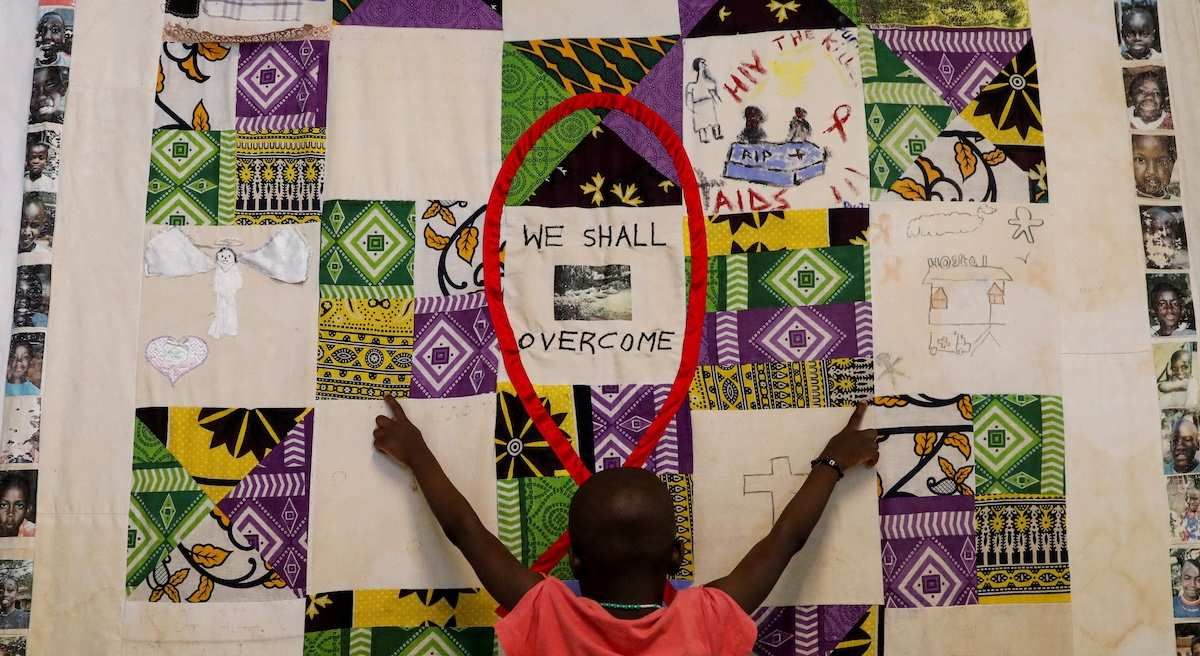
A child plays at an advocacy wall after receiving a dose of antiretroviral ARV drugs used to prevent HIV from replicating, at the Nyumbani Children's Home, which cares for more than 100 children with HIV.
REUTERS/Thomas Mukoya

4.8 million: Child deaths are set to rise for the first time this millennium, with 4.8 million children under five projected to die this year amid sharp drops in foreign aid. Global health spending is down 25% as major donors scale back disease programs, while vaccine skepticism is driving declines in immunization.

6,500: Up to 6,500 people in Kolwezi, in the Democratic Republic of the Congo, risk displacement from the EU- and US-backed Lobito Corridor, a major rail and infrastructure project meant to speed exports of critical minerals.

7-1: The Vatican Commission voted 7-1 on Thursday against allowing women to serve as deacons, arguing that historical research and theological investigation precludes women from becoming deacons. Advocates for change argued otherwise, noting that women had served in the clergy – Paul the Apostle referenced a deacon called “Phoebe” in one of his letters.

48: The draw for next year’s soccer World Cup will take place tomorrow at the Kennedy Center in Washington, D.C., a ceremony that will determine which countries in the 48-team tournament will face each other in the opening round – known as the group stage. Six of the 48 World Cup spots remain up for grabs, in what will be the largest-ever iteration of this global tournament.
More For You

- YouTube

In this episode of GZERO Europe, Carl Bildt reflects on how Russia's war in Ukraine has lasted longer than World War I and the role an underachieving military campaign and international politics have played in putting pressure on Putin.

European Central Bank (ECB) President Christine Lagarde speaks to reporters following the Governing Council's meeting, in Frankfurt, Germany June 11, 2026.
REUTERS/Heiko Becker

The ECB raised interest rates for the first time since 2023, becoming the first G7 central bank to act against inflation driven by the war in Iran. With the Bank of Japan poised to follow suit, pressure mounts on the US Federal Reserve to respond.