News
Hard Numbers: India cuts gas tax, Tigrayan amnesty, US gets European baby formula, NATO beer
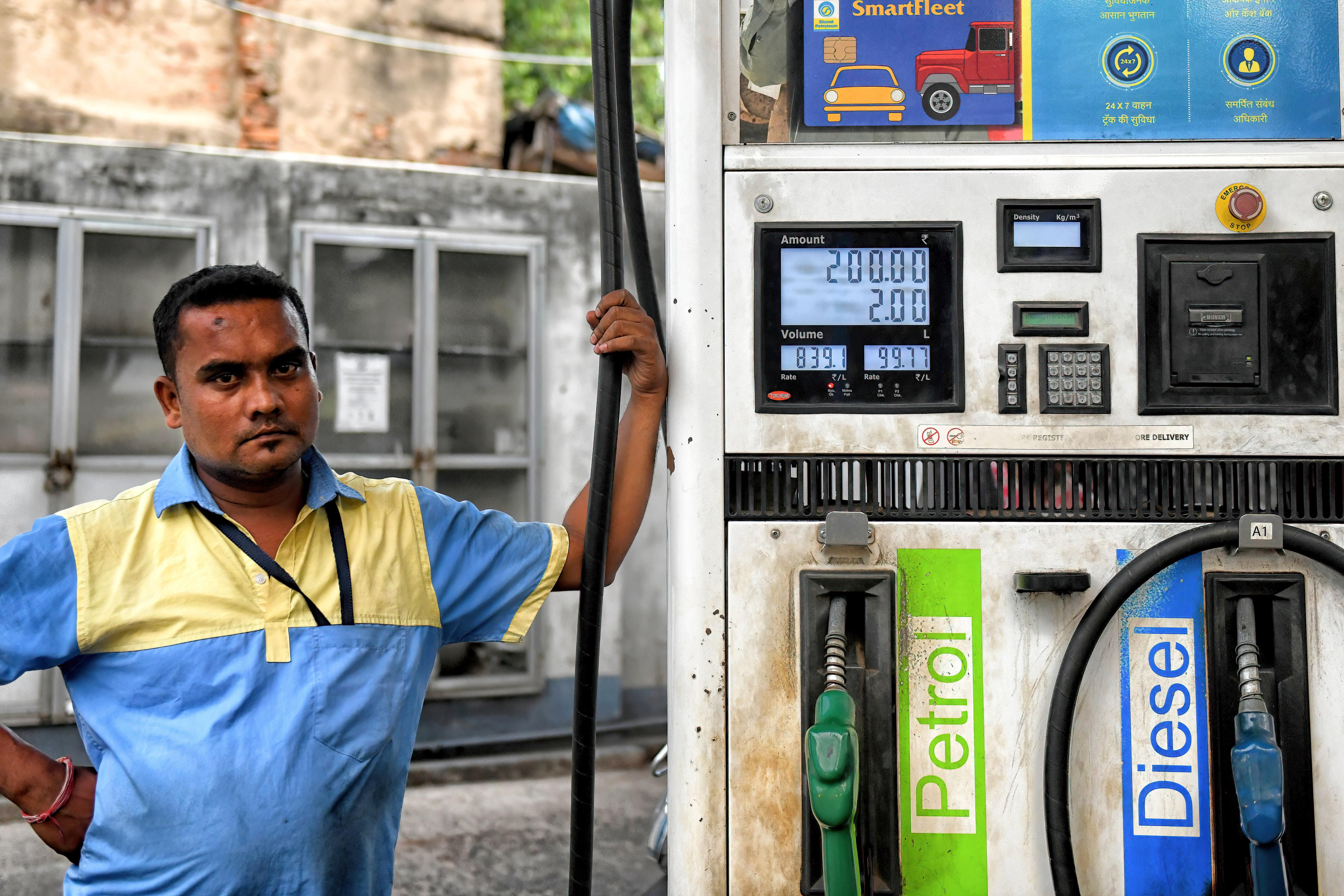
Gas station worker in Kolkata, India.
Avishek Das / SOPA Images/Sipa U via Reuters Connect
8: India has slashed its excise tax on gasoline by 8 rupees ($0.10) per liter to give consumers some relief from rising prices. PM Narendra Modi is scrambling to get inflation under control ahead of several state elections later this year.
4,208: Tigrayan rebels in Ethiopia plan to release 4,208 prisoners captured in their ongoing war with the federal government. It's a sign of goodwill that comes after the Ethiopian army allowed aid convoys to enter the conflict-affected region.
78,000: On Sunday, a military plane carrying 78,000 pounds of European baby formula arrived in the US to address an acute shortage. America is running out of formula due to the temporary closure of a production plant in Michigan and also because of protectionist US trade policies.
8,000: Finland is so excited about joining NATO that a Finnish brewery has launched a NATO-themed beer, shipping 8,000 cans to local supermarkets. Will Turkey spoil the party?This comes to you from the Signal newsletter team of GZERO Media. Subscribe for your free daily Signal today.
South Sudan is accusing neighboring Sudan of launching a drone strike that killed at least 73 people at a market in Abyei, a disputed, oil-rich region of roughly 4,000 square miles claimed by both countries.
In this Quick Take, Ian Bremmer says President Donald Trump's approach to the war in Ukraine is putting more pressure on President Volodymyr Zelensky and raising concerns among European allies about the future of NATO.
Ongoing student protests in France descended into looting and riots over the weekend as more than half a million people took to the streets across the country.
After his father was killed in a plane crash in 2023, Pavel was tapped to lead Wagner.