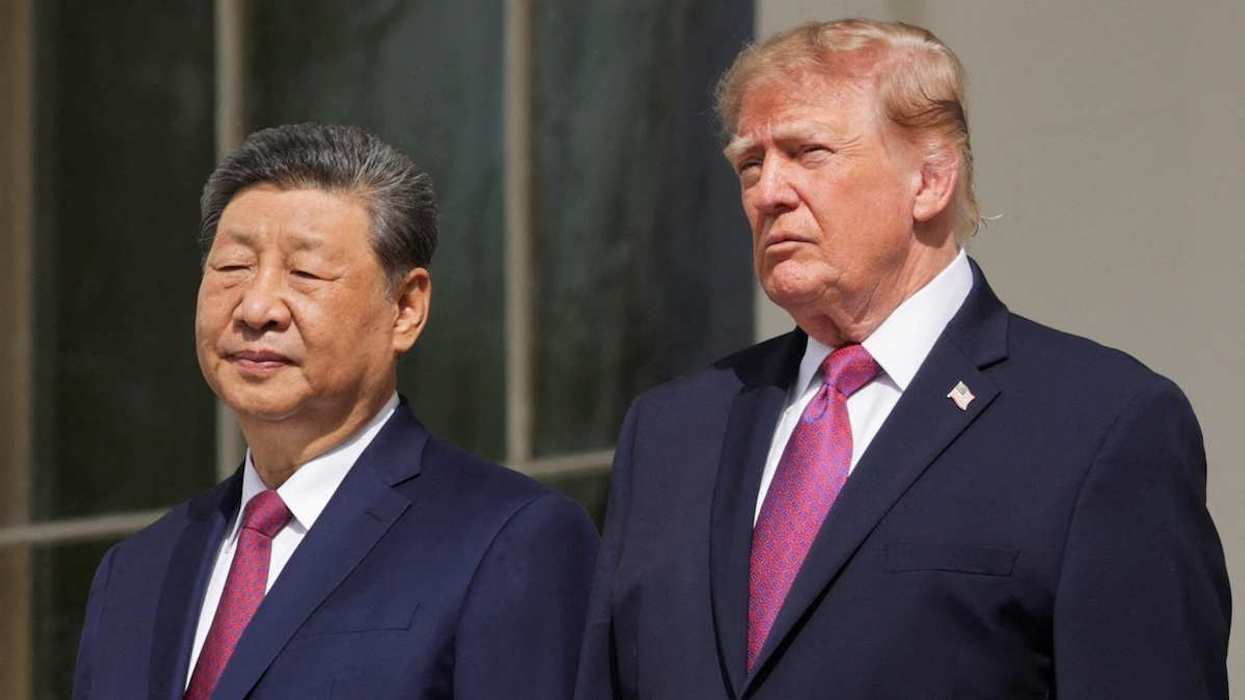
Diplomacy is ongoing, but not fast enough. Pakistan and Egypt are working around the clock to help broker a deal — or at least secure more time. Trump has said that he needs clear signs that Iran is ready to accept his terms, which have ranged from reopening the Strait of Hormuz to ending its nuclear program. Tehran, though, hasn’t signaled that it’s willing to accept these from Trump at all. In fact, tensions appear to be worsening: Iran reportedly severed communications with the US after Trump’s social media post threatening to annihilate the country.
The risks are significant. If the US launches a wide-scale attack on Iran’s bridges and power plants, it is likely to retaliate against US troops in the Persian Gulf and Israel, as well as strike Gulf allies’ civilian and energy infrastructure. And since the war in Iran is broadly unpopular in the US, an off-ramp from fighting that doesn’t include a deal that Trump can present as a win to the American public will make the economic costs hard to justify.
The key variable is Trump. The US president is reportedly extremely hawkish on Iran right now – even more so than others in his administration. Meanwhile, allies like the United Arab Emirates, Saudi Arabia, and Israel are urging him not to press pause unless Iran makes major concessions.
That leaves a narrow window. Trump could still opt for diplomacy in hopes of a future deal — but absent concessions from Iran, escalation may be on the horizon tonight.