July 26, 2026
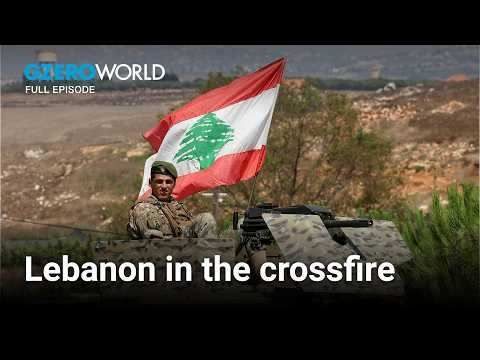
Lebanon is once again caught in the crossfire of a wider Middle East war. Israeli attacks have devastated the country’s south, leaving thousands dead and forcing more than a million people from their homes. A fragile ceasefire has slowed the fighting, but lasting peace depends on resolving a question that has haunted Lebanon for decades: What happens to Hezbollah?
On GZERO World, Ian Bremmer speaks with Lebanese-born journalist and Middle East expert Kim Ghattas about whether the weakened Iranian-backed group can be disarmed without plunging Lebanon into civil war. Ghattas argues that a military confrontation between Hezbollah and the Lebanese Army would be disastrous. Instead, Lebanon’s government must constrain the group, demonstrate that diplomacy can deliver tangible results, and persuade the Lebanese people that the state—not an armed “state within a state”—can protect them.
But Lebanon has little leverage. Israel has yet to fully withdraw and may seek to maintain a buffer zone across southern Lebanon, while Iran still views Hezbollah as a critical source of regional influence. Can Lebanon reclaim its sovereignty without another war—and can diplomacy succeed if Hezbollah is not directly involved in the negotiations?
“I lived through 15 years of civil war in Lebanon as a child, and this is my fifth Israeli military campaign against Lebanon as well,” Ghattas says. “That’s a lot of war. And I can sit here and despair about the state of affairs, but I’m looking for the slivers of light, the slivers of opportunity.”
More For You
Can Washington turn military pressure into a diplomatic strategy? Brett McGurk joins Ian Bremmer on the GZERO World podcast to discuss the Iran war, Houthi attacks, and how elections in Israel and the US could reshape the region.
Most Popular
Think you know what's going on around the world? Here's your chance to prove it.
Turkish President Recep Tayyip Erdogan receives Canadian Prime Minister Mark Carney with an official ceremony in Ankara, Turkiye on October 22, 2026.
Anadolu via Reuters Connect
Canadian Prime Minister Mark Carney is in Turkey on Thursday for talks with President Recep Tayyip Erdogan - the visit is the first by a Canadian prime minister.
© 2025 GZERO Media. All Rights Reserved | A Eurasia Group media company.