GZERO World with Ian Bremmer
Why social media is broken & how to fix it
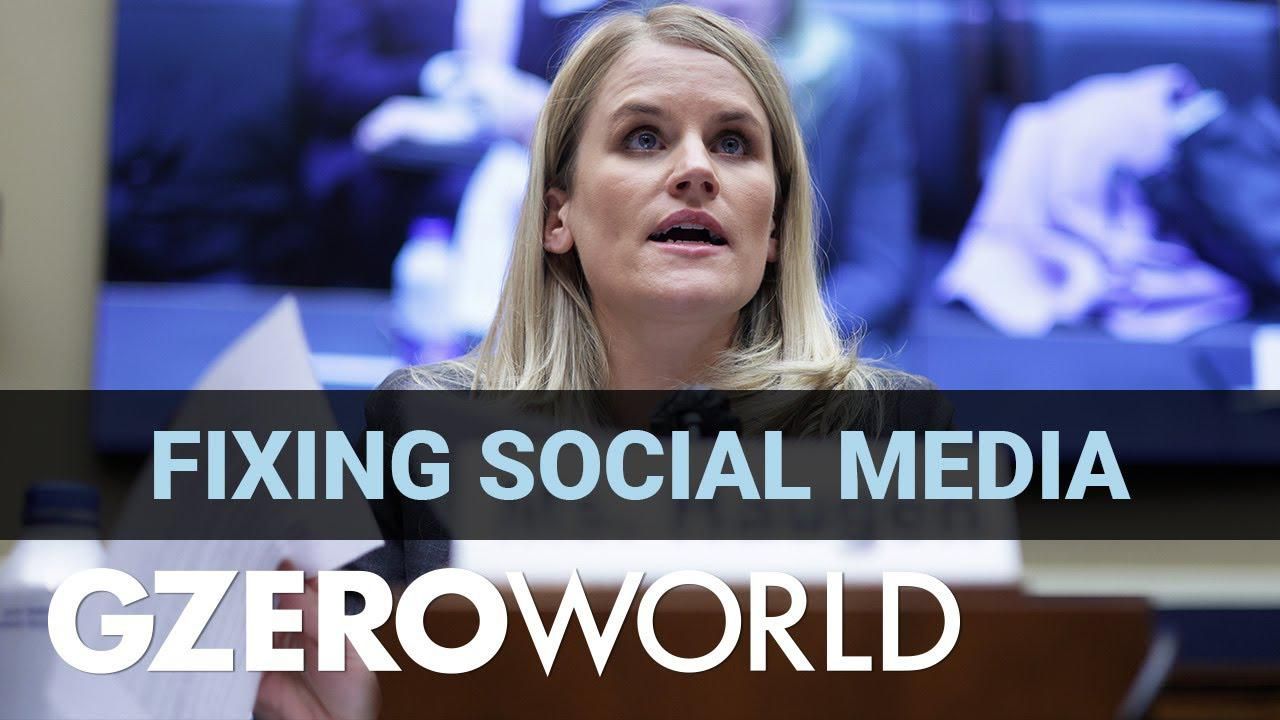
Why Social Media Is Broken & How to Fix It | Frances Haugen | GZERO World with Ian Bremmer
Social media companies play an outsize role in global politics — from the US to Myanmar. And when they fail, their actions can cost lives.
That's why Frances Haugen blew the whistle against her then-employer, Facebook, when she felt the company hadn't done enough to stop an outrage-driven algorithm from spreading misinformation, hate, and even offline violence.
On GZERO World, Haugen tells Ian Bremmer why governments need to rethink how they regulate social media. A good example is the EU, whose new law mandating data transparency could have global ripple effects.
Haugen also explains why those annoying messages about sharing your cookies are actually a good thing, and why she still believes social media companies can change for the better.
Finally, don't miss her take on Elon Musk having second thoughts about Twitter.
China has defied Western sanctions for years and buys as much as 90% of Iran’s oil exports.
Think you know what's going on around the world? Here's your chance to prove it.
President Bola Tinubu faces strong headwinds in his bid for a second term.
Critics have said that Zelensky – now in his seventh year in office – has been in power for too long.