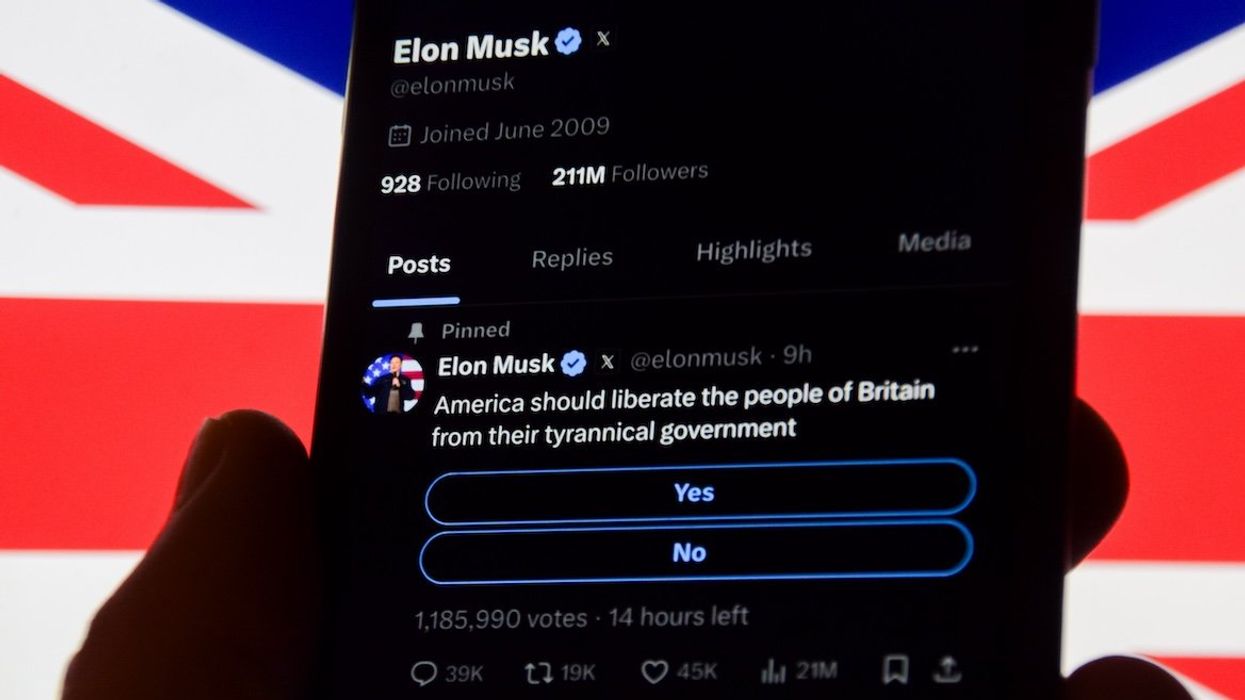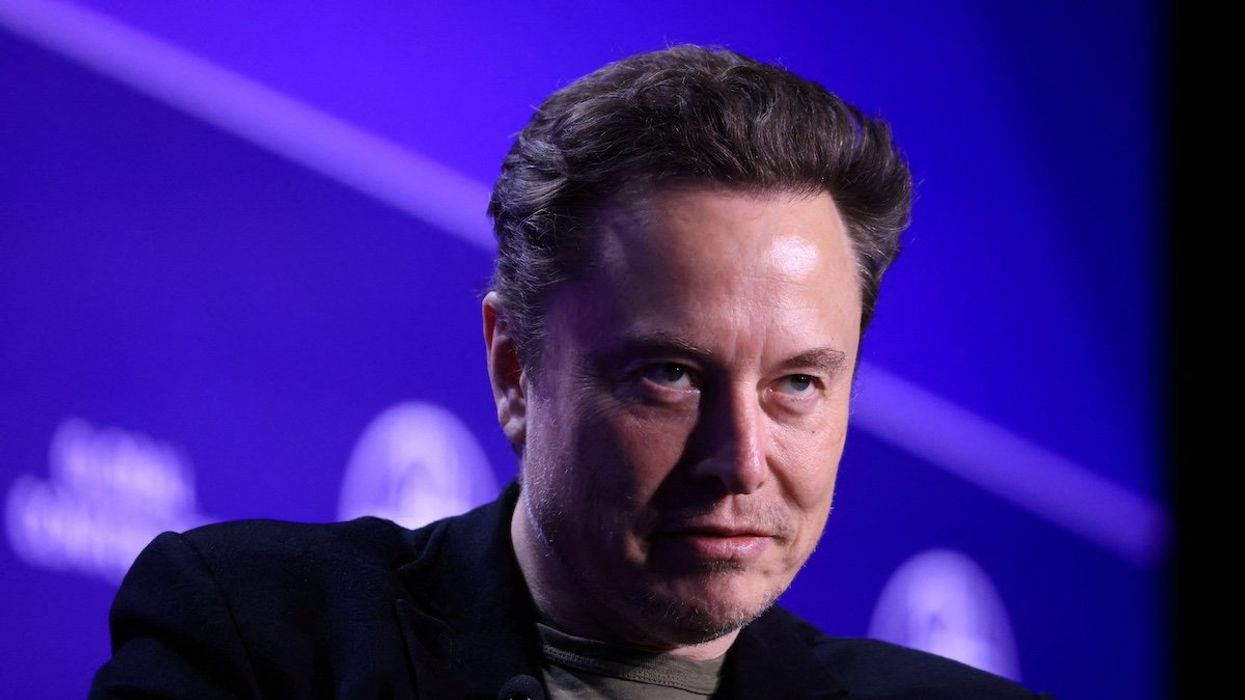
Musk has written a number of recent social media posts to show his support of far-right populists in Europe and to attack politicians on the left. Now, European leaders believe, is the time to brush him back.
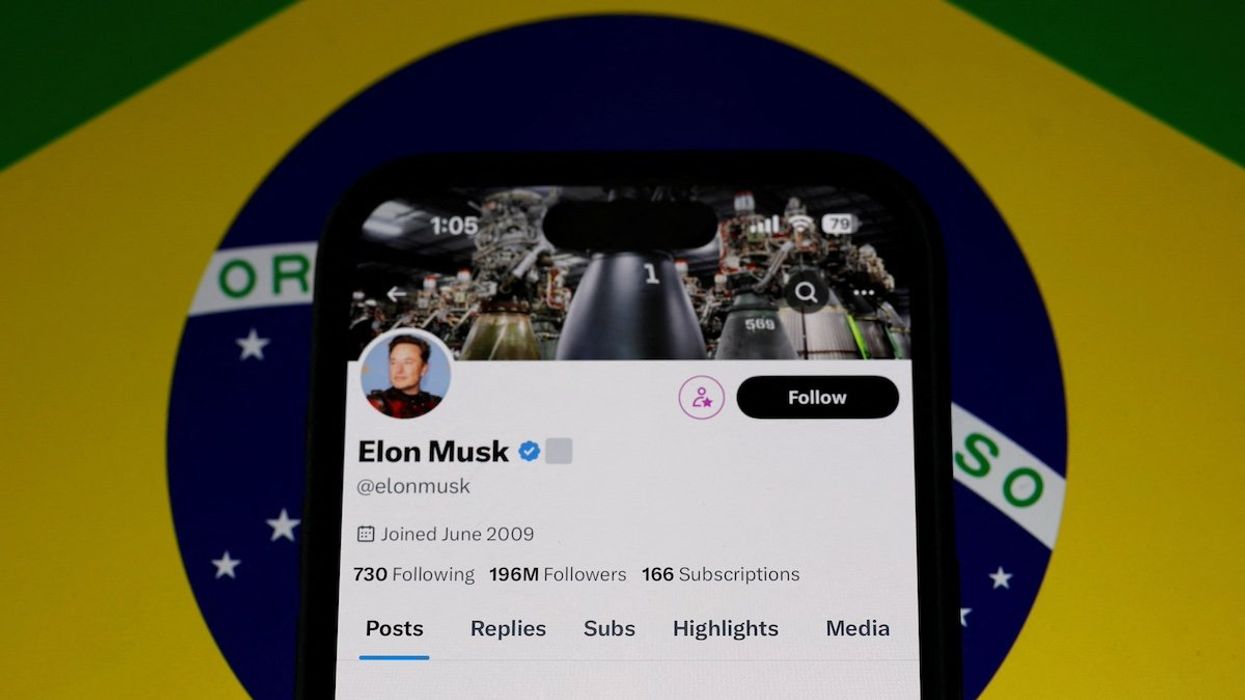
Telegram now says it will share information with law enforcement “in response to valid legal requests," an about-face that came just days after self-styled “free speech” crusader Elon Musk climbed down in his battle with Brazil.
Ian Bremmer's Quick Take: The Twitter/X ban in Brazil has presented an opportunity for the conservatives, including former President Bolsonaro, to use this and the opposition to freedom of speech as a rallying call. And that was what we saw in these demonstrations over the weekend. About 50,000 total on Brazil's Independence Day in Sao Paulo attending the rally. It was significant because it shows that the defense of liberty and democracy is a rallying cry of the opposition in the next presidential election that's coming up in 2026, which is not so far away.
The battle between Brazil and Elon Musk has now reached the stars — or the Starlink, at least — as the billionaire’s satellite internet provider refuses orders from Brazil’s telecom regulator to cut access to X.
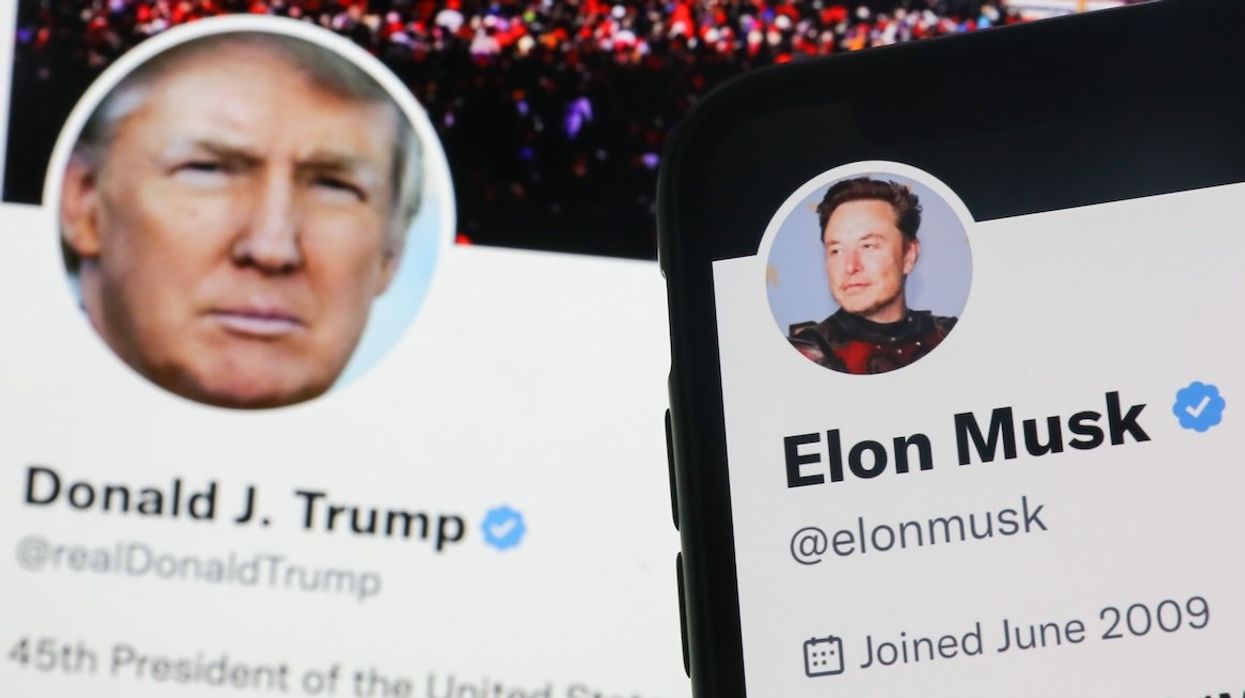
It was billed as the “biggest interview in history,” but for the first 40 minutes, Donald Trump’s X Space with Elon Musk was one of the biggest failures imaginable.
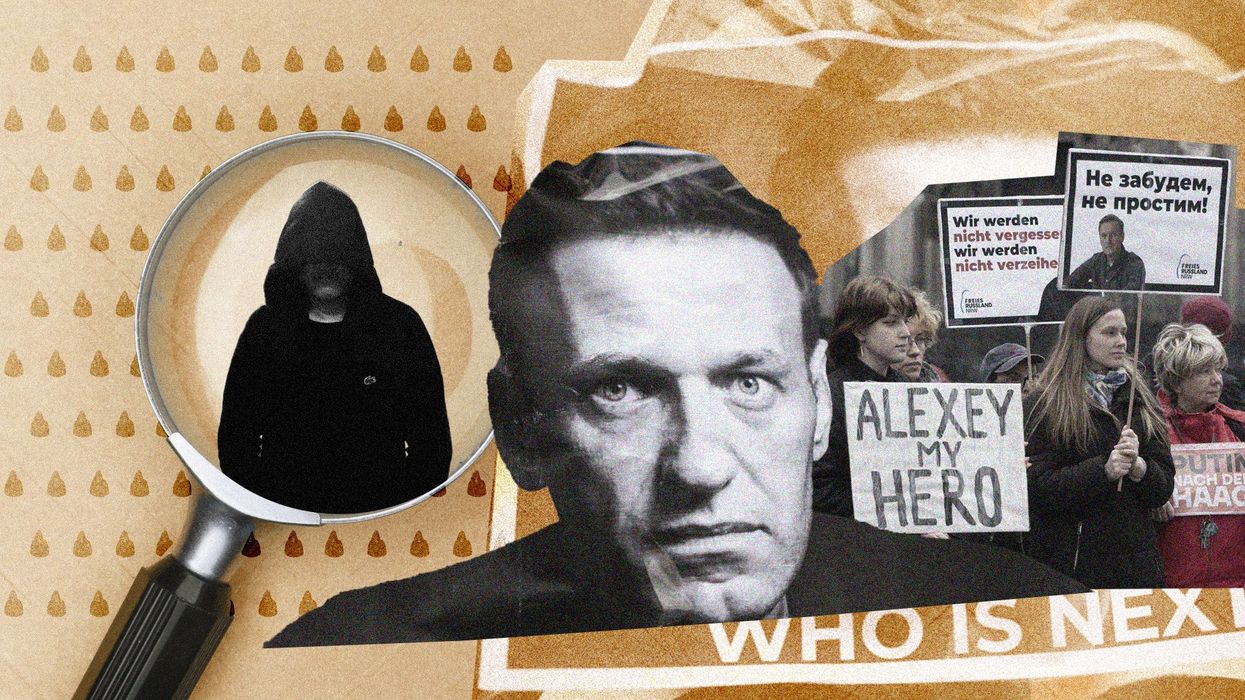
In an exclusive investigation into online disinformation surrounding online reaction to Alexei Navalny's death, GZERO asks whether it is possible to track the birth of a bot army. Was Navalny's tragic death accompanied by a massive online propaganda campaign? We investigated, with the help of a company called Cyabra.
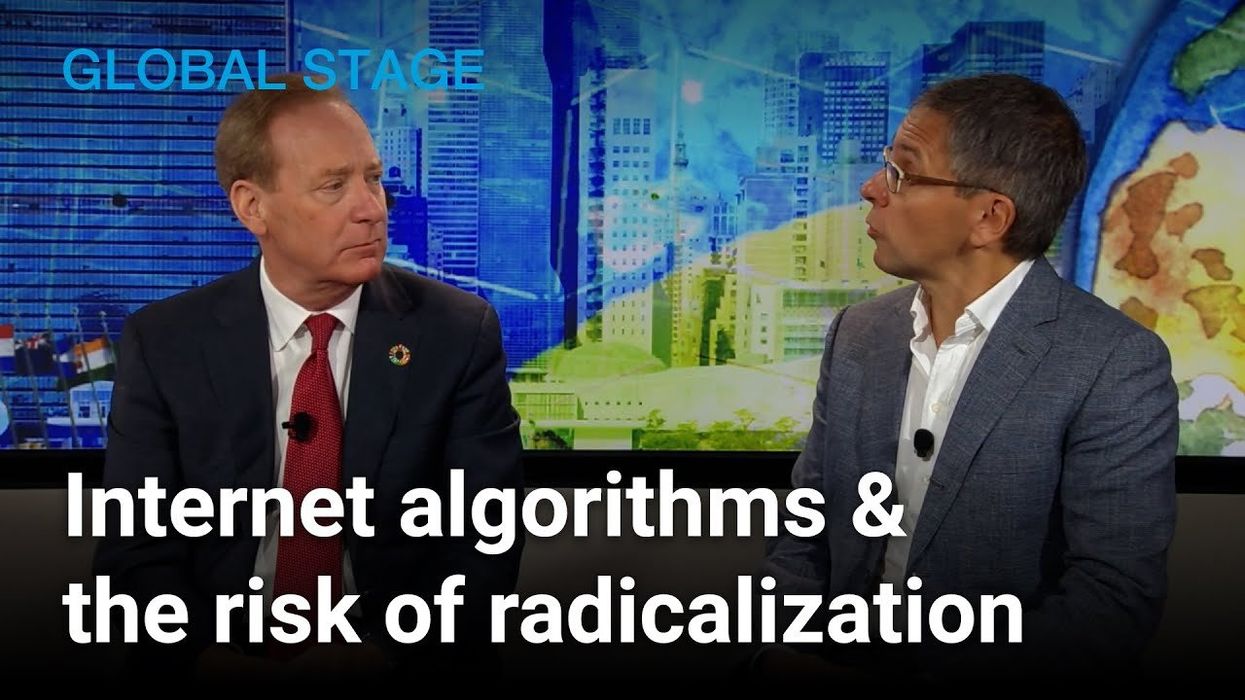
Everyone is a product of their environment. But where once the influences on young people were largely shaped by their physical community, algorithmic content online has opened a new and dangerous pathway to radicalization and violence, says Eurasia Group President Ian Bremmer in a recent Global Stage livestream, from the sidelines of the 78th UN General Assembly.
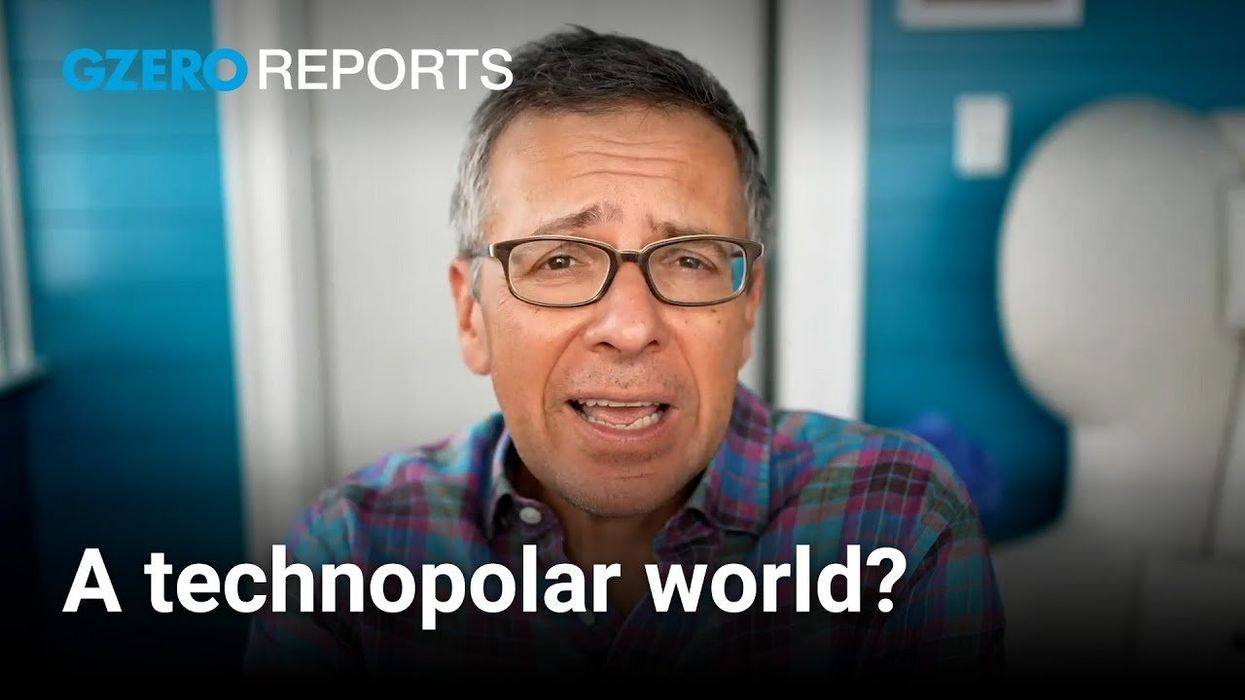
Ian Bremmer introduces the concept of a technopolar world––one where technology companies wield unprecedented influence on the global stage, where sovereignty and influence is determined not by physical territory or military might, but control over data, servers, and, crucially, algorithms.